
Last updated November 24, 2026
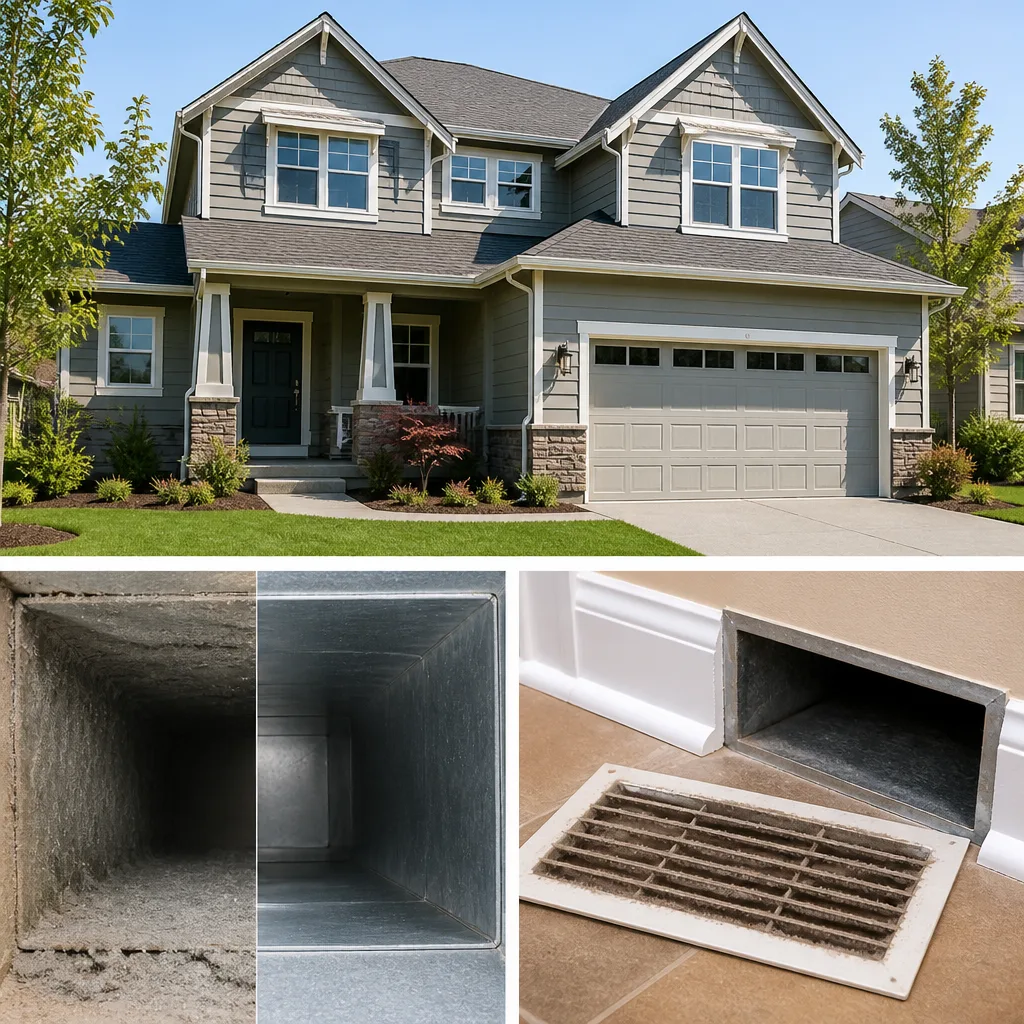 Whole-home duct cleaning
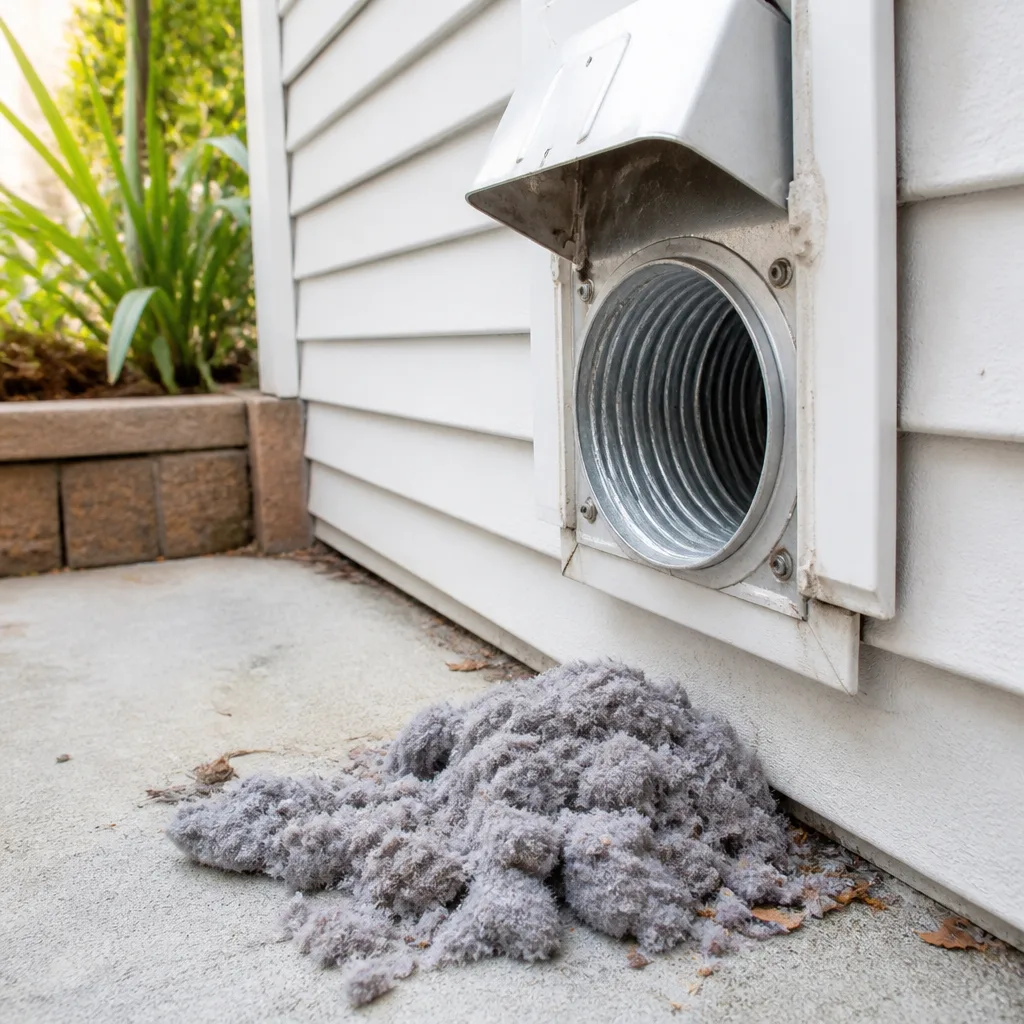 Dryer vent cleaning
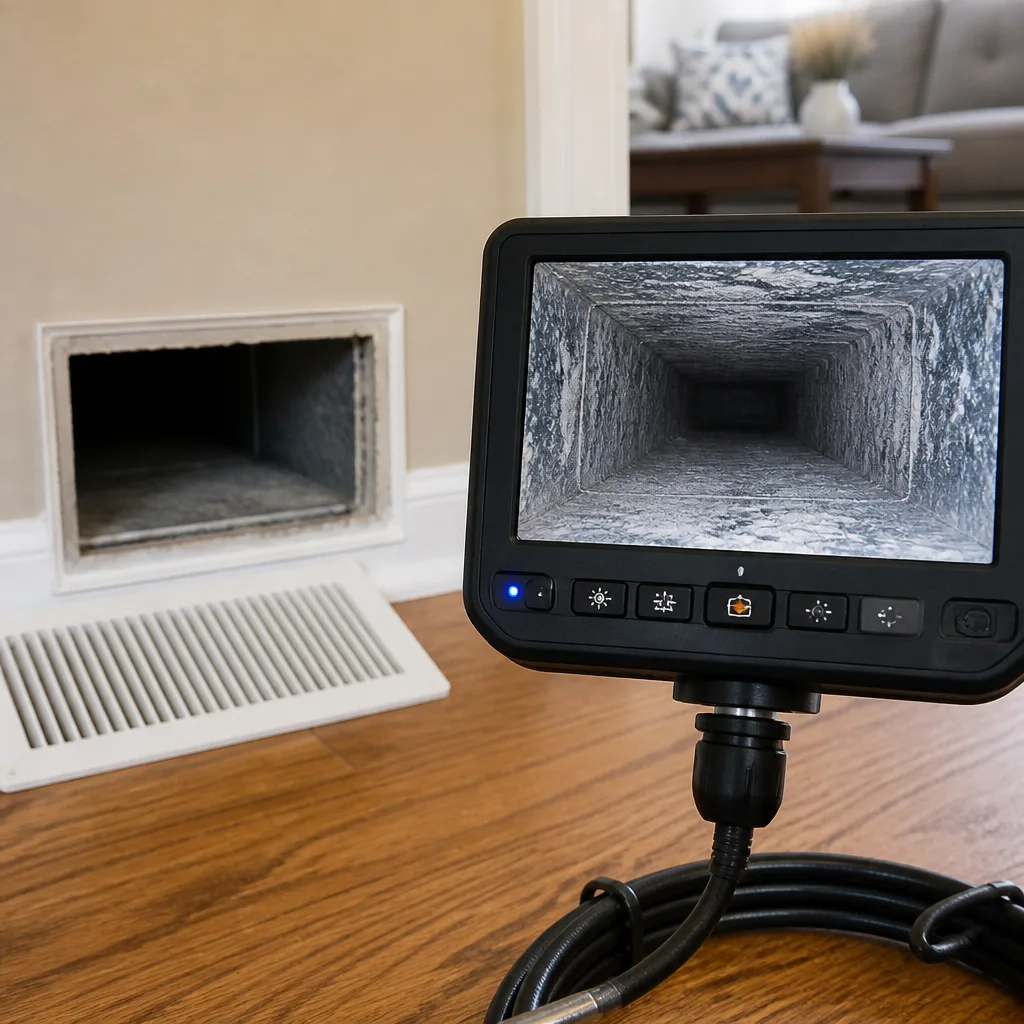 Camera inspection
 Sanitizing & deodorizing
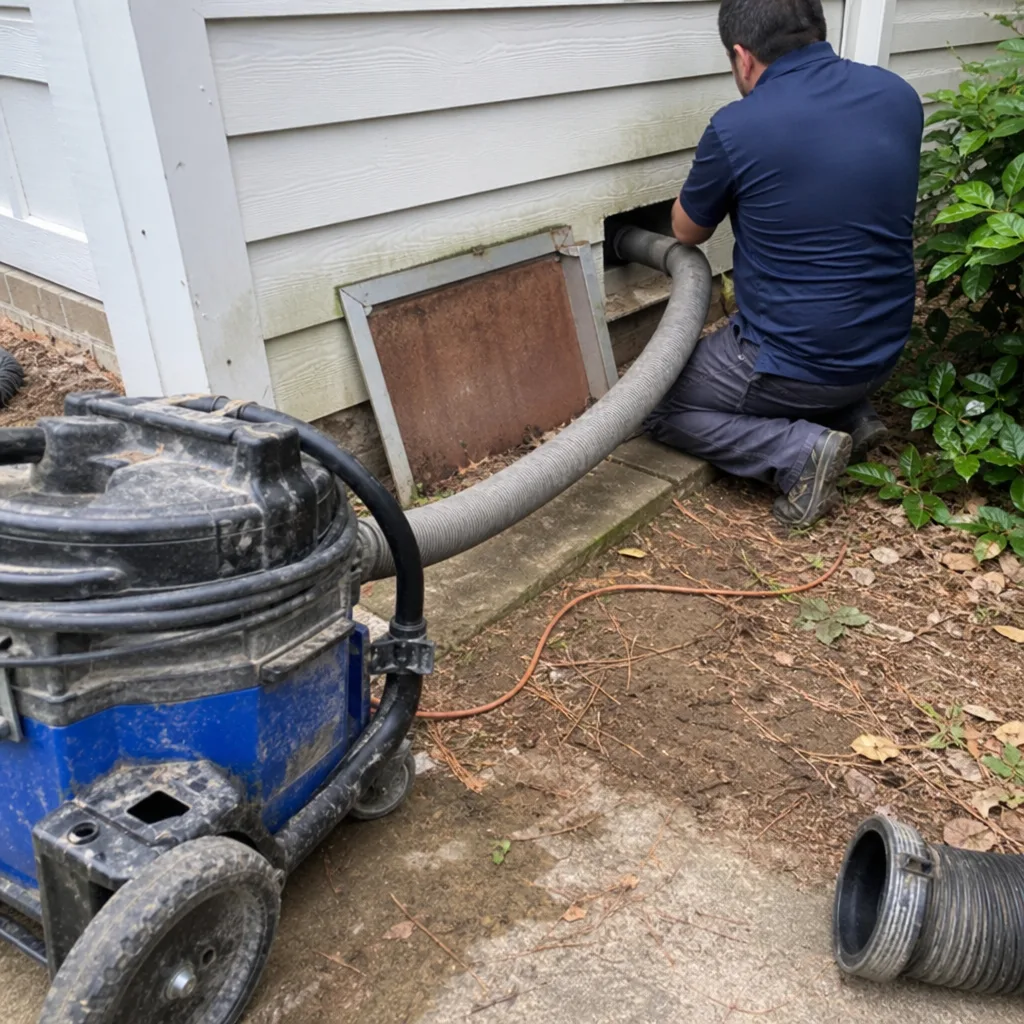
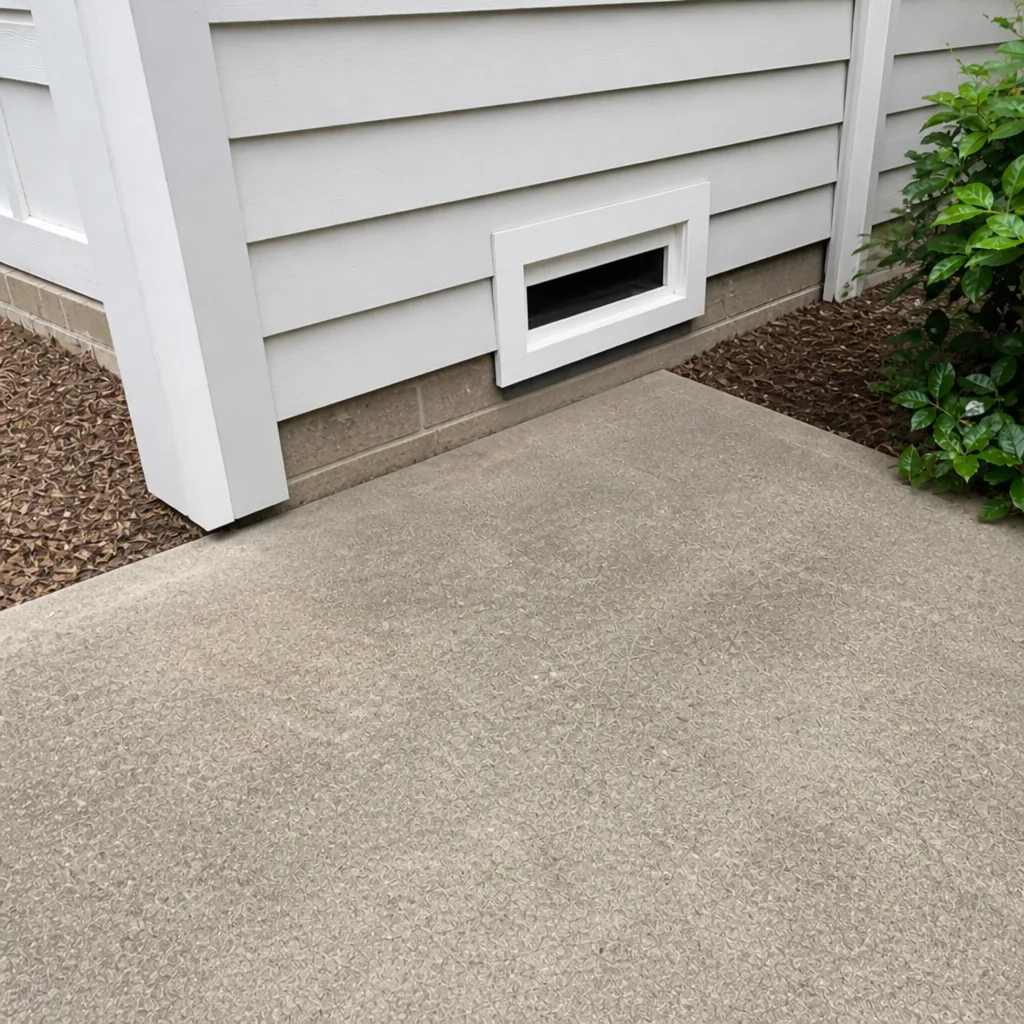
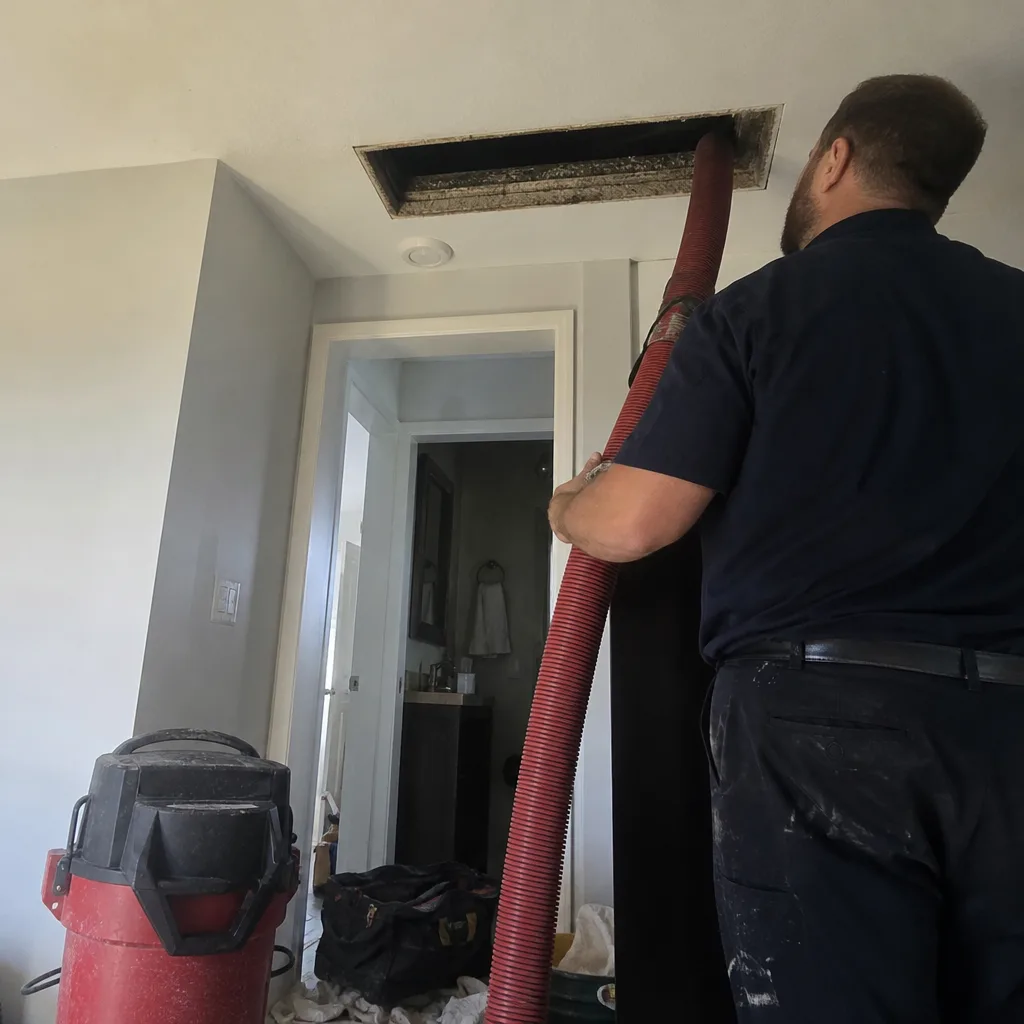
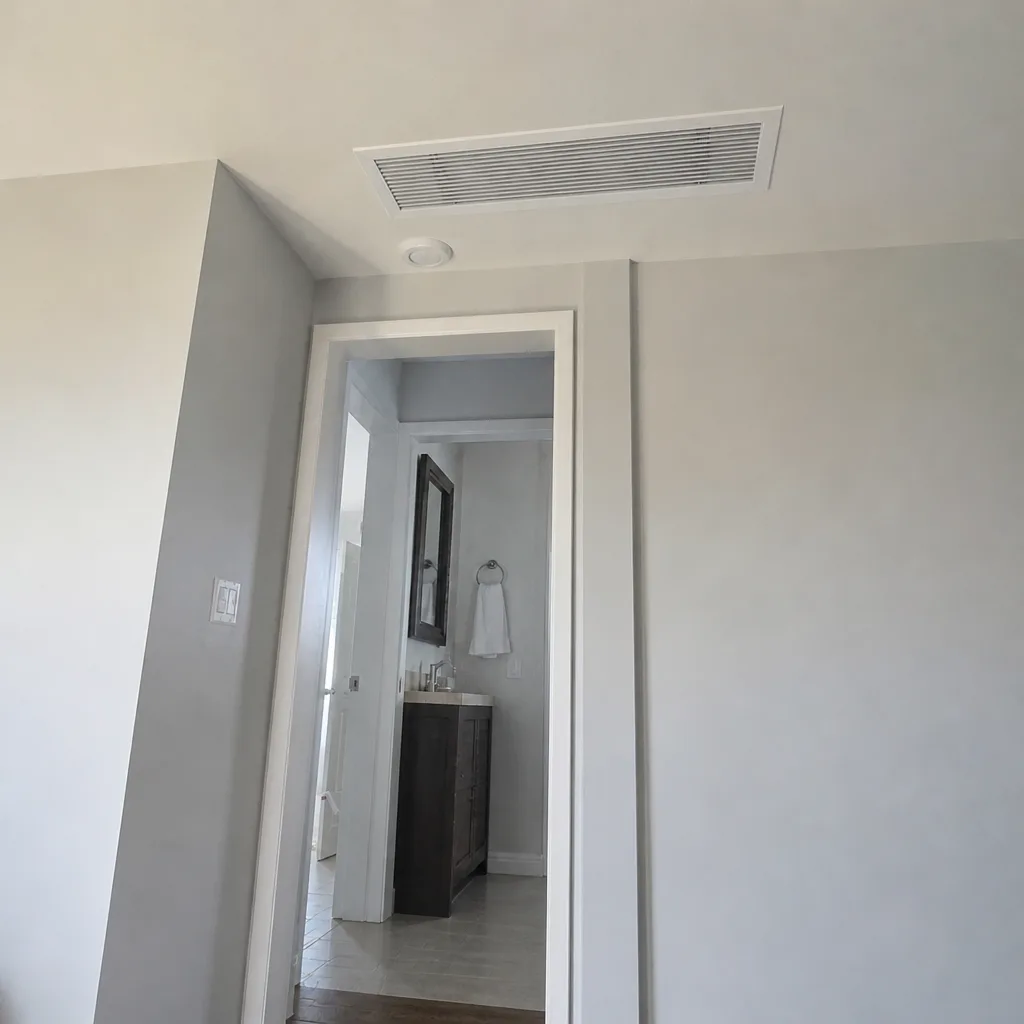
Whole-system duct and dryer vent check with before-and-after photos - you see exactly what came out of your vents
That "$99 whole-house special" is a bait ad - the real number appears once they are in your hallway, or the "clean" is a shop-vac at the register. We photograph the inside of your ducts before and after instead.
The Complete Guide to Air Duct Cleaning in Five Points
Most duct cleaning trucks never open the air handler. That’s the uncomfortable part of this trade. The dirtiest component in a typical system sits inside the coil cabinet and the blower compartment, and a crew that never takes the panel off can still hand you a receipt that says the job is done. In Five Points, where older homes and newer builds sit side by side and spring pollen runs heavy through the pine belt, that gap matters more than most homeowners realize. This guide maps every stage of a proper full-system clean – from the register face to the air handler – so you can measure any quote against what the job actually requires.
Quick Answer
A thorough air duct cleaning in Five Points is a sequenced, whole-system process: mechanical agitation of every supply and return run with a rotary brush, HEPA-rated extraction under negative pressure, cleaning of the plenums, coil cabinet, and air handler, and a post-clean verification with camera inspection. Contact-vacuum-only cleaning skips most of that. If a quote describes a single vacuum pass and no air handler access, it is not a full-system clean.
Styles & brands we work with
- Whole-home duct cleaning
- Dryer vent cleaning
- Camera inspection
- Sanitizing & deodorizing
Table of Contents
- What the Full Airflow Pathway Actually Includes
- Negative Pressure vs. Contact Vacuum: Why the Method Matters
- What Professional-Grade Equipment Captures That a Shop Vac Doesn’t
- The Seven-Stage Sequence of a Proper Full-System Clean
- What Post-Clean Verification Should Look Like
- The Five Most Common Shortcuts and How to Spot Them
- How Much Air Duct Cleaning Costs in Five Points
- How Often Your System Really Needs Cleaning
What the Full Airflow Pathway Actually Includes
Air in a Five Points home moves through five distinct zones, and each one calls for a different tool, a different technique, and a different level of care. Treat them as one system with five parts, not one duct with five branches.
Supply ducts carry conditioned air from the air handler out to the registers. They run through wall cavities, attics, and crawl spaces, and they collect fine dust, pollen, and construction debris on their interior walls. These respond best to rotary brush agitation – a spinning nylon brush that scuffs the debris loose from the duct wall – followed by extraction.
Return ducts pull air back toward the system and typically carry a heavier load of lint, hair, and settled dust. The return side is often larger in diameter and easier to reach, but it is also where you’ll find the worst buildup in a home with pets or a long-running filter habit.
Plenums are the sheet-metal boxes that connect the main trunk to the air handler. Both the supply plenum and the return plenum need physical access – a cut panel, a sealed port – so the brush and the vacuum can reach the full volume. No access port means no plenum cleaning.
The coil cabinet holds the evaporator coil, the component that dehumidifies air in a North Carolina summer. It is wet for months at a time and collects a biological film that a dry vacuum cannot remove. Coil cleaning is a separate, careful process.
The air handler contains the blower wheel and the filter rack. The blower wheel is the most commonly skipped component in the trade, and a dusty blower fan moves less air while using more electricity.
Negative Pressure vs. Contact Vacuum: Why the Method Matters
Two cleaning methods dominate the industry, and the difference between them is not cosmetic.
Contact vacuum cleaning means a technician reaches into each register opening with a vacuum wand and pulls the loose debris within arm’s length of the opening. It works on what it can touch. It does not reach around corners, past flex-duct sag, or into the middle of a long branch run. It never reaches a plenum or an air handler unless the technician opens them, which contact-vacuum crews typically don’t.
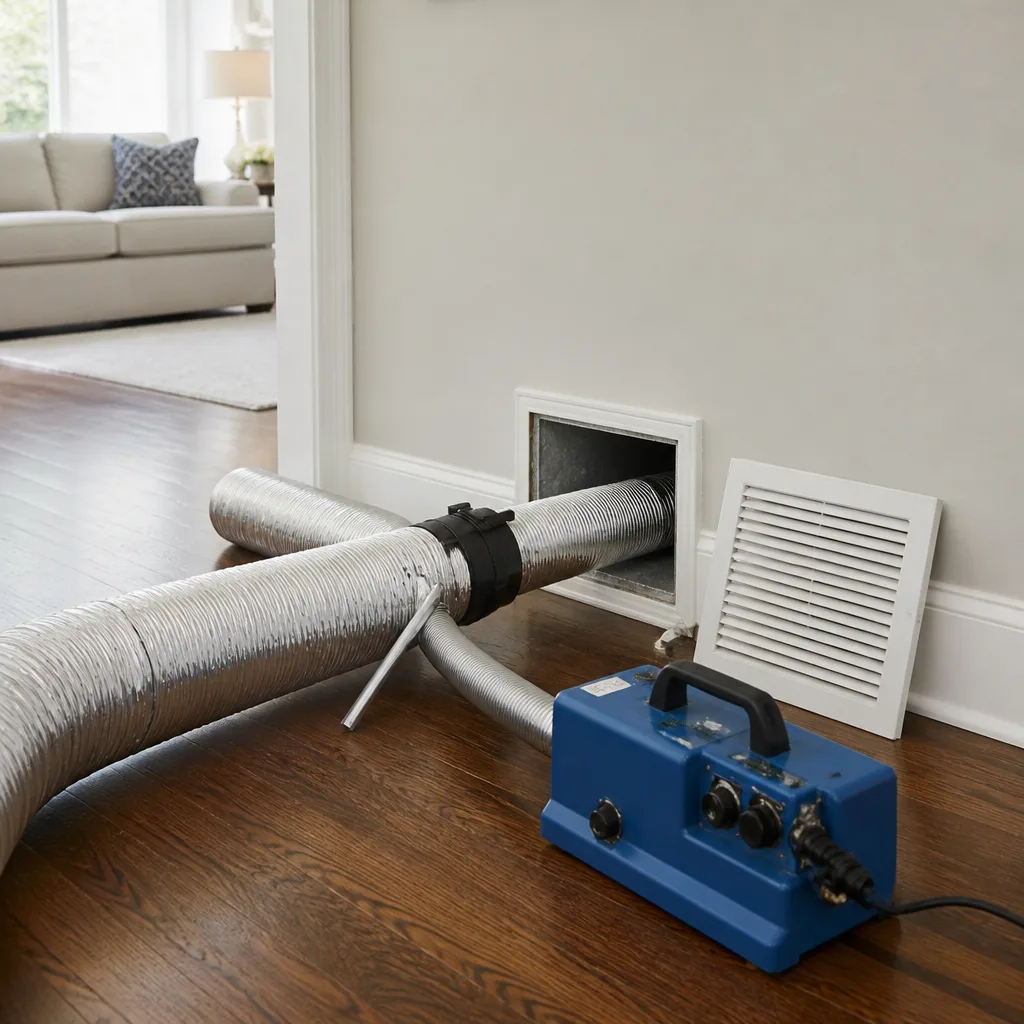
Negative pressure cleaning – also called source removal – reverses the airflow logic. A high-volume HEPA vacuum is connected to the trunk or plenum with the system off, pulling the entire duct system into a controlled vacuum. A technician then works from each register with a rotary brush, loosening the debris from the wall. The vacuum draws the dislodged material to a single collection point instead of pushing it into the living space. Every branch is under suction while it’s being cleaned, which is why this method reaches past the register face.
In our experience, the second approach is what a Five Points homeowner is actually buying when they book a cleaning. It’s the only method that cleans and captures rather than cleans or captures. If a quote doesn’t mention negative pressure or a HEPA vacuum, that’s a sign the work will be a surface pass.
What Professional-Grade Equipment Captures That a Shop Vac Doesn’t
A shop vac is rated by tank volume and airflow, not by particulate capture. A cheap model vents fine dust back into the room, which means a duct cleaning done with one can make indoor air quality slightly worse for a few hours. A HEPA-rated vacuum traps particles down to 0.3 microns with 99.97% efficiency – the standard for remediation work, and the reason we use Nikro HEPA units (not shop-vac copies) on every job.
The mechanical side matters just as much. We operate Rotobrush rotary brush systems, which are the industry’s reference tool for duct interior agitation. The brush head fits specific duct dimensions and spins against the walls, dislodging debris the vacuum alone would glide past. Paired with a HEPA extraction unit, the brush-and-capture combination is what “mechanical agitation plus HEPA extraction” actually means in practice.
Containment is the third leg. We carry Abatement Technologies air filtration equipment, which lets us hold true negative air pressure in the work area – the same standard used in professional remediation. It keeps dislodged particulate from drifting into living space while the vacuum is connected. Combined with air duct cleaning, this is the difference between a crew that cleans the ducts and a crew that controls what happens while they do it.
The Seven-Stage Sequence of a Proper Full-System Clean
A real full-system clean follows a specific order, and the order is the reason shortcuts matter. The seven stages below are what a full-system job looks like from start to finish in a typical Five Points home.
- Inspection and camera walk-through. Before anything is cut or disconnected, we run a camera through the trunk and a representative sample of branch runs. This establishes the baseline and exposes disconnected flex duct, pest debris, or hidden moisture.
- Access ports. A rotary brush and HEPA hose need openings. We cut and seal access at the supply plenum, the return plenum, and – when needed – the air handler cabinet. Every port is sealed when the job is done.
- Containment and negative pressure. The HEPA vacuum connects to the plenum and turns on before any brush touches a duct wall. The Abatement filtration unit establishes negative air pressure in the work zone so nothing escapes containment.
- Supply branch cleaning. Rotary brush, one register at a time, with return air sealed off. The brush scuffs, the vacuum captures, and we move to the next branch only when the one in hand is clean.
- Return branch and plenum cleaning. The heavier side. Return branches carry more lint and settle-debris, and the return plenum itself often holds a layer of sheet-metal dust that a contact vacuum can’t reach.
- Coil cabinet and air handler cleaning. The blower wheel comes out or is cleaned in place from the accessible side; the evaporator coil gets a coil-safe cleaner. This stage is delicate and never treated as an afterthought.
- Sanitizing, reseal, and verification. Where sanitizing is appropriate, we fog the duct interior with a product safe for HVAC surfaces. Every access port is resealed with mastic or foil tape. Then the camera comes back out for a post-clean walk-through.
That sequence takes time. It’s also the one we follow every time, whether the home is a 1950s cottage off Glenwood Avenue or a newer build on the edge of the university district. The order is the standard.
What Post-Clean Verification Should Look Like
The best moment to catch a shortcut is before the crew packs up. Verification is the homeowner’s proof, and it’s fair to ask for it.
A proper post-clean verification includes three things:
- Camera walk-through. A borescope or camera reel into at least one supply trunk run, one return run, and the air handler cabinet. You should be able to watch live on a screen, not hear a description after the fact.
- Register face check. Look at every register yourself. If dust is still visibly clinging to the grille or waterfalling off the vanes, the brush pass wasn’t complete.
- Airflow observation. With the system back on, check each supply register for a consistent throw pattern. A previously-weak register that now blows with the others is a real signal that a partial obstruction was cleared.
Before-and-after photos of your own ducts, not a stock image set, should be part of the report. We archive them for every job, and we walk a homeowner through them before we leave.
If a crew can’t or won’t verify, that’s information. The work is yours to check.
The Five Most Common Shortcuts and How to Spot Them
These are the five shortcuts we see most often in Five Points, listed with what to look for before work starts.
1. No air handler access
A crew that arrives with only a vacuum hose and no brush reel and no plan to open the air handler is doing a vacuum pass, not a full-system clean. Ask directly: “Will you clean the blower wheel and the coil cabinet?” If the answer is vague, be skeptical.
2. One register, one vacuum stroke
Proper rotary brush agitation on a branch run takes dozens of passes to reach the full duct length. A wand dropped into a register for ten seconds and pulled back out is a pass, not a clean.
3. No negative pressure
If you don’t see a HEPA vacuum truck or unit connect to a plenum, ask where the collection point is. Loose debris has to go somewhere, and if it isn’t going into a controlled chamber, it’s going into your living room air.
4. Sanitizing sprayed instead of cleaned
Sanitizing is a final step, not a substitute for cleaning. A crew that fogs the ducts without brushing has done nothing about the settled dust that produced the contamination in the first place.
5. Skipped access-port reseal
A cut access port in a supply plenum that is left unsealed leaks conditioned air into the attic or crawl space – usually a bigger cost than the cleaning itself. Every port must be sealed with mastic or foil tape before the crew leaves.
How Much Air Duct Cleaning Costs in Five Points
Air duct cleaning in Five Points typically runs from $375 to $850 for a whole-home full-system clean, depending on the number of registers, whether the air handler is being opened, and whether the home has one HVAC system or two. Line-item estimates in this market look roughly like this:
| Scope | Typical Estimate |
|---|---|
| Standard full-system clean (up to 10 registers, one system) | $375 – $550 |
| Larger home (11 – 20 registers, one system) | $525 – $750 |
| Two-system home or full plenum + air handler cleaning | $700 – $850 |
| Sanitizing add-on (whole system) | $75 – $150 |
| Duct repair and reseal (per disconnected or leaking joint) | Quoted after inspection |
| Dryer vent cleaning (separate service) | $80 – $165 |
One flat price per system, agreed before work starts, and not a per-vent price. That is how we quote, and it’s why you won’t see a teaser coupon number priced below what the job actually costs to do properly.
Five Points is not a uniform housing market – a bungalow in the older grid near the university has different duct geometry than a 2010s build with a conditioned attic, and the pricing line moves accordingly. A written estimate is the only number that counts.
Duct repair and sealing found during a cleaning is quoted on the same visit rather than referred to a second contractor. For the dryer side of the system, dryer vent cleaning runs separately and is often scheduled alongside the duct job.
How Often Your System Really Needs Cleaning
Most Five Points homes need a full-system duct cleaning every three to five years. That’s the working window – not a fixed rule, but a realistic interval for a climate that pushes pollen for weeks every spring and runs the air handler nearly year-round.
The interval shortens for specific situations:
- A home with pets, especially a shedding dog or multiple cats
- After a renovation that cut drywall or disturbed insulation inside the house
- A home with visible dust streaks at the registers or above the supply grilles
- Anyone in the home who has dust-triggered breathing problems and notices a spike when the system runs
- A house that has sat vacant for a season or more
- Any system that has never been cleaned and now shows visible dust buildup around the drain pan or coil
Short of those situations, the sensible check is the filter plus the register face. If filters are loading up in weeks rather than months, upstream dust is feeding them – and the air handler is worth opening for a look.
Common Mistakes to Avoid
- Choosing on price alone. A quote that comes in far under the local range usually means the air handler is never opened, and the dirtiest part of the system stays untouched. The cheapest line on the invoice is often the one that costs the most in a second visit.
- Not asking about the air handler. Ask specifically whether the blower wheel and the coil cabinet are cleaned. Any hesitation on that question tells you more than the brochure.
- Accepting per-vent pricing. Per-vent pricing encourages crews to rush each branch to get through more of them. One flat price per system is the structure that protects the work.
- Skipping the post-clean walk-through. If you don’t see the before-and-after photos on your own ducts and your own registers, you don’t have verification.
- Sanitizing as a first step. Sanitizing sprayed into a duct that hasn’t been mechanically cleaned does nothing lasting. Brush, vacuum, then – only if needed – sanitize.
- Ignoring a disconnected flex run. A disconnected ducted branch will dump conditioned air into an attic or crawl space indefinitely. A proper inspection finds it; a shortcut clean never opens the door to look.
- Skipping the air handler filter. Duct cleaning cannot compensate for a filter that is being skipped. Clean ducts and a dirty filter fight each other.
See the difference
 Before
 After
 Before
 After
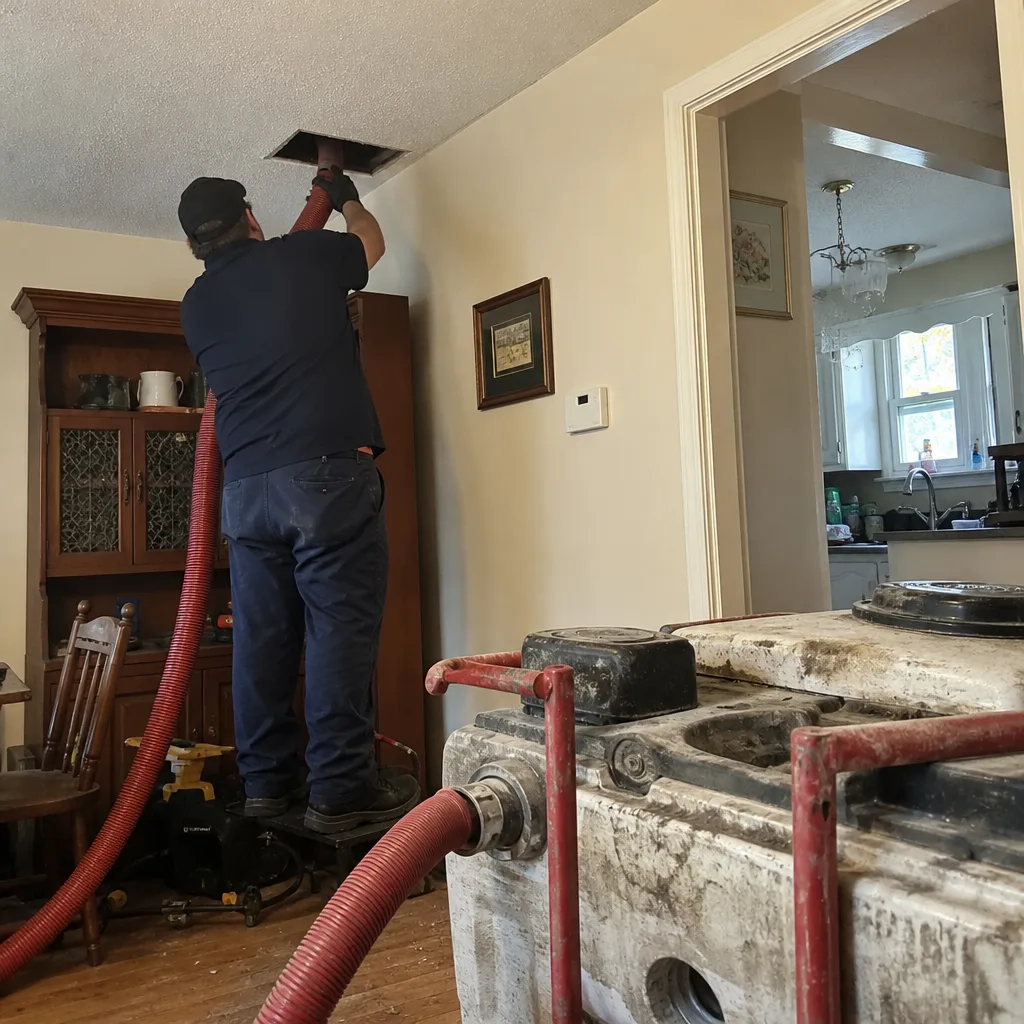 Before
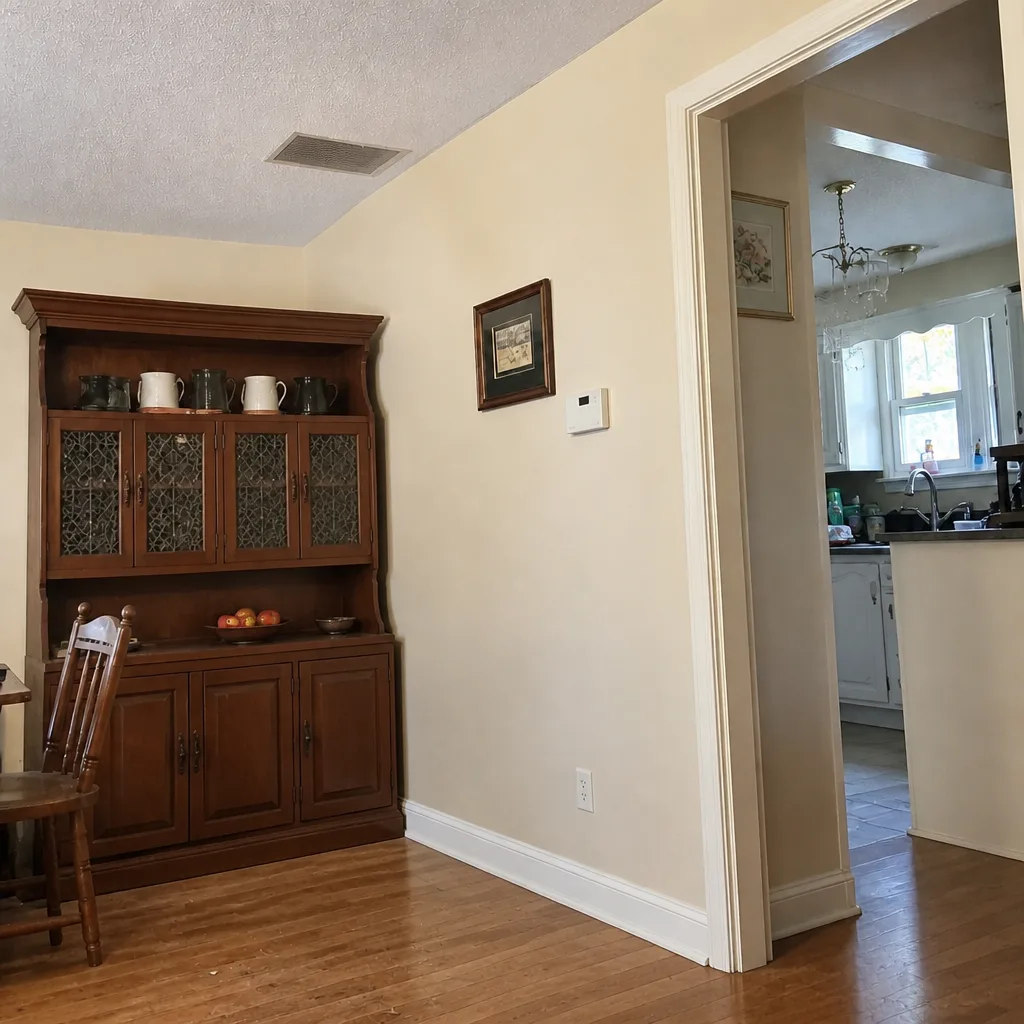 After
When to Call a Professional
Call in a professional when the problem is inside the system rather than at the filter. Visible dust streaks at the registers or around the return grille, musty odors that show up when the system first starts in the afternoon, weak airflow at registers that were strong a season ago, or a home with a new baby or a family member sensitive to dust – all of those are signals worth a full-system inspection rather than another filter change. A system that has never been opened for a cleaning after multiple years of service is due, particularly in Five Points where the pollen load runs high from late March through April. Duct cleaning is also worth booking after a renovation that cut drywall inside the home, because construction dust settles differently than everyday dust and bypasses the filter entirely.
Air Duct Cleaning Five Points offers free estimates in Five Points – call (877) 523-6180. We answer 24/7. Fast dispatch from 7am to 7pm, Sunday through Friday.
Our technicians have up to 10 years of experience, and every job includes the same seven-stage sequence regardless of system size. The local pro we connect you with is licensed and insured as their state requires, and the price is set per job by the written estimate before work starts.
Frequently Asked Questions
A full-system clean in Five Points typically runs $375 to $850, depending on register count and whether one or two HVAC systems serve the home. The written estimate is the final price, and we don’t price per vent. Call (877) 523-6180 for an exact quote – estimates are free.
Cheap quotes usually skip the air handler, the coil cabinet, and the plenums – the three most labor-intensive components. A crew that only vacuums from the register opening is doing roughly a quarter of the work, so the price reflects it. Ask any contractor what the quote includes before they cut a single access port. Call (877) 523-6180 if you want a quote that lists every stage.
We clean the full pathway, including the air handler, the blower wheel, and the coil cabinet. Opening the air handler is the single biggest quality signal in a duct cleaning job, and it’s part of our standard scope rather than an add-on. Call (877) 523-6180 to schedule an inspection and see the full sequence in a written quote.
You should be able to watch the camera walk-through yourself – one supply run, one return run, and the air handler – plus a check of every register face and before-and-after photos of your own ducts. We do all three at the end of every job. Call (877) 523-6180 if you want to know what your last cleaning actually included.
Every three to five years is the working interval for most Five Points homes, closer to three if there are pets, a recent renovation, or a family member sensitive to dust. Filter loading speed is the practical signal – if a filter that used to last two months now clogs in five weeks, it’s worth an inspection. Call (877) 523-6180 and we’ll estimate your system.
Yes, particularly because newer builds often have tighter ductwork that traps construction dust from the original build-out. Newer homes also rely more on sealed envelopes and whole-home filtration, so a single dust source has less escape route than in an older house. Call (877) 523-6180 and we’ll walk you through what’s actually likely in your system before you commit.
Yes – duct repair and sealing is one of our five core services, done on the same visit rather than referred out. Disconnected flex runs, leaking joints, and gaps at plenum seams are quoted on the spot, and the work is finished before we leave. Call (877) 523-6180 to book an inspection.
The Bottom Line
A proper air duct cleaning in Five Points is a seven-stage sequence from the register face to the air handler, and every stage matters. Mechanical agitation with a rotary brush plus HEPA extraction under negative pressure is the method; contact-vacuum-only cleaning is a surface pass that looks like a full job on paper. The questions that protect a homeowner are simple: will you open the air handler, will you verify with a camera, and is the price flat per system with before-and-after photos included. If the answer to any of those three is unclear, keep the phone in your hand and keep asking. We answer 24/7 at (877) 523-6180, with fast dispatch from 7am to 7pm, Sunday through Friday.
For a full whole-pathway clean with the right equipment and the same sequence every time, Air Duct Cleaning Five Points is where to start. For a system that’s never been opened and needs a mechanical clean from the air handler side, HVAC cleaning covers the air handler, blower, and coil. Better airflow starts with what’s inside the walls, and getting it right the first time is cheaper than getting it twice.
Written by the team at Air Duct Cleaning Five Points.