
Last updated November 24, 2026
 Whole-home duct cleaning
 Dryer vent cleaning
 Camera inspection
 Sanitizing & deodorizing
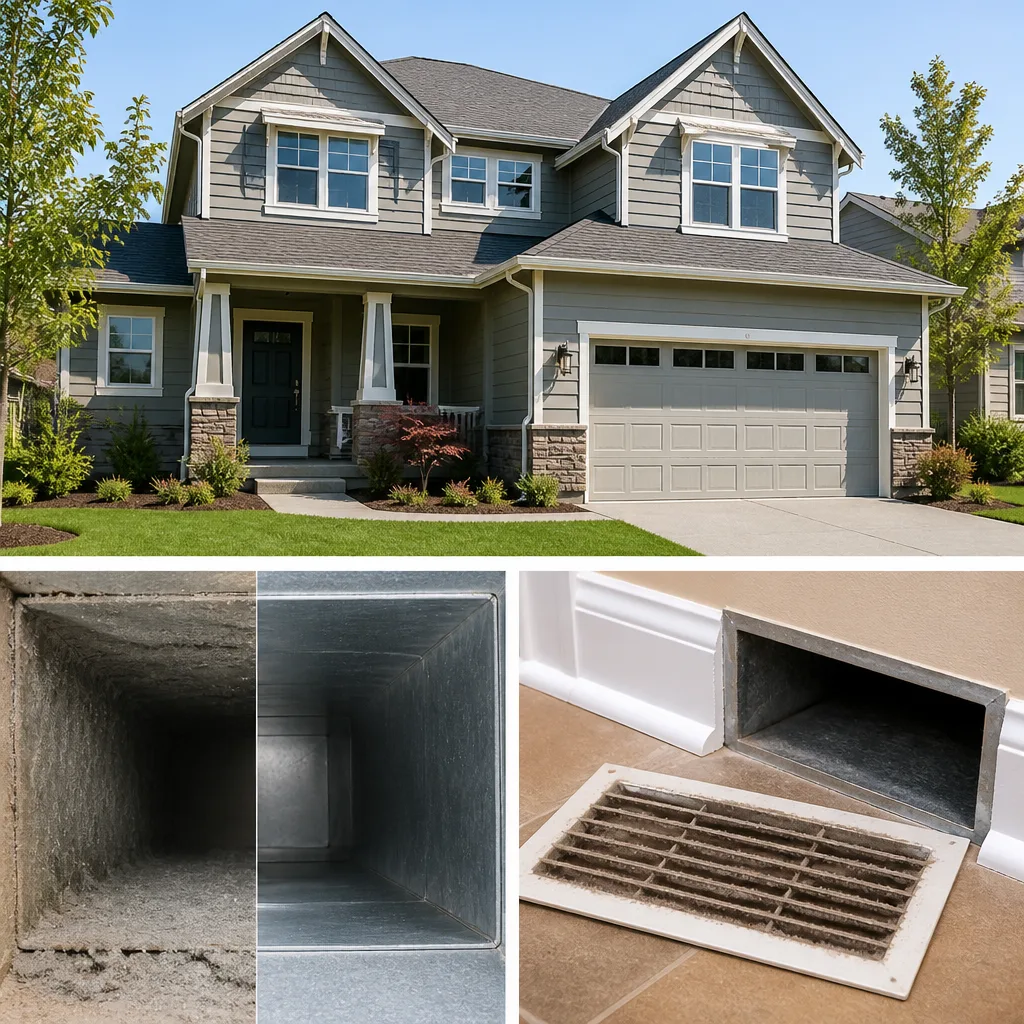
Whole-system duct and dryer vent check with before-and-after photos - you see exactly what came out of your vents
That "$99 whole-house special" is a bait ad - the real number appears once they are in your hallway, or the "clean" is a shop-vac at the register. We photograph the inside of your ducts before and after instead.
DIY vs Professional Air Duct Cleaning: The Five Points Homeowner’s Decision Guide
A homeowner with a shop vac and a dryer vent brush can clean the first 18 inches of a supply register, and that’s about where the physics of consumer equipment stop working in your favor. The rest of the system – the trunk lines, the branch runs, the plenum at the air handler – sits behind a pressure problem no hardware-store vacuum was built to solve. This guide isn’t here to tell you duct cleaning is always a professional job. Some of it isn’t. What we’ll do is draw the line clearly: which tasks you can legitimately handle yourself in a Five Points home, which ones consumer equipment physically cannot accomplish, and how to tell the difference before you spend a weekend on work that makes things worse.
Quick Answer
Consumer vacuums can’t move enough air volume or generate enough negative pressure to pull debris out of a duct run without redistributing it into the living space, so DIY air duct cleaning only works for surface tasks like register cleaning and filter replacement. Genuine source-removal cleaning – dislodging debris from the full length of the duct and capturing it under negative pressure – requires professional HEPA extraction and mechanical agitation equipment. Most Five Points homeowners can handle the first category themselves and should call for the second.
Styles & brands we work with
- Whole-home duct cleaning
- Dryer vent cleaning
- Camera inspection
- Sanitizing & deodorizing
Table of Contents
- The Physics Problem: Why Your Shop Vac Isn’t Built for Ducts
- What You Can Legitimately Do Yourself
- The Risks of a Partial DIY Attempt
- What a Professional Brings That Changes the Outcome
- The Decision Framework: Match the Tool to the Goal
- Reading the Signs in a Five Points Home
- What DIY Actually Costs You
- When to Call a Professional
The Physics Problem: Why Your Shop Vac Isn’t Built for Ducts
Duct cleaning works on two numbers: cubic feet per minute (CFM) and static pressure. CFM measures how much air volume moves through the system. Static pressure measures the resistance that air has to overcome to keep moving. In a typical residential duct system, those numbers are balanced carefully by the system designer. When you introduce a vacuum at a single register, you change the pressure relationship in the whole system – and not in a direction that helps you.
A consumer shop vac moves somewhere in the range of 100 to 200 CFM at the nozzle. That sounds like a lot until you account for the length of the run. A supply duct in a Five Points home can extend 20 to 30 feet from the register to the trunk, with elbows, transitions, and sometimes flex sections along the way. Every foot of duct adds friction. Every elbow adds resistance. By the time you get past the first 18 to 24 inches, the vacuum is pulling so little air volume that it’s barely moving the dust it did manage to loosen.
Here’s the part most DIY guides skip: if the vacuum’s pull at depth is weak but the airflow from the HVAC system is on, you can dislodge debris at the register end while the system pressure pushes the loosened material deeper into the run. You’re not cleaning. You’re relocating. The debris lands in a branch line or at the plenum where it’s much harder to reach and much easier to blow back into the living space on the next heating call.
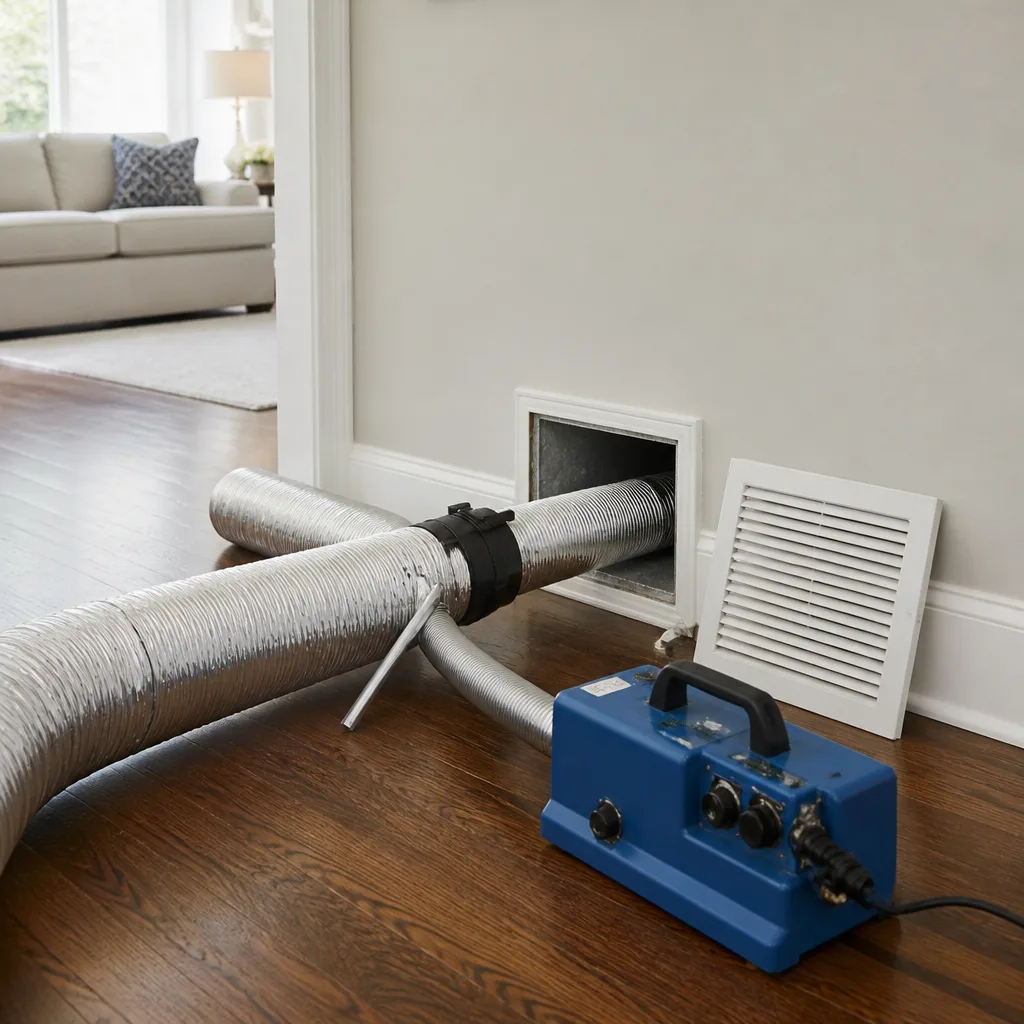
Professional equipment solves this with a different approach entirely: mechanical agitation plus HEPA extraction. A rotary brush system like the Rotobrush physically dislodges debris from the duct walls the full length of the run, while a HEPA-rated unit like the Nikro pulls that loosened material under genuine negative pressure – the kind of pressure that pulls air, not just sweeps a surface. Add negative-air containment via an Abatement Technologies filtration unit and you have a system that keeps what’s loosened from ever entering the room. A shop vac can’t do any of that. Not because it’s a bad tool. Because it’s the wrong tool for the physics at play.
What You Can Legitimately Do Yourself
There’s real work a Five Points homeowner can do without professional equipment – and doing it well makes any professional cleaning more effective when you do call. Here’s the honest list:
- Clean the register grilles. Pop them off, wash them in warm water with a mild detergent, let them dry fully, and reseat them. A surprising amount of visible dust lives on the surface of the register face rather than inside the duct.
- Replace the filter – and check the seating. A filter that isn’t fully seated lets unfiltered air bypass it and load the duct with dust. Pull it out, look at the frame edges for gaps, and reseat it carefully. Replace it per the manufacturer’s schedule for the filter grade you’re running.
- Vacuum the return grille and the area around it. The return is where dust entering the system first collects. Surface vacuuming the grille face and the surrounding drywall is a genuine improvement.
- Inspect visible flex duct in an accessible crawl space or attic. Look for disconnected sections, kinked runs, or torn outer jackets. You’re not repairing it yourself, but you’re gathering information the technician will use.
- Clear the immediate area around the air handler. Access matters. A technician who can’t reach the plenum is limited in what they can clean.
- Watch for moisture signs. Condensation on the outside of ductwork, rusted seams, or a musty smell near the unit – all worth documenting.
None of that requires professional equipment, and all of it is useful. The mistake is thinking these tasks are the same as duct cleaning. They’re the equivalent of dusting the cover of a book you haven’t opened.
The Risks of a Partial DIY Attempt
A partial attempt doesn’t just fail to clean – it can actively damage the system. In our experience, these are the failure modes that show up repeatedly:
- Dislodging debris deeper instead of removing it. A shop vac that agitates without capturing pushes loosened material toward the plenum or into a branch feed. This is the most common outcome of a DIY attempt on a dirty system, and it’s the hardest to reverse.
- Disrupting duct sealing. Duct joints are often taped, mastic-sealed, or mechanically fastened. A brush or wand shoved into a joint can break a seal that was holding. That creates a leak that pulls attic or crawl space air into the supply – a net air quality loss.
- Introducing moisture. Wet cleaning methods in ductwork are risky for a homeowner. Moisture introduced into a duct that doesn’t fully dry becomes a substrate for biological growth, which is precisely what you were trying to prevent.
- Damaging flex duct. The inner liner of flex duct is thin. A consumer brush catches on it and tears it, and a torn inner liner means unfiltered air travels through the duct.
- Failing to protect the air handler. The blower and evaporator coil are downstream of everything. Anything you dislodge gets pulled through them. A dirty coil is an efficiency problem that costs more than the original cleaning.
- Not verifying the result. You can clean a register and still have no idea what’s in the run behind it. Without camera verification, you don’t know if what you did helped or hurt.
The way to avoid all six is to know where your capability ends. If your goal is a cleaner register face and a fresh filter, do it – you’ll get a real result. If your goal is a cleaner duct, the tools and the physics have to change.
What a Professional Brings That Changes the Outcome
The reason professional duct cleaning in Five Points produces a different result than a DIY attempt isn’t skill – it’s a different class of equipment and a different sequence of operation. Here’s what a properly equipped crew brings:
- HEPA-rated extraction units that generate sustained negative pressure at the register, pulling air volume rather than just surface dust. In our work that’s Nikro HEPA equipment, sized for residential systems and paired with appropriate hosing.
- Rotary brush systems for mechanical agitation – the Rotobrush line among them – which physically dislodge caked debris from duct walls the full length of the run, forward and back.
- Negative-air containment units such as those from Abatement Technologies that keep loosened particulates confined to the work zone during the job, the same containment logic used in professional remediation.
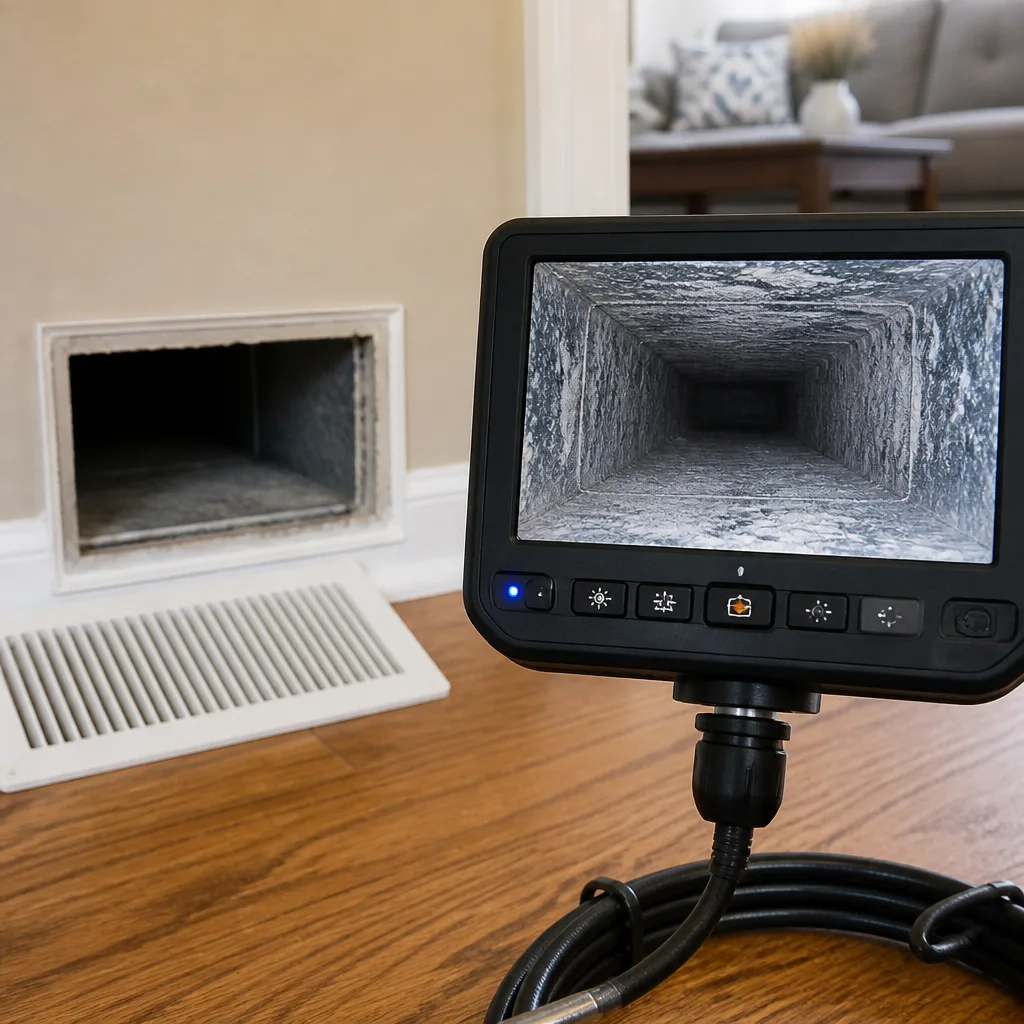
- Camera verification so the technician can confirm what the duct looked like before and after the run was cleaned, and so you can see it too.
- Sealing and repair capability on the same visit, because in a Five Points home we typically find at least one disconnected flex run or failed joint during a first-time cleaning. If the technician can’t fix it on the spot, the cleaning result is compromised.
That last point matters more than most homeowners realize. Cleaning a duct system with a disconnected run is like cleaning a floor with a hole in it: the work is real, but the result doesn’t hold. Air Duct Cleaning Five Points handles repair and sealing as part of the same visit precisely because so much of the value of air duct cleaning is lost when leaks are left in place. A connected, sealed system is a system that actually moves cleaner air.
If you’re wondering how the whole-system approach differs from what a one-truck vacuum-only service offers, our Air Duct Cleaning Five Points overview walks through the full path: ducts, air handler, and the components in between.
The Decision Framework: Match the Tool to the Goal
The DIY-versus-professional question has a clean answer once you name the goal. Use the framework below:
DIY is appropriate when the goal is:
- Cleaner-looking register grilles and visible surface dust removal
- Routine filter replacement and seating verification
- Visual inspection of accessible flex duct from a crawl space or attic
- Clearing access to the air handler
Professional equipment is the only way when the goal is:
- Removing accumulated debris from the full duct run, not just the first 18 inches
- Neutralizing odors that don’t clear after filter and register cleaning
- Fixing uneven airflow between rooms that surface cleaning can’t touch
- Addressing allergy flare-ups or persistent dust that returns quickly after cleaning
- Cleaning the air handler, blower, and evaporator coil
- Sealing leaks or reconnecting disconnected runs found during inspection
Notice the pattern: DIY wins on surface and inspection. Professional wins on volume, depth, sealing, and verification. Most homes in Five Points end up needing both – the homeowner handles the routine surface work, and the professional handles the source removal. That’s not a compromise. It’s the correct division of labor.
If you want a technically grounded walk-through of what the professional side actually does, our air duct cleaning service page covers the sequence at the run level.
Reading the Signs in a Five Points Home
Five Points homes tend to run certain patterns when it comes to duct condition. Older houses often have been renovated at least once, and renovations are where duct systems typically get re-routed, patched, or partially disconnected. Crawl space duct runs in Five Points are a common weak point – flex duct lying on the ground is vulnerable to moisture, rodent intrusion, and crushing underfoot traffic.
Here’s what we’d suggest paying attention to as you assess your own system:
- Dust returns quickly after cleaning. If you’ve cleaned a room and the dust settles back within a few days, the source is almost certainly in the ducts or a return path – not in your cleaning method.
- Musty or stale smell when the system runs. Odor that only appears when the HVAC is on points toward duct interior, not the room.
- Uneven airflow between rooms. One room noticeably underperforming suggests a leak, a kink, or a disconnected run – a repair problem, not a cleaning problem alone.
- Visible buildup at supply registers. If you can see dust caked on the register backside, the same is happening inside the run.
- Recent renovation. If drywall was cut or the house was remodeled within the last several years, the ductwork likely collected construction debris that surface cleaning won’t reach.
Two of these signs is a reasonable trigger point to schedule an inspection. One sign is a “keep an eye on it.” None of these is a reason to panic – but any of them is a reason to think about equipment physics rather than just vacuum power.
What DIY Actually Costs You
DIY isn’t free – it just moves the cost. A shop vac plus a duct brush kit plus the time to do it adds up to real money and a real weekend, and the result is more likely to be a cleaner register than a cleaner system. If the goal is genuinely a cleaner system, DIY on ductwork is often the cheapest way to discover you need the professional call anyway.
The better use of that weekend is preparation: handle the surface work yourself, then let a professional with the equipment bring the system clean in a single visit. It’s also why we recommend a free written estimate before any work starts, in Five Points or anywhere else – you should know what’s actually being done, with what equipment, at what price, before the technician turns a wrench or a brush. One flat price per system, agreed in writing, with before-and-after photos of your own ducts so you can verify what was done. That’s the standard we hold to, and it’s the standard you should expect from anyone you hire.
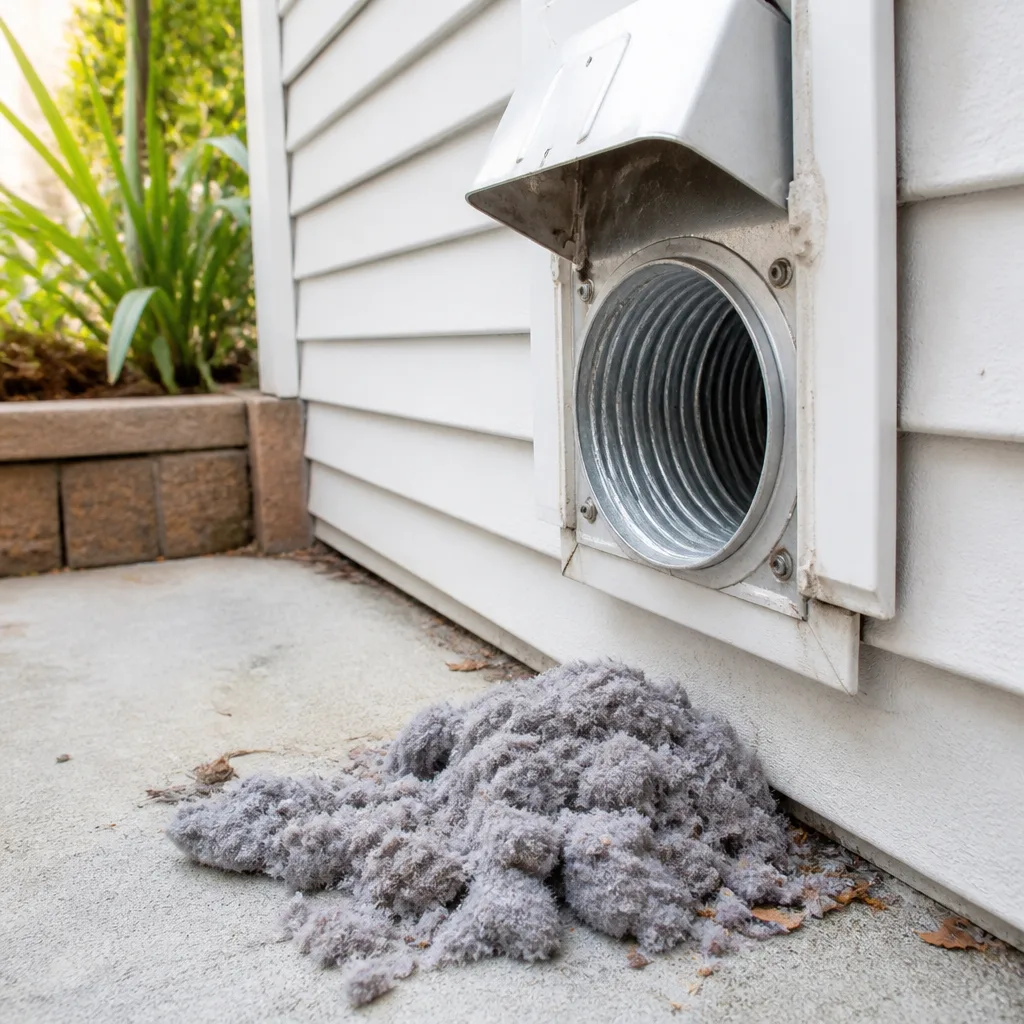
The other service that often comes up in a duct conversation is dryer vent cleaning. It’s a different run with a different risk profile – lint accumulation in a dryer vent is a fire hazard, not just a performance issue – and it’s a genuine example of a job where DIY brushing has a legitimate place for surface lint but professional equipment is the safer choice for the full run.
When to Call a Professional
Call a professional when the problem is in the system, not on the surface. That means: dust that returns within days of cleaning, odors that appear when the HVAC runs, uneven airflow between rooms, recent renovations that likely left construction debris in the runs, visible buildup on supply register backsides, or a first-time cleaning on a home whose duct history you don’t know. Add to that list any visible disconnected flex run, a musty smell near the air handler, or moisture signatures on ductwork – those need inspection before they get worse. Air Duct Cleaning Five Points offers free estimates in Five Points. Call (877) 523-6180. We answer 24/7. Fast dispatch from 7am to 7pm, Sunday through Friday.
Frequently Asked Questions
Yes, when the goal is source removal from the full duct run. Consumer vacuums can’t generate the sustained negative pressure required to pull debris through a 20- to 30-foot duct efficiently, so a DIY attempt at whole-system cleaning is more likely to redistribute than remove. For surface register cleaning and filter work, DIY is fine. Call (877) 523-6180 for an exact quote on the system – estimates are free.
DIY handles surface tasks – grilles, filter seating, visible inspection. Professional equipment adds mechanical agitation (rotary brush systems like Rotobrush), sustained HEPA extraction (Nikro equipment), negative-air containment (Abatement Technologies units), camera verification, and same-visit duct repair and sealing. The difference is source removal versus surface cleaning. Call (877) 523-6180 for a free written estimate.
Yes, in three ways: it can dislodge debris deeper into the system rather than removing it, it can tear flex duct liners if a brush catches, and it can break duct joint sealing if the wand is pushed hard into a joint. Any of those creates a problem worse than a dirty duct. Call (877) 523-6180 to have the system inspected before a DIY attempt.
It depends on the home – filter habits, pets, recent renovation, and whether the system has known leaks all affect the schedule. A reasonable rule is to inspect the system when you notice any of the signs in this guide, and to have a professional assessment anytime you’ve completed a major renovation. Call (877) 523-6180 for a free assessment.
Cheap quotes usually mean a shop-vac-style service with no rotary agitation, no HEPA extraction, and no containment – a surface pass that doesn’t match the source-removal process the term “duct cleaning” implies. If a quote doesn’t specify the equipment being used, ask. Call (877) 523-6180 for a written, line-item estimate from a company that names the equipment it deploys.
Ask for before-and-after photos of your own ducts. A properly equipped crew can show you what the run looked like before the brush went in and after extraction. That’s the standard we work to on every job. Call (877) 523-6180 to schedule and request the photos as part of the estimate.
See the difference
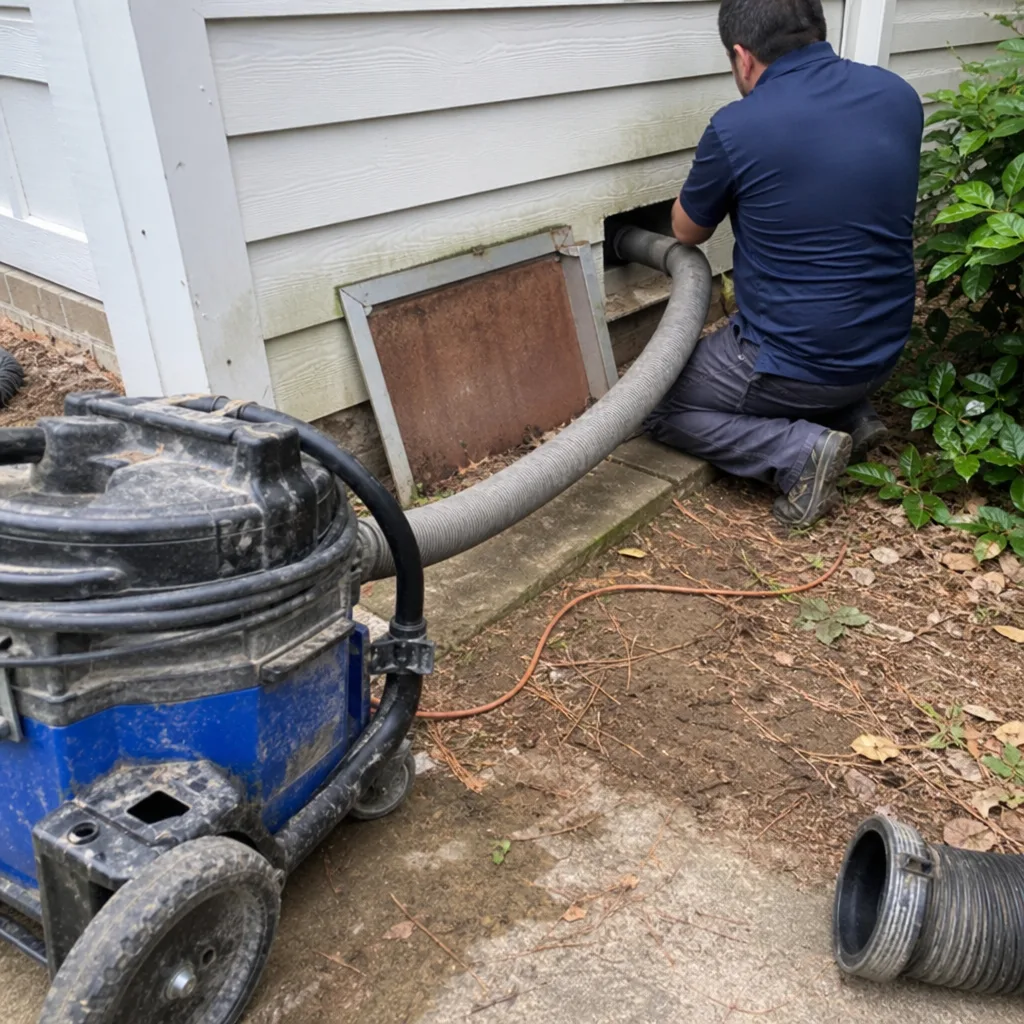 Before
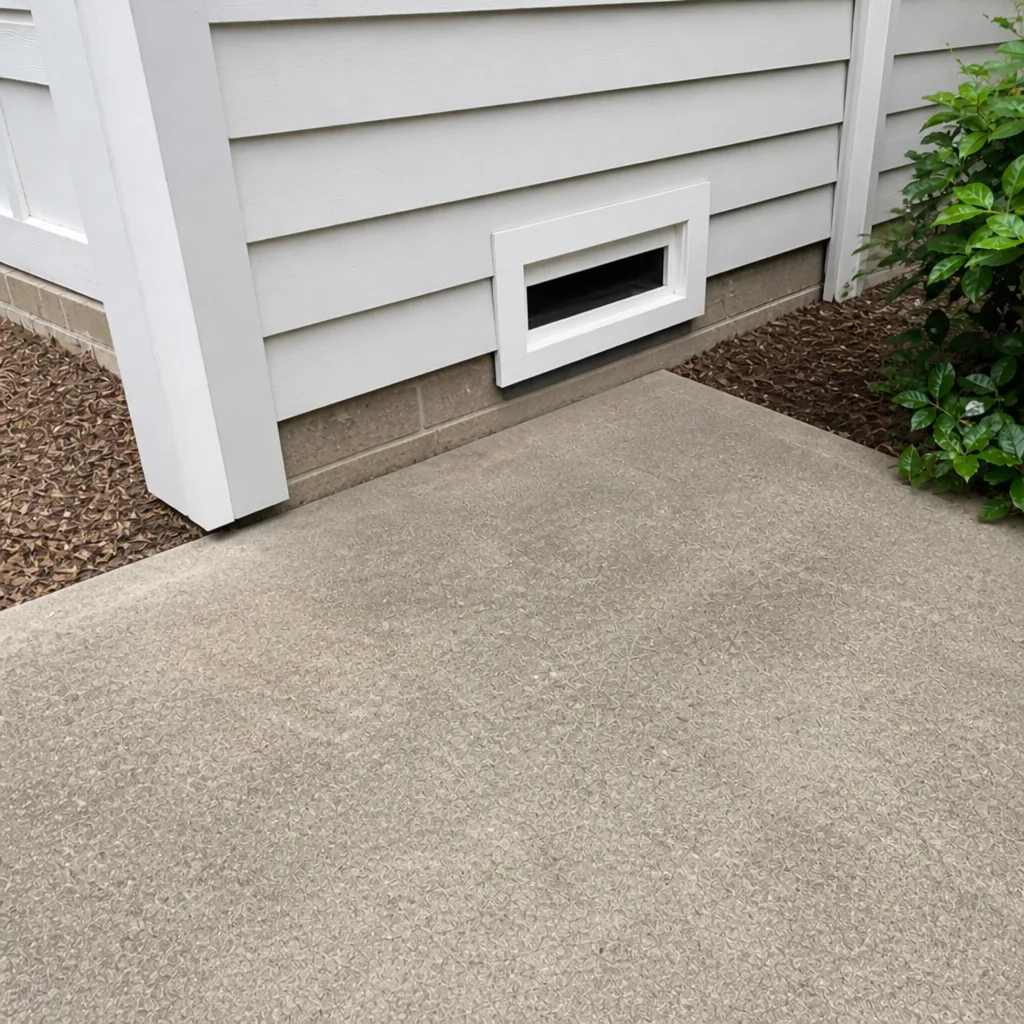 After
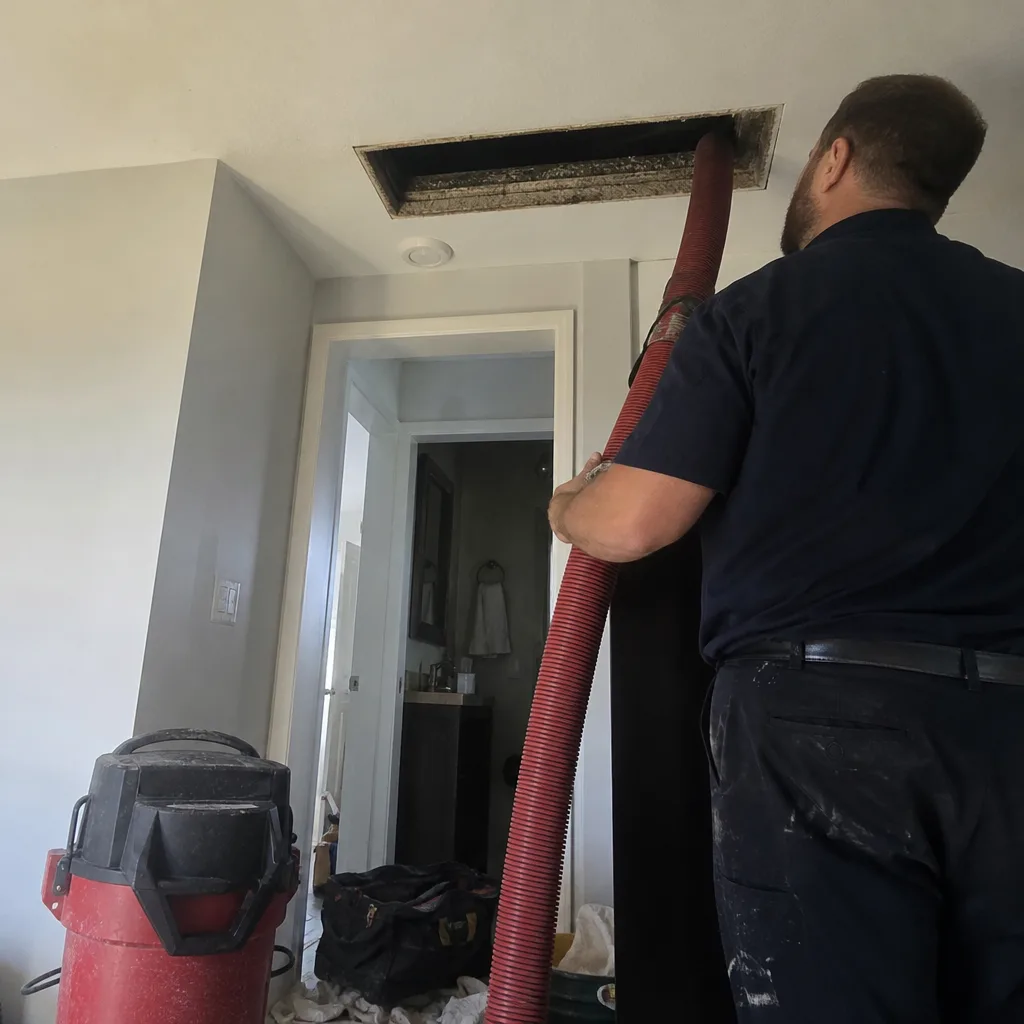 Before
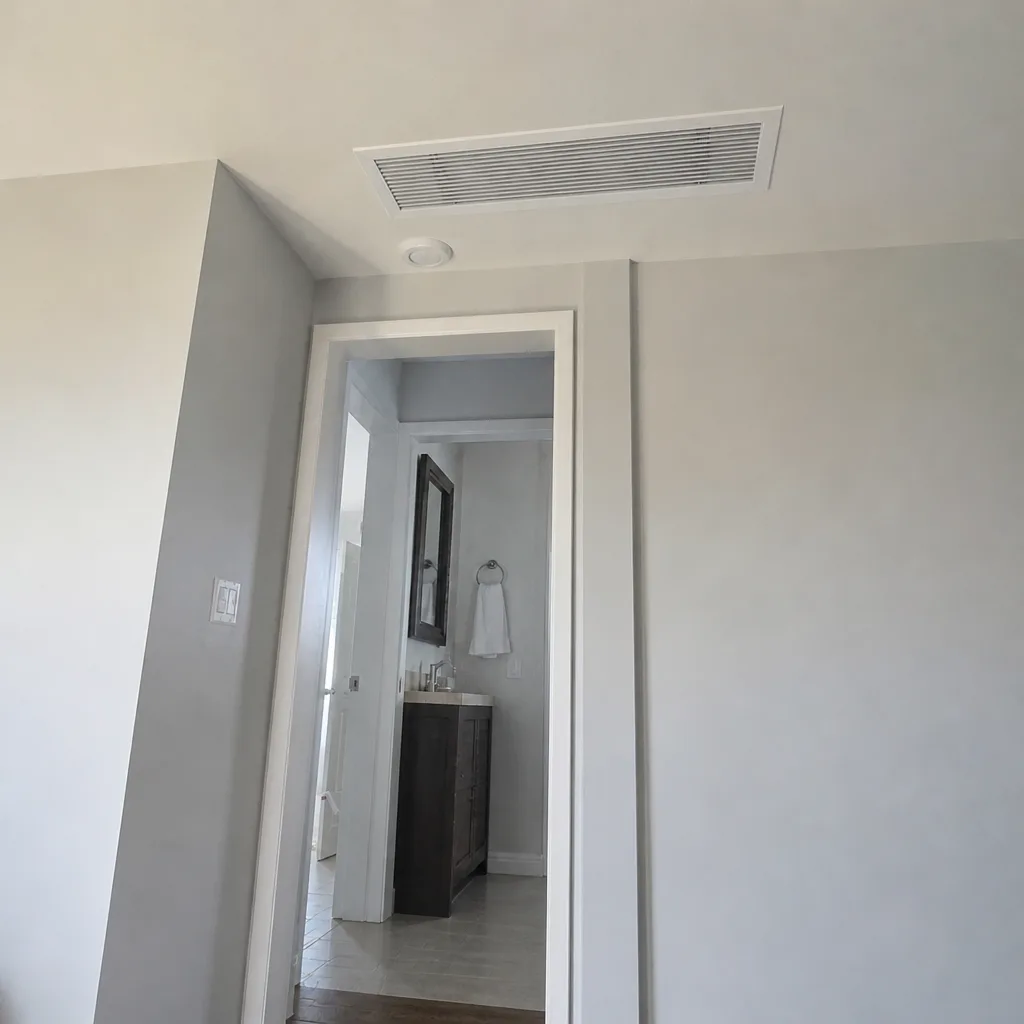 After
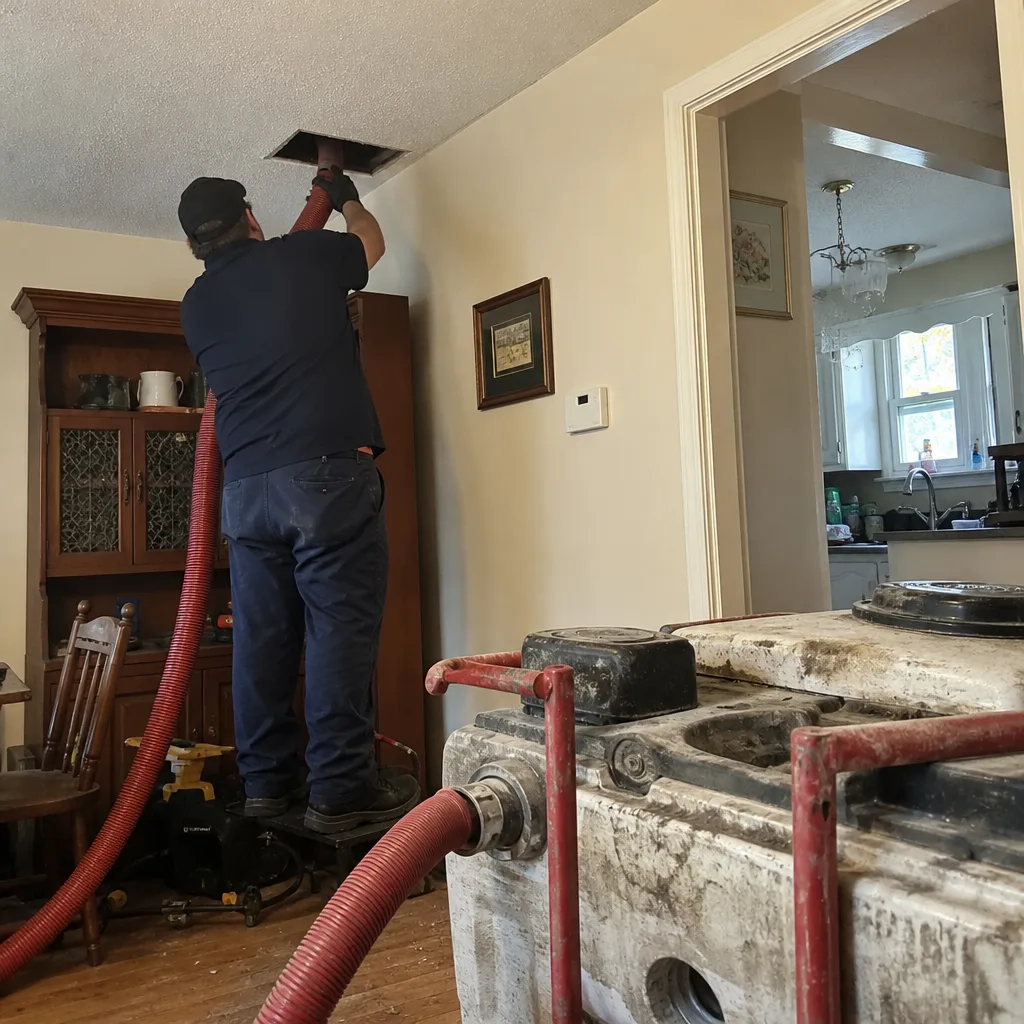 Before
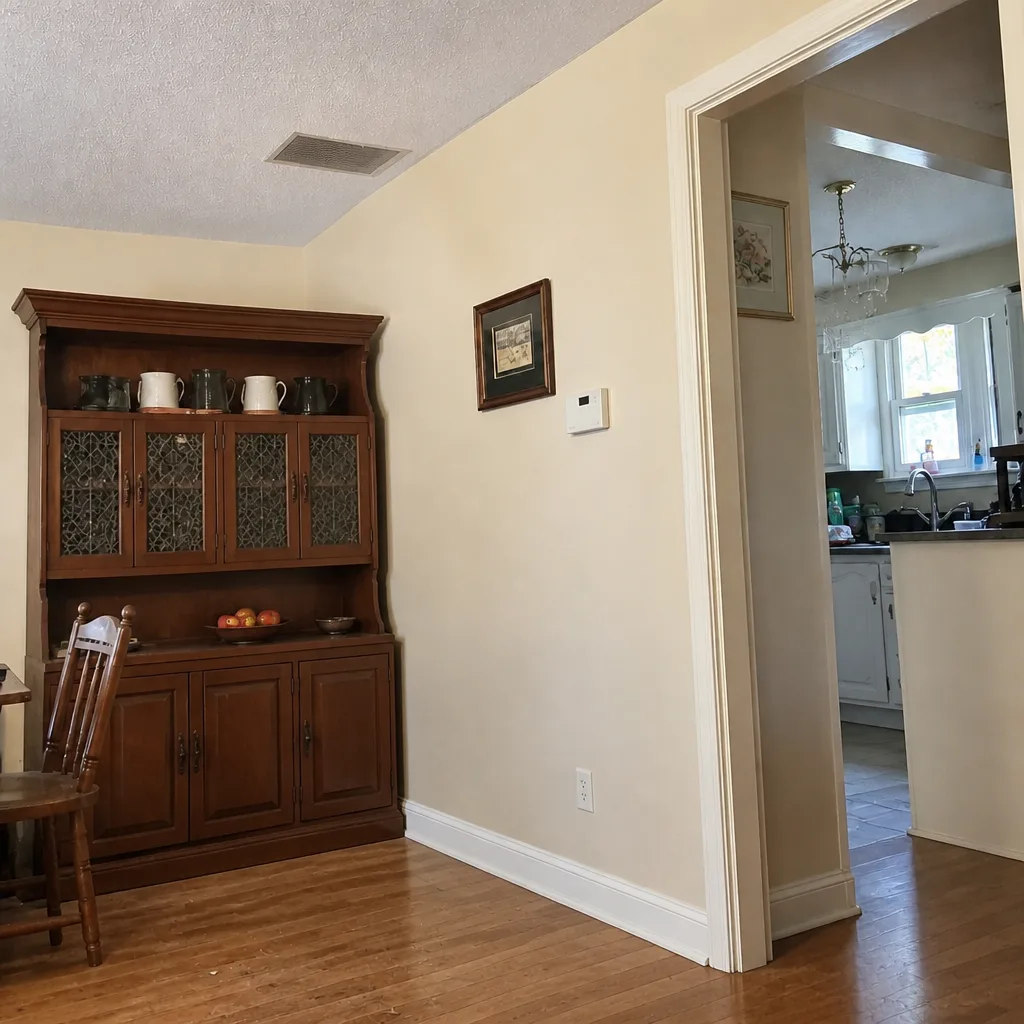 After
The Bottom Line
The DIY-versus-professional question for duct cleaning is a physics question, not a skill question. Consumer vacuums can’t move the air volume or hold the negative pressure needed to pull debris the full length of a run – so the honest split is: surface and inspection work is fine to do yourself, and source removal from the full system needs professional equipment. Five Points homeowners who understand that distinction make better decisions, spend less on repeat attempts, and end up with a duct system that’s genuinely clean rather than clean-looking. If you’ve reached the point where the goal is bigger than the register, that’s the signal to call.
Contact
If you’re weighing DIY against professional air duct cleaning in Five Points and want an honest read on what your system actually needs, call Air Duct Cleaning Five Points at (877) 523-6180 for a free estimate. We answer 24/7. Fast dispatch from 7am to 7pm, Sunday through Friday. We’ll inspect the system, name the equipment we’d use – Rotobrush, Nikro, and Abatement Technologies among them – and give you one flat price per system in writing before any work starts, with before-and-after photos of your own ducts when the job is done. If a repair or sealing is needed, we handle that on the same visit rather than sending you to a second contractor. From the register to the air handler, that’s the whole path, checked in one call.
If your interest is in a broader look at how cleaning and repair fit together, our HVAC cleaning page covers the air handler side of the system, which is where a lot of duct problems actually begin.
Written by the team at Air Duct Cleaning Five Points.