
Last updated November 24, 2026
 Whole-home duct cleaning
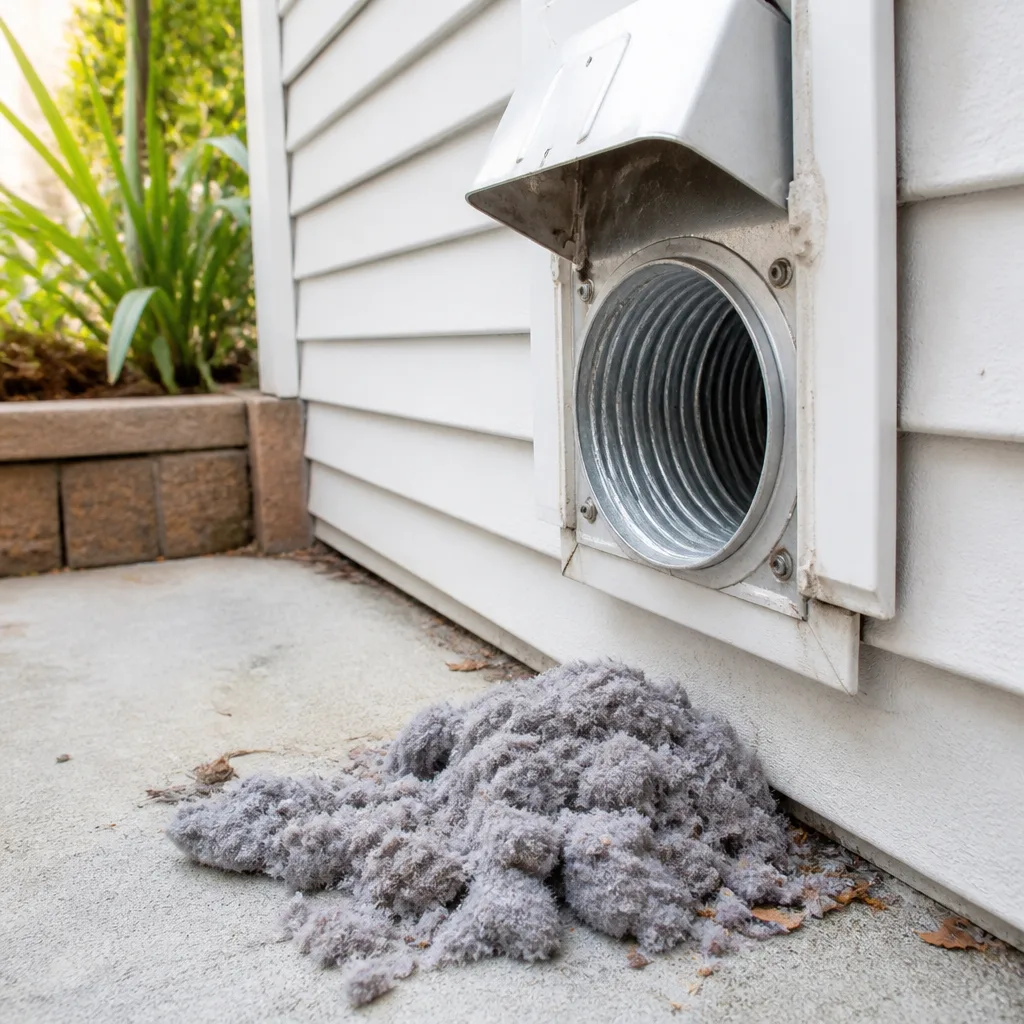 Dryer vent cleaning
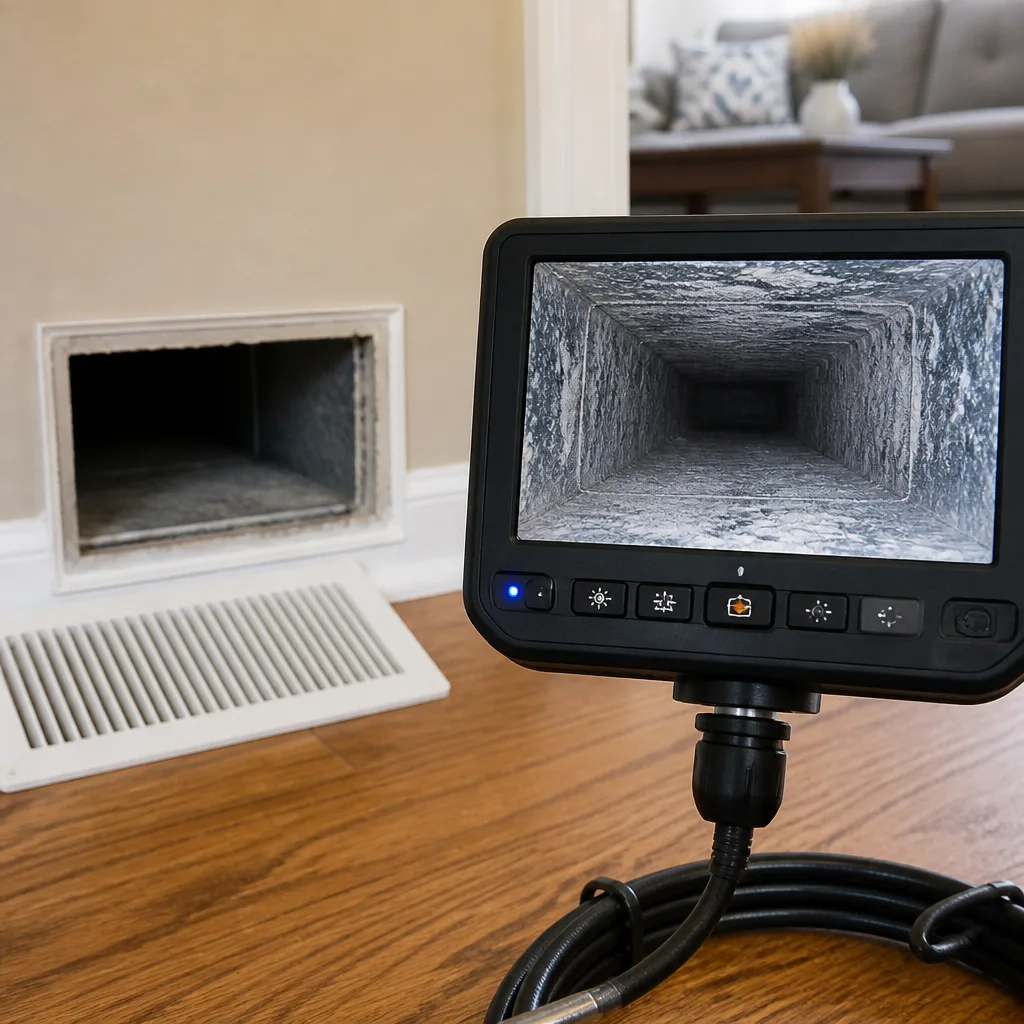 Camera inspection
 Sanitizing & deodorizing
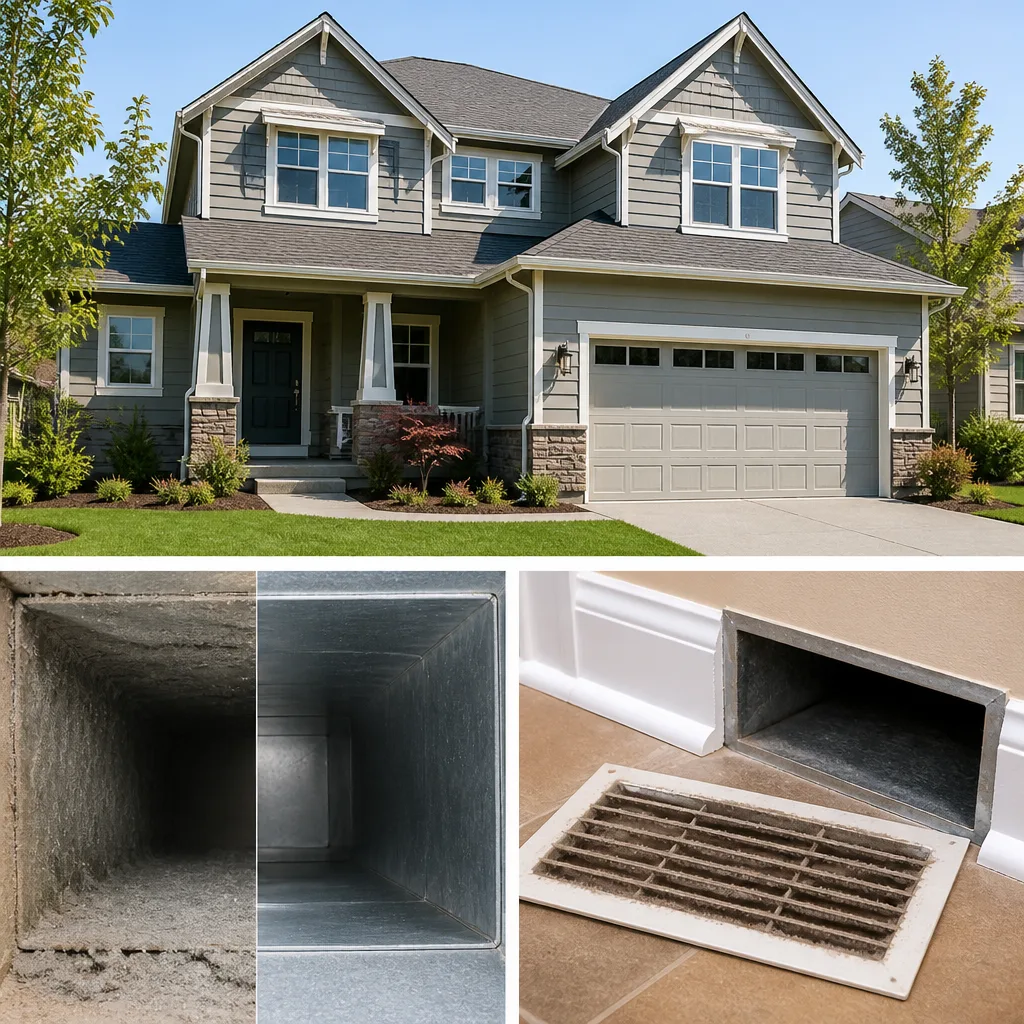
Whole-system duct and dryer vent check with before-and-after photos - you see exactly what came out of your vents
That "$99 whole-house special" is a bait ad - the real number appears once they are in your hallway, or the "clean" is a shop-vac at the register. We photograph the inside of your ducts before and after instead.
Air Duct Cleaning Cost Breakdown: The Five Points Homeowner’s Reference for 2026
Most homeowners judge a duct cleaning quote by the total at the bottom. That’s the wrong number to look at first. The single biggest predictor of whether a quote is fair isn’t the price itself; it’s whether the company can tell you exactly how many access points they’ll cut, what vacuum unit they’re running, and whether the air handler is part of the job. A company that answers those three questions clearly is usually quoting honestly, whatever the total says. A company that dodges them is selling a number, not a service. This guide breaks down what actually drives cost in Five Points, what a low quote is really buying, and how to compare quotes on merit instead of sticker price.
Quick Answer
In Five Points, a legitimate full-system air duct cleaning in 2026 typically runs $350 to $700 for an average home, with larger or heavily contaminated systems reaching $900 to $1,500 when repair, sealing, or coil cleaning is included. The range is wide because scope varies: number of vents, system type, and whether the air handler and coils are cleaned all move the number. A quote under $200 almost never covers a complete job. The written estimate should tell you exactly what’s included before work starts.
Styles & brands we work with
- Whole-home duct cleaning
- Dryer vent cleaning
- Camera inspection
- Sanitizing & deodorizing
Table of Contents
- What Actually Drives the Cost of Air Duct Cleaning
- Realistic Price Ranges for Five Points in 2026
- Flex Duct vs. Rigid Metal: Why System Type Changes the Price
- What Add-On Services Cost and What They Deliver
- What a $99 Quote Is Actually Buying
- The Equipment Behind an Honest Quote
- How to Evaluate a Quote in Five Simple Steps
- How Often You Need It and When to Skip It
What Actually Drives the Cost of Air Duct Cleaning
Duct cleaning isn’t a single action. It’s a sequence of steps, and each step carries real cost. When you understand the components, you can spot which parts a quote includes and which it quietly leaves out. Here is what legitimate pricing is built from.
- Labor hours by system size. A small single-story home with ten vents and a compact layout can be cleaned in a few hours. A two-story home with twenty-plus vents, multiple trunk lines, and tight attic access can take a full day for two technicians. Labor is the largest single line on any honest quote, and it scales directly with the size and complexity of the system.
- Equipment cost and depreciation. Professional truck-mounted or high-capacity portable vacuum rigs, rotary brush systems, and HEPA filtration units carry substantial purchase and maintenance costs. A portion of that cost is baked into every job. Cut-rate operators skip this by using portable shop vacuums that can’t generate enough negative pressure to pull debris out of a long run.
- Consumables. Brushes wear out. Access panels, tape, mastic, and filter media are used on nearly every job. Crews that cut proper access points and seal them correctly back into the ductwork consume real materials. Crews that don’t cut anything save the material and skip the hard-to-reach sections.
- Disposal. Whatever comes out of your ducts has to go somewhere. Debris removal and disposal is part of a complete job, and it’s a cost that shows up on a real estimate.
- Access and setup. Every system is different. Some homes have service panels and easy attic access. Others require cutting new access points into rigid trunk lines or working around finished ceilings. Setup time varies, and it’s an honest reason two similar-looking homes can quote differently.
When you add these up, a fair price for a thorough job in Five Points lands well above the teaser numbers you’ll see in flyers. That’s not padding. It’s the actual cost of doing the work with equipment that can dislodge and capture what’s inside the walls. If you want the full picture of what the service involves, our air duct cleaning page explains the process step by step.
Realistic Price Ranges for Five Points in 2026
These are estimated ranges based on the scope each price tier should cover, not teaser specials. The written estimate you receive sets the final price, and any reputable company will give you that estimate for free before any work begins. Here’s how the numbers break down by system size and scope.
| Service Scope | Typical 2026 Range (Five Points) | What It Should Cover |
|---|---|---|
| Basic single-system cleaning (small home, under 12 vents) | $350 – $550 | Rotary brush agitation, HEPA vacuum extraction, all supply and return vents, access point cuts and resealing |
| Standard home (12 – 20 vents, one air handler) | $500 – $750 | Full supply and return cleaning, air handler cabinet wipe-down, negative-air containment during work |
| Large or multi-system home (20+ vents, two units) | $750 – $1,100 | Both systems, all trunks and branches, containment, sanitizing treatment option |
| Cleaning plus coil cleaning | Add $150 – $350 | Evaporator coil and drain pan cleaning, blower compartment cleaning |
| Cleaning plus duct repair and sealing | Add $200 – $600+ | Sealing disconnected runs, gaps at joints, and leaks found during cleaning |
| Dryer vent cleaning (add-on) | $100 – $175 | Full lint removal from dryer to exterior termination, airflow verification |
Two things to notice. First, the spread within each tier is real and depends on access, contamination level, and system layout. Second, the add-ons are separate because they’re separate work, and a quote that lumps them together without naming them usually means one of them is being skipped. For a system that includes whole-home filtration or a purifier install, our HVAC cleaning page covers how that fits into a single visit.
Flex Duct vs. Rigid Metal: Why System Type Changes the Price
Not all ductwork cleans the same way, and the difference in tooling affects what a fair quote looks like. Five Points has a mix of older homes with rigid metal systems and newer builds that lean on flex duct, and each has its own handling requirements.
Flex duct is the corrugated, flexible line common in newer construction. It’s efficient to install and routes through tight spaces easily, but it’s more delicate. Aggressive brushing can damage the inner liner. Cleaning flex properly calls for lower-pressure rotary tools, careful agitation, and sometimes replacement of runs that are crushed or torn beyond cleaning. Because flex systems often have more branches and fewer accessible trunks, they can take longer to clean than they look like they should.
Rigid metal ductwork, common in older Five Points homes, is durable and tolerates stronger mechanical agitation. But it also tends to have more joints, more sealant failures, and sometimes disconnected sections hidden behind drywall. Cleaning metal properly often means cutting additional access points to reach every run, which adds setup time and materials. It also means any leaks or gaps found during cleaning can be sealed on the spot.
Here’s why this matters for pricing: a company that only stocks one type of brush and one pressure setting will either over-clean flex or under-clean metal. If a quote seems unusually low and the company hasn’t asked what kind of ductwork you have, that’s a signal they’re not planning to adjust their method to your system. Our team runs rotary brush systems that can be tuned for both, which is one reason we can give an honest scope before we arrive. Homeowners wanting to understand Air Duct Cleaning Five Points services can see how the full menu fits together.
What Add-On Services Cost and What They Deliver
Add-ons get a bad reputation because they’re often sold without explanation. Priced and explained honestly, most of them deliver real value. Here’s what each one costs and, more importantly, what it actually does.
- Coil cleaning ($150 – $350). The evaporator coil is where air passes over cold metal and where moisture, dust, and biological growth collect. Dirty coils reduce cooling efficiency and can contribute to musty odors. Cleaning the coil is a distinct job from cleaning the ducts, and it’s often where the smell actually lives. If your system smells musty when it starts, coil cleaning is the fix, not duct cleaning alone.
- Dryer vent cleaning ($100 – $175). Lint accumulation in a dryer vent is the leading cause of dryer fires, and it’s a job every home should have done periodically. This is separate from duct cleaning. We handle it in the same visit through our dryer vent cleaning service, which saves a second appointment.
- Sanitizing treatment ($75 – $200). After cleaning, a sanitizer application treats the surfaces inside the ductwork and air handler. It’s most useful when there’s been moisture intrusion, visible biological growth, or a persistent odor that cleaning alone didn’t resolve. It’s not a substitute for cleaning; it’s a treatment applied after cleaning.
- Duct repair and sealing ($200 – $600+). This is the add-on that most often pays for itself. Leaky ducts lose conditioned air into attics and crawlspaces, which drives up energy bills and causes uneven room temperatures. Sealing gaps, reconnecting separated runs, and closing joint leaks found during cleaning is the rare home improvement that addresses both comfort and cost. We do this in-house, so a leak found mid-job doesn’t mean scheduling a second contractor.
For a home with allergies or a chronic dust problem, the combination of cleaning plus coil cleaning plus sealing usually delivers more improvement than any single service. The key is that each one is quoted separately and explained before work starts.
What a $99 Quote Is Actually Buying
A $99 duct cleaning is not a discount on a full job. It’s a different, much smaller job sold under the same name. Understanding what gets cut to hit that number is the fastest way to protect yourself from a bait-and-switch invoice.
To deliver a $99 job profitably, a company has to reduce time, equipment, and scope. Typically that means some combination of the following:
- Portable shop-vac-style extraction. A small vacuum can’t generate enough negative pressure to pull debris from deep inside a long trunk line. It cleans what’s near the register and leaves the rest.
- No mechanical agitation. Without a rotary brush, debris stuck to duct walls stays stuck. A vacuum alone doesn’t dislodge it.
- Register-only cleaning. The visible vent cover gets wiped, the first few inches of duct get vacuumed, and the rest of the system is untouched.
- No access points cut. Reaching the trunk lines and the air handler requires cutting access. Skipping that step means most of the system is never seen.
- No containment. Without negative-air containment, dislodged dust spreads into the living space during cleaning, which is the opposite of the goal.
- Upsell pressure. The low price is the hook. Once on-site, the technician finds “problems” that require additional charges, and the final invoice looks nothing like the advertised number.
That’s the gap. A fair Five Points quote covers real equipment, real time, and real scope. A teaser price covers a fraction of that and relies on the homeowner not knowing the difference. The good news is that the difference is easy to spot once you know what to ask, and the questions are the same ones that separate a $350 honest job from a $1,500 padded one.
The Equipment Behind an Honest Quote
Equipment is where the cost difference lives, so it’s worth knowing what the actual tools are. You don’t need to become an equipment expert, but recognizing the names and what they do tells you whether the company quoting you is set up for a real job.
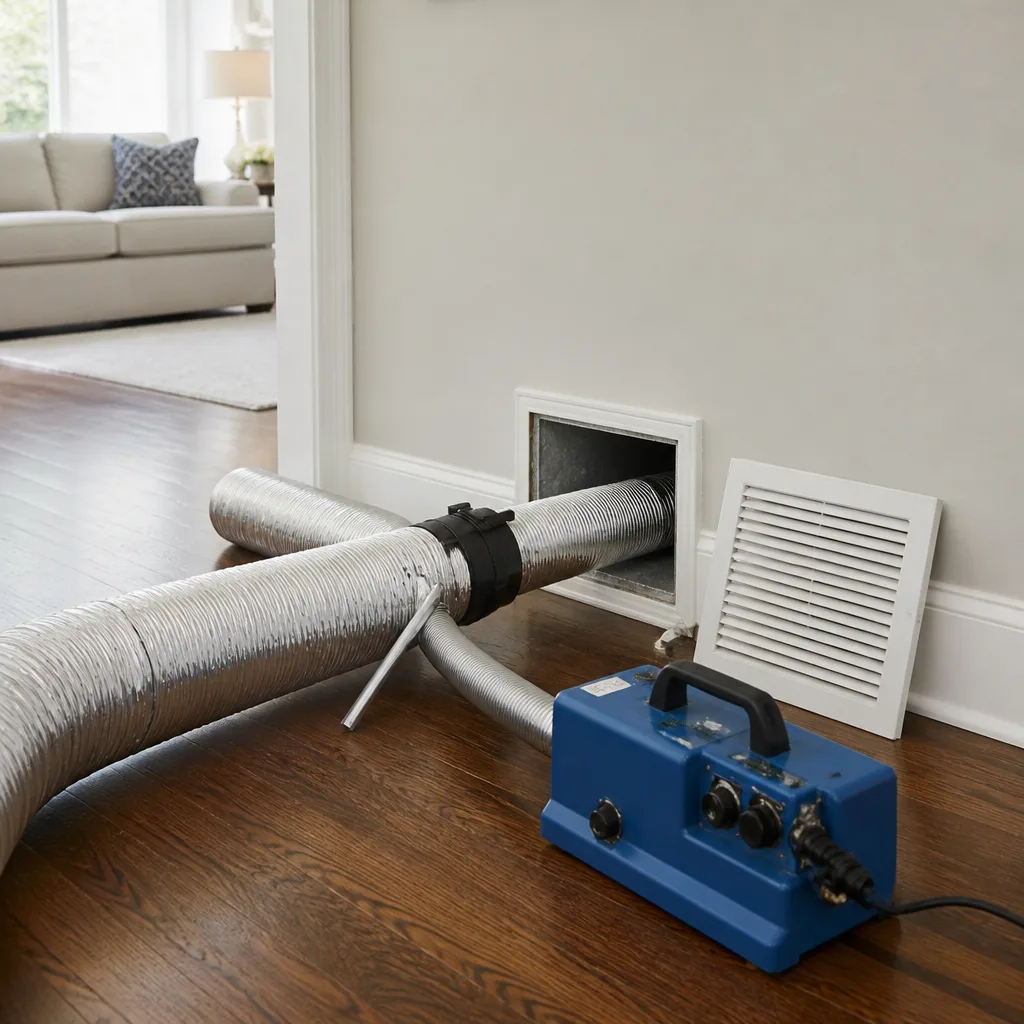
Our crews run Rotobrush rotary brush systems, which physically agitate the duct walls with a spinning brush head. That mechanical action is what dislodges debris attached to the duct surface, the stuff a vacuum alone can’t move. Once dislodged, the debris is captured by Nikro HEPA-rated vacuum equipment, which traps fine particulates and prevents them from being redistributed through the home during cleaning. Mechanical agitation plus HEPA extraction is the core process, and it’s a meaningfully different standard than a portable vacuum and a wipe-down.
Containment is the other half. We use Abatement Technologies air filtration units to establish negative-air pressure during cleaning, which keeps the work area under controlled pressure so dust moves toward the filtration unit rather than into your living room. This is a containment standard borrowed from professional remediation work, and it’s not typical of residential duct cleaning outfits. In a Five Points home where an attic air handler sits above a bedroom, that containment matters.
Beyond cleaning, we work with Aprilaire and Honeywell product lines for whole-home air quality upgrades, so if the cleaning reveals a filtration or humidity gap, we can recommend a system that addresses it. You can see the full equipment and service scope through our main service overview. The point is not the brand names. It’s that each one solves a specific problem, and a company that can name its tools can tell you exactly what your job will include.
How to Evaluate a Quote in Five Simple Steps
When the quotes are in front of you, run each one through these steps. A company that passes all five is quoting on merit, whatever the total.
- Ask how many access points they’ll cut and where. A real answer includes a number and locations (trunk line, plenum, air handler). A vague answer (“we’ll see when we get there”) usually means no access points are planned.
- Ask what vacuum unit they’re using. They should name the equipment and describe the extraction method, ideally mechanical agitation plus HEPA capture. “High-powered vacuum” without a name is a red flag.
- Ask whether the air handler and coils are included. The air handler is where the air actually meets the equipment. Cleaning ducts but skipping the handler leaves the main source of contamination untouched. Get a yes or no in writing.
- Ask for the written estimate with scope and price broken out. Line items should show vents, handler, add-ons, and any repair separately. A single lump number with a coupon attached is not an estimate.
- Ask about containment and cleanup. A company using negative-air filtration will tell you so and explain how the work area is protected. If the answer is “we’re careful,” that’s not containment.
Run these five questions past each quote, and the gap between them usually narrows fast. The low quote reveals its missing scope, and the high quote either justifies its line items or doesn’t.
How Often You Need It and When to Skip It
Duct cleaning is not an annual necessity for every home, and no honest company will tell you it is. The right interval depends on the home, the occupants, and what’s happening in the system. Here’s a practical framework.
- Every three to five years for most homes, assuming no other issues. If your ducts were cleaned, sealed, and the filters are changed regularly, you likely don’t need it sooner.
- Sooner if you’ve had renovation work. Drywall dust, sawdust, and construction debris settle into ductwork and travel through the system for months afterward. Cleaning after a major remodel makes sense.
- Sooner if you’ve had water intrusion or visible mold. Moisture in ductwork needs assessment, and cleaning plus sanitizing is the right response once the moisture source is addressed.
- Sooner if you notice symptoms. Persistent dust after cleaning the house, musty odors at system startup, uneven airflow between rooms, or increased allergy symptoms indoors are all reasons to have the system inspected.
- Skip it if your system is new and clean. A home built recently with well-sealed ductwork and a clean air handler likely doesn’t need a full cleaning yet. An inspection can confirm.
In Five Points, the mix of older homes and recent builds means the right answer varies block by block. The best move is an inspection that tells you honestly whether cleaning is warranted. If it isn’t, you should hear that.
Common Mistakes to Avoid
- Choosing on price alone. The cheapest quote is usually the smallest scope. Compare what each quote includes before comparing totals, or you’re pricing two different services against each other.
- Not asking what “the whole system” means. Some companies count only supply vents, not returns. Some skip the air handler. Define the scope in writing before you agree.
- Falling for the coupon-then-upsell pattern. A teaser price that balloons once the technician is on-site is the industry’s most common bait-and-switch. Ask for a written estimate with line items and hold the company to it.
- Assuming a sealed system stays sealed. Ductwork connections loosen over time, especially in attics that see temperature swings. If a company finds a disconnected run, fixing it on the same visit saves a second contractor and a second appointment.
- Skipping the air handler because the quote didn’t mention it. The handler and coil are often where the actual contamination lives. A quote for “ducts only” can leave the main problem in place.
- Ignoring the dryer vent. It’s a separate system with a real safety concern. If your last cleaning was years ago, have it checked in the same visit rather than waiting for the dryer to stop heating properly.
- Not asking for before-and-after photos. A legitimate job can show you what came out of your system. A company that can’t produce photos probably didn’t reach the parts worth photographing.
See the difference
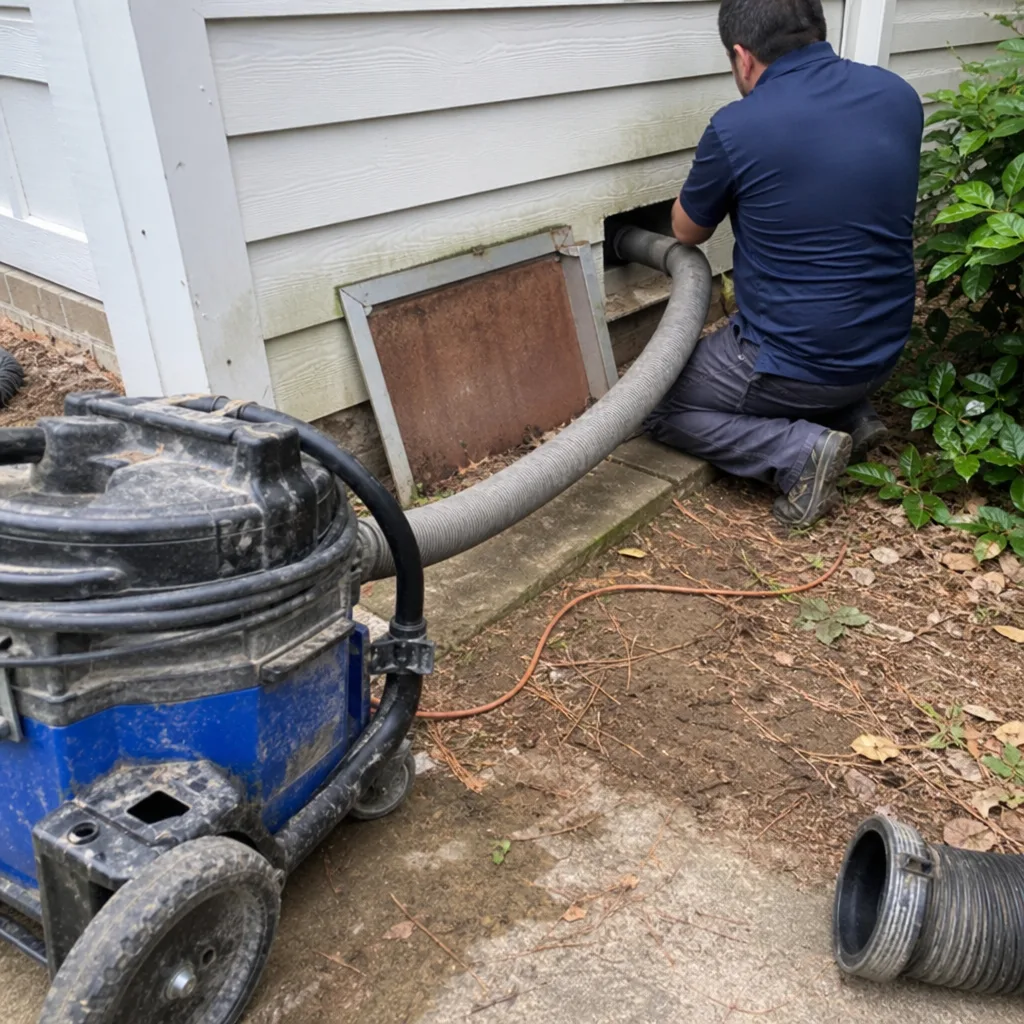 Before
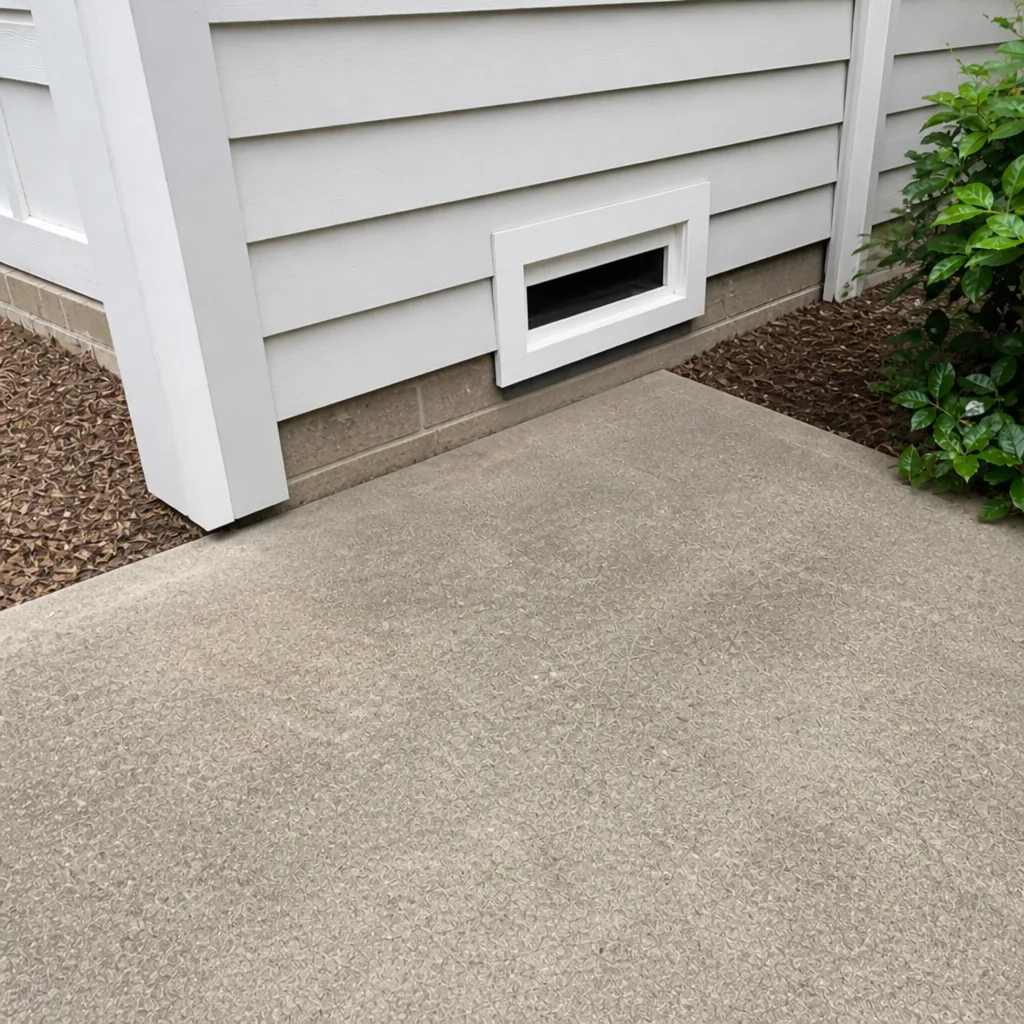 After
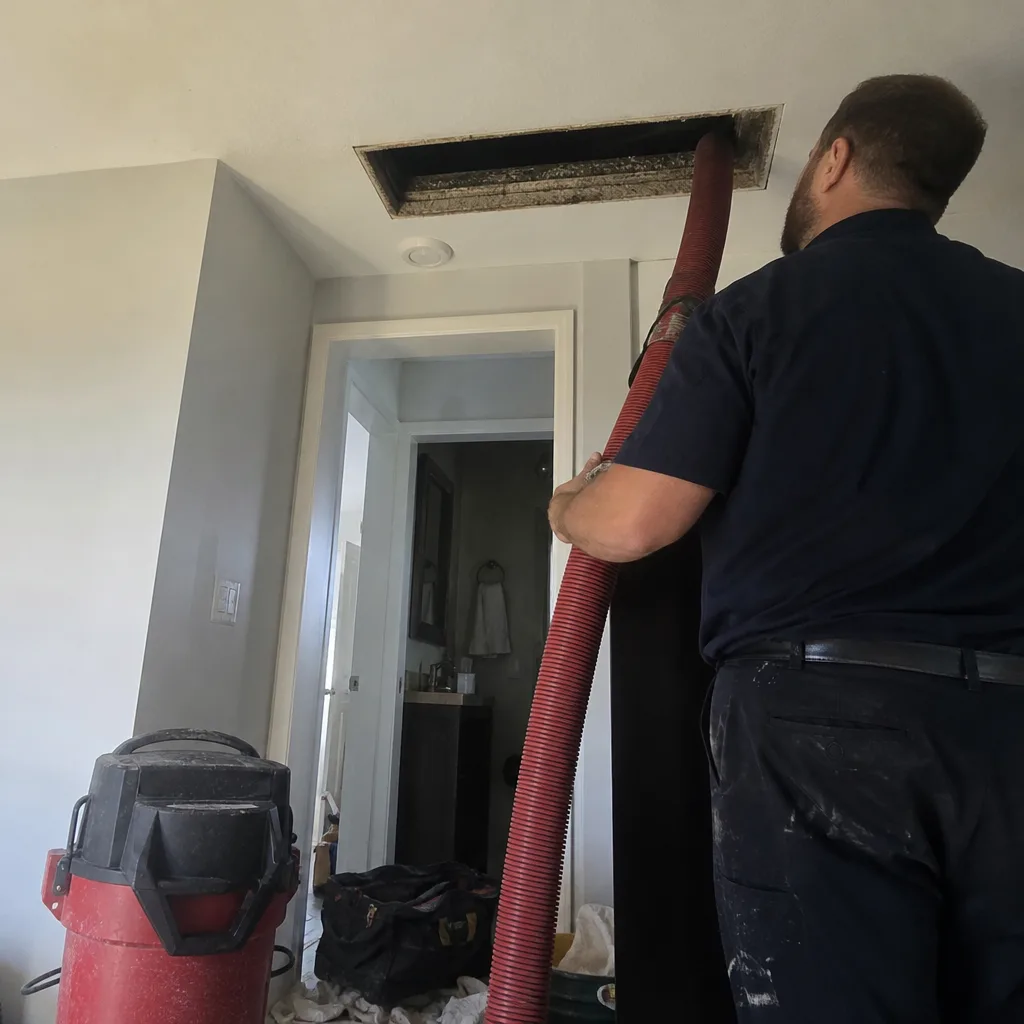 Before
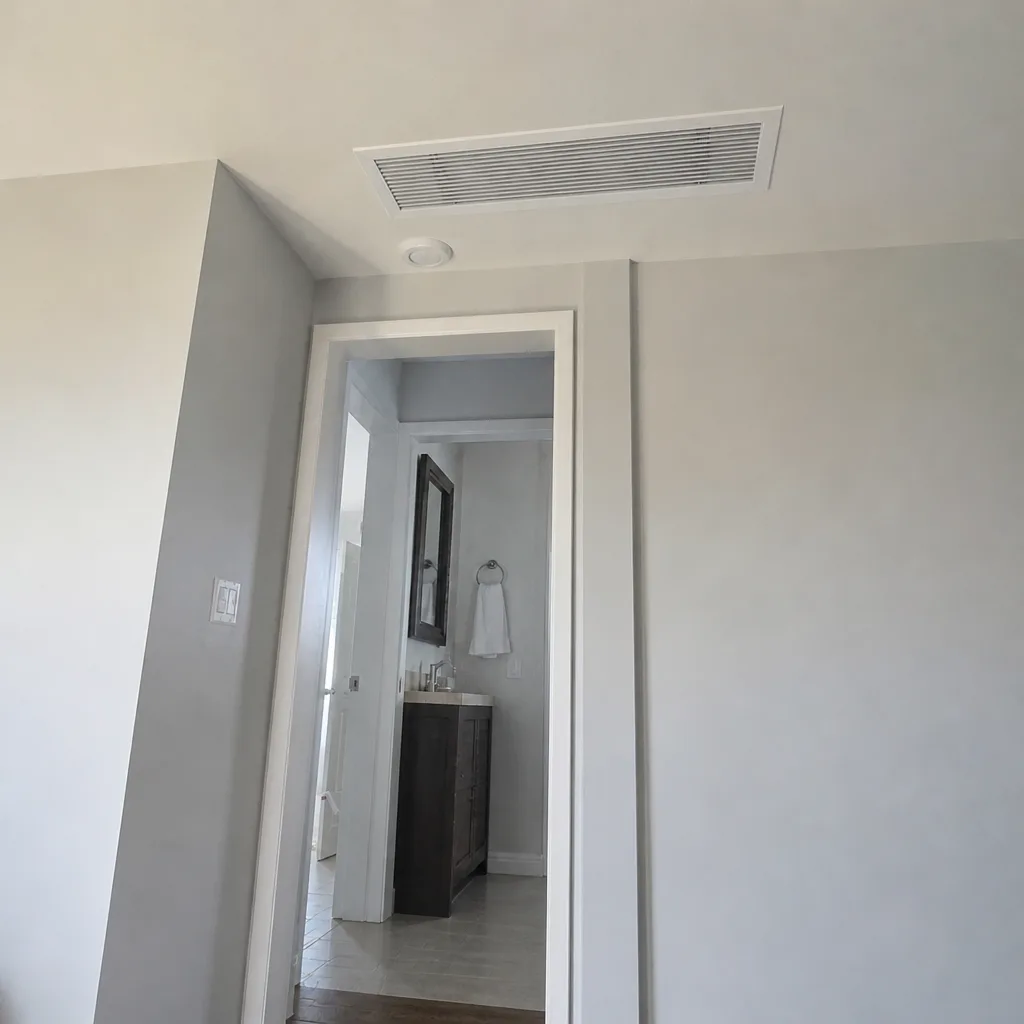 After
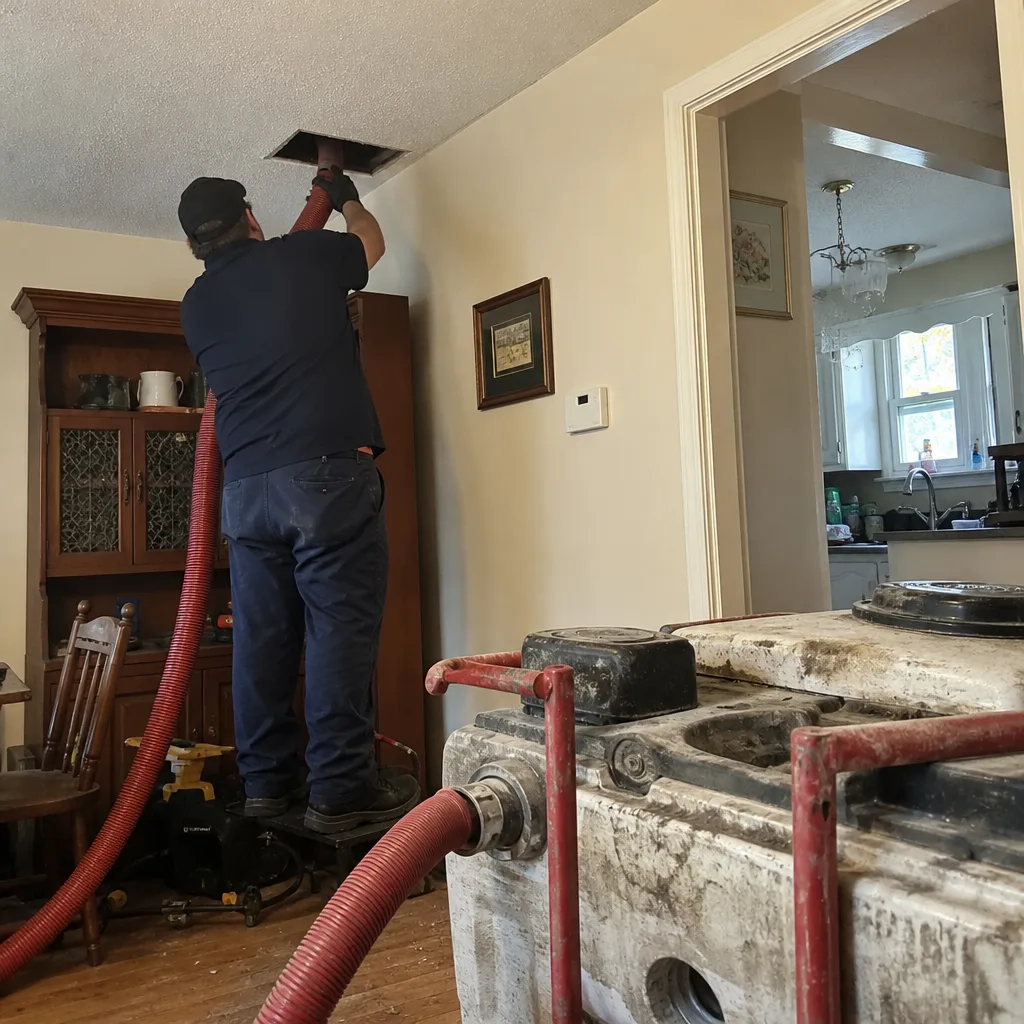 Before
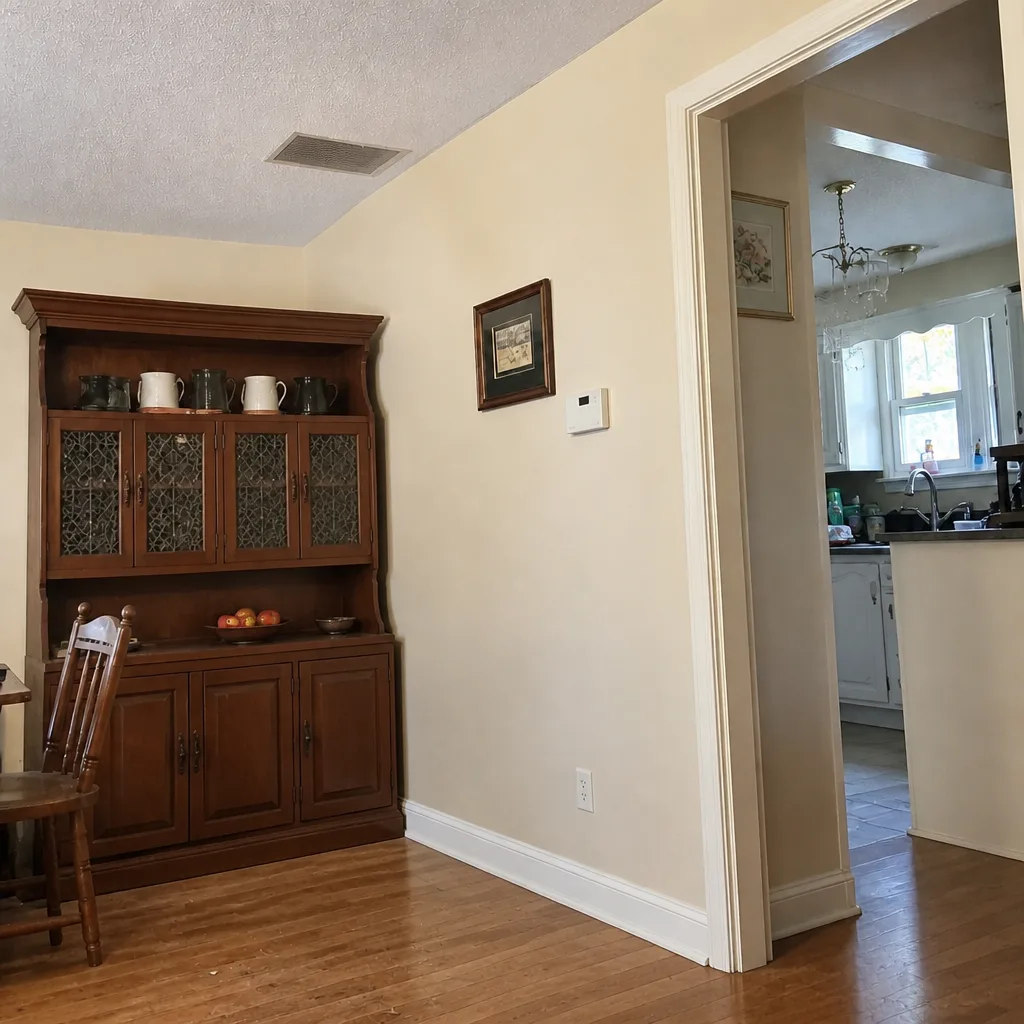 After
When to Call a Professional
Some signs are worth a call rather than a wait-and-see. If you see visible dust blowing from registers when the system starts, notice musty odors that don’t go away after changing filters, or find uneven airflow between rooms that simple damper adjustments don’t fix, the system needs inspection. Persistent allergy symptoms that improve outside the home also point to indoor air. And if you’ve recently finished a renovation, had water intrusion, or found evidence of rodents, it’s worth getting the ductwork assessed before running the system further. Ductwork in finished ceiling cavities and attic spaces is not a safe place to investigate without the right equipment; reach out instead of crawling through it yourself. Air Duct Cleaning Five Points offers free estimates in Five Points; call (877) 523-6180 to schedule one. We answer 24/7, and fast dispatch runs from 7am to 7pm, Sunday through Friday. The local pro we connect you with is licensed and insured as the state requires, and the estimate sets the price before any work starts.
Frequently Asked Questions
For an average home, expect $350 to $700 for a full-system cleaning, with larger or more complex systems reaching $900 to $1,500 when repair, sealing, or coil cleaning is included. The written estimate sets the final price, and any legitimate company provides that estimate for free. Call (877) 523-6180 for an exact quote.
A quote under $200 almost always means a smaller scope: no access points cut, portable vacuum instead of professional equipment, and register-only cleaning. The low price is real, but so is the limited work. Compare quotes on what’s included, not on the total. Call (877) 523-6180 and we’ll walk you through what each line item should cover.
Ask for before-and-after photos of your own system, not stock images. A legitimate job can show you the access points cut, the debris removed, and the cleaned ductwork. We provide photos of the work completed. Call (877) 523-6180 to schedule a free estimate.
Every three to five years for most homes, sooner after renovations, water intrusion, or when you notice dust, odors, or uneven airflow. A clean, well-sealed system in a newer home may not need it yet, and an honest inspection tells you that. Call (877) 523-6180 and we’ll inspect before recommending.
Often yes, because older rigid metal systems tend to have more joint failures and disconnected runs that let conditioned air escape. Cleaning plus sealing addresses both the dust and the leakage, which is where the comfort and efficiency gains come from. Call (877) 523-6180 for a free estimate.
Yes. Duct repair and sealing are part of our in-house service menu, so a leak found mid-job gets fixed on the same visit instead of requiring a second contractor and a second appointment. Call (877) 523-6180 and we’ll include repair in the written estimate.
The Bottom Line
The fair price for duct cleaning in Five Points isn’t a single number; it’s a scope. A $350 job and a $1,500 job can both be honest if they cover what the price says. What separates a real quote from a teaser is whether the company can tell you how many access points they’ll cut, what equipment they’re using, and whether the air handler is included. Ask those questions, get line items in writing, and judge on what’s covered. If the answer is specific, the price is probably fair. If it isn’t, walk away. Call (877) 523-6180 for a free estimate with the scope spelled out before any work starts. We answer 24/7. Fast dispatch from 7am to 7pm, Sunday through Friday. Our technicians have up to 10 years of experience, and the local pro is licensed and insured as the state requires.
Written by the team at Air Duct Cleaning Five Points.