
Last updated November 24, 2026
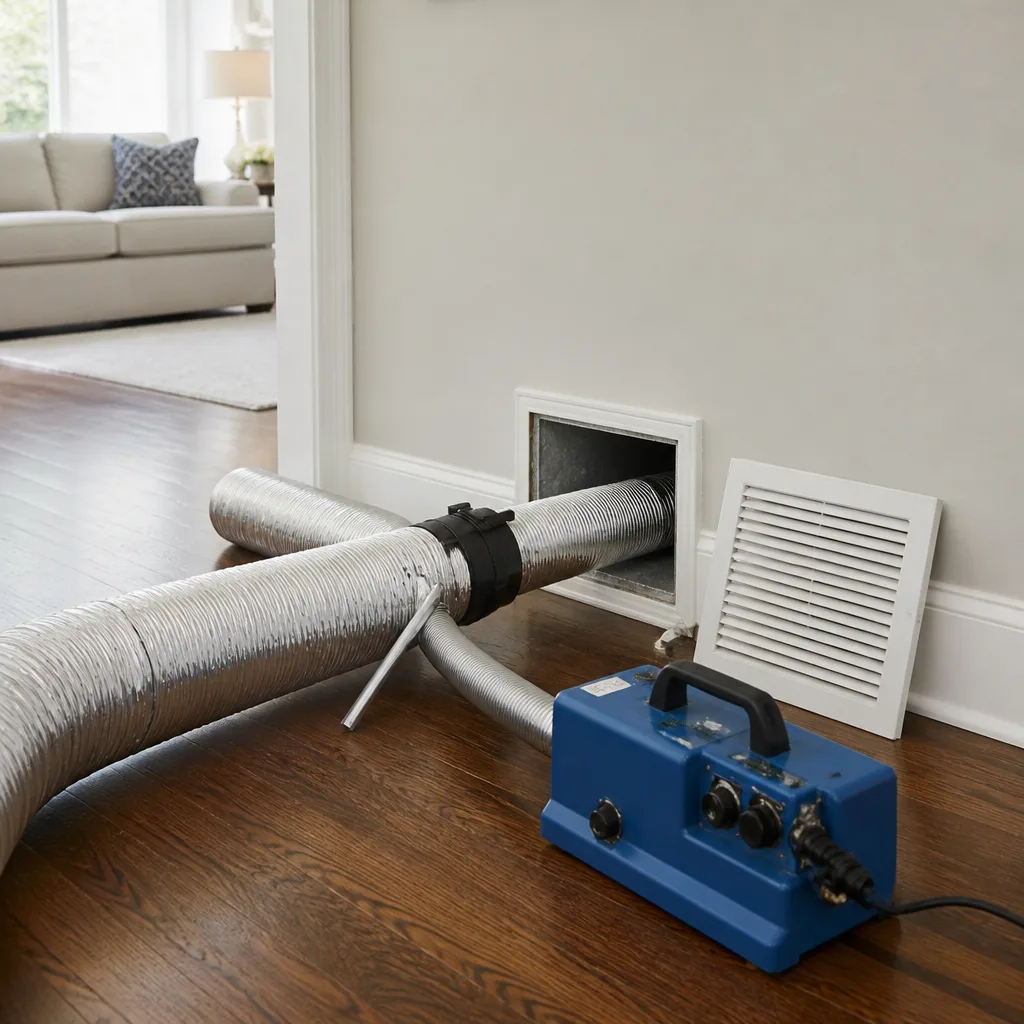
 Whole-home duct cleaning
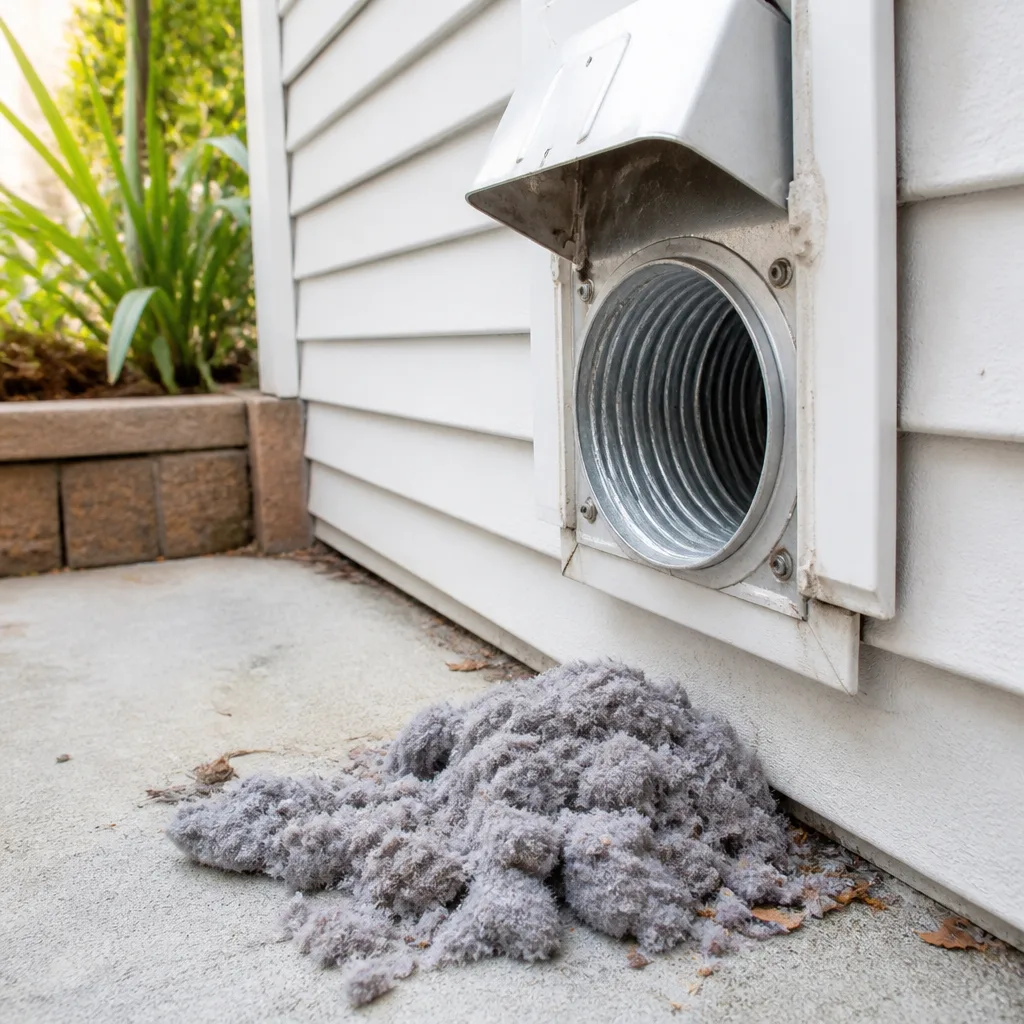 Dryer vent cleaning
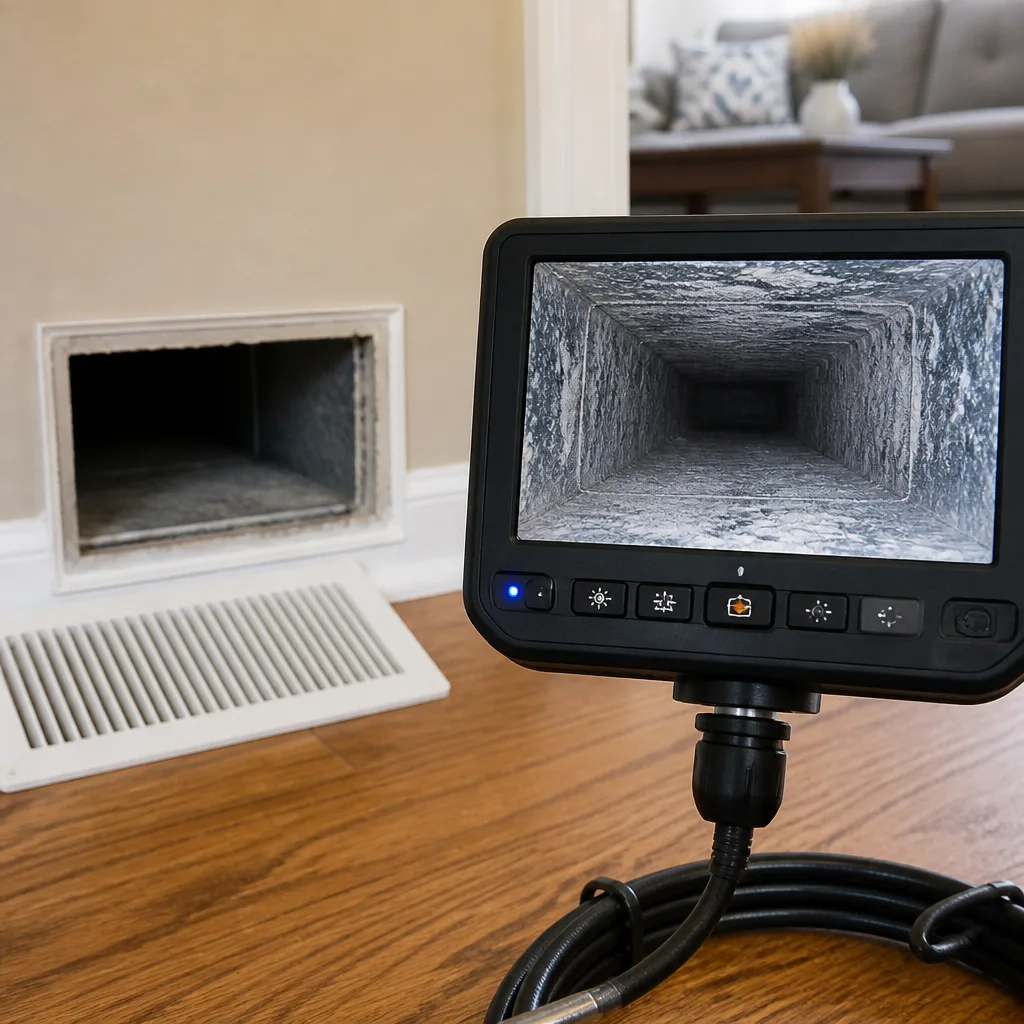 Camera inspection
 Sanitizing & deodorizing
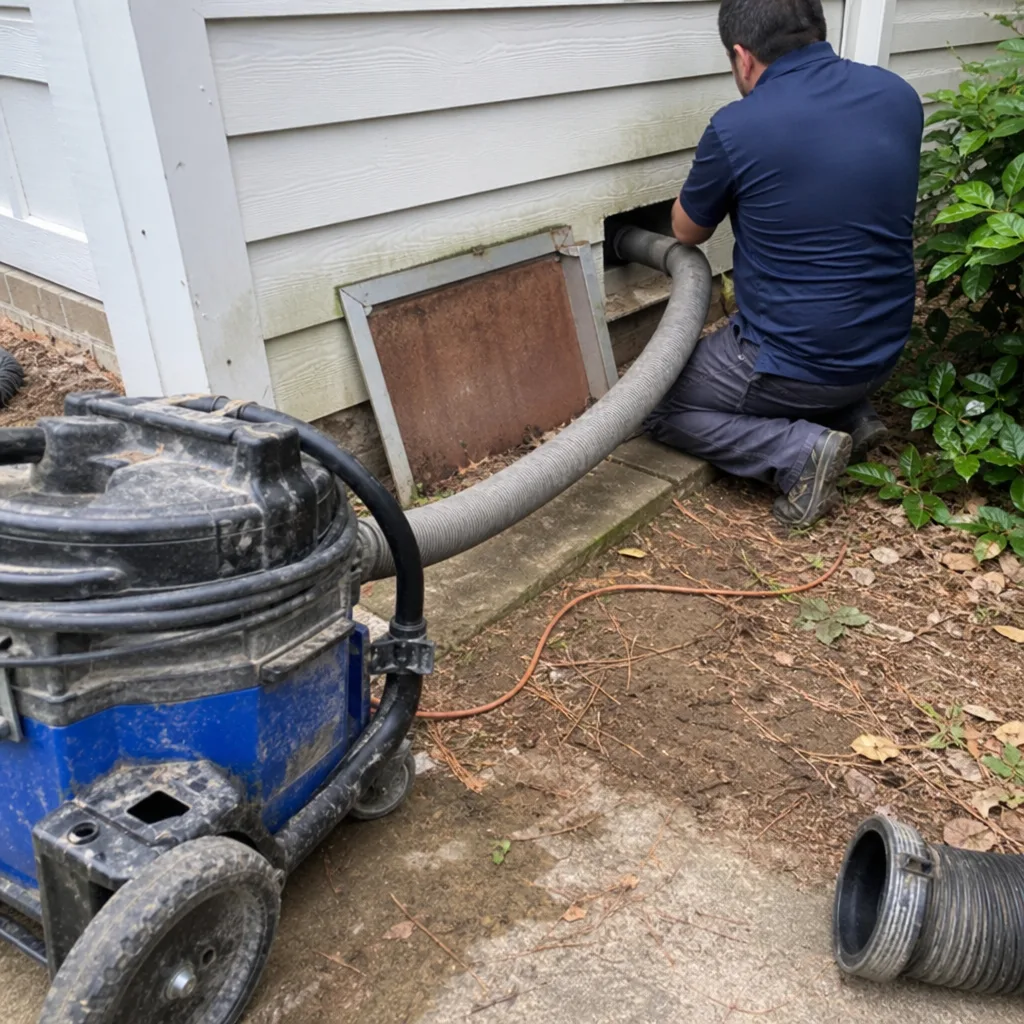
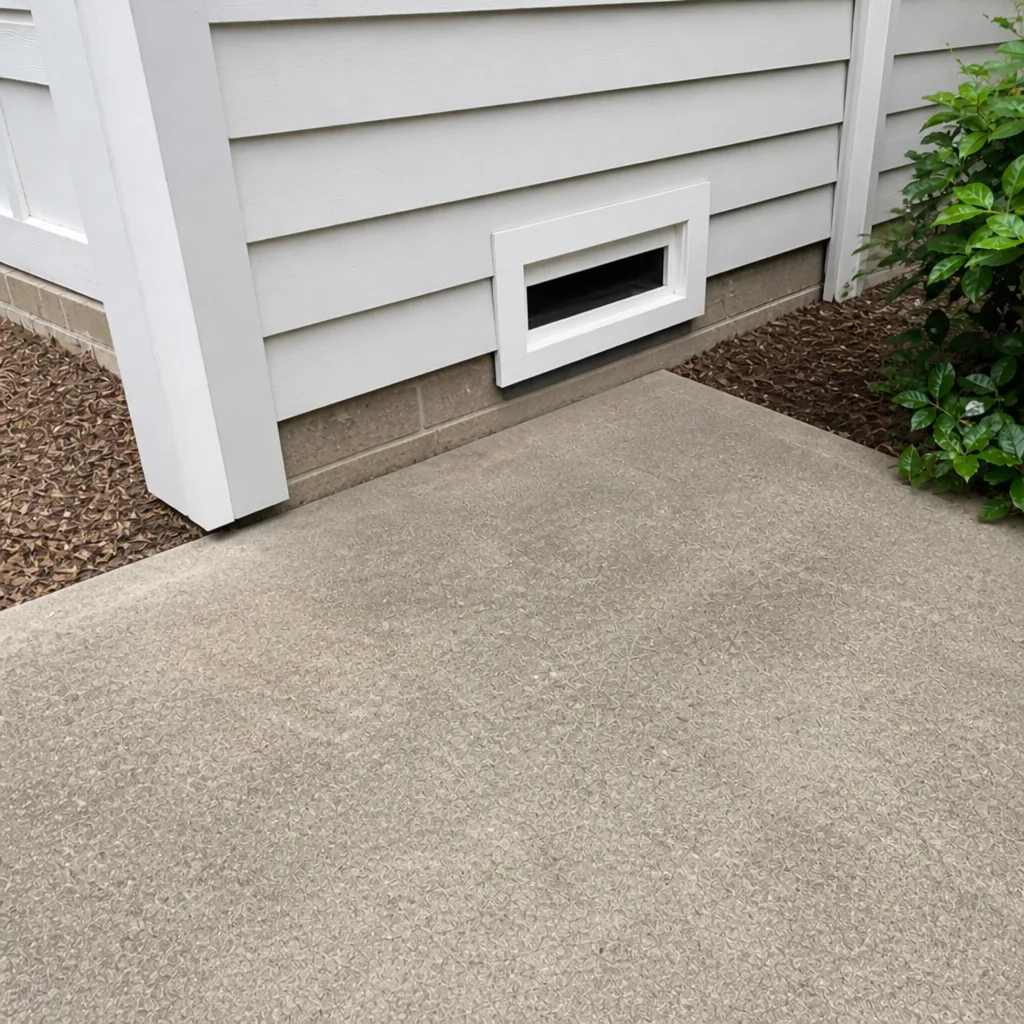
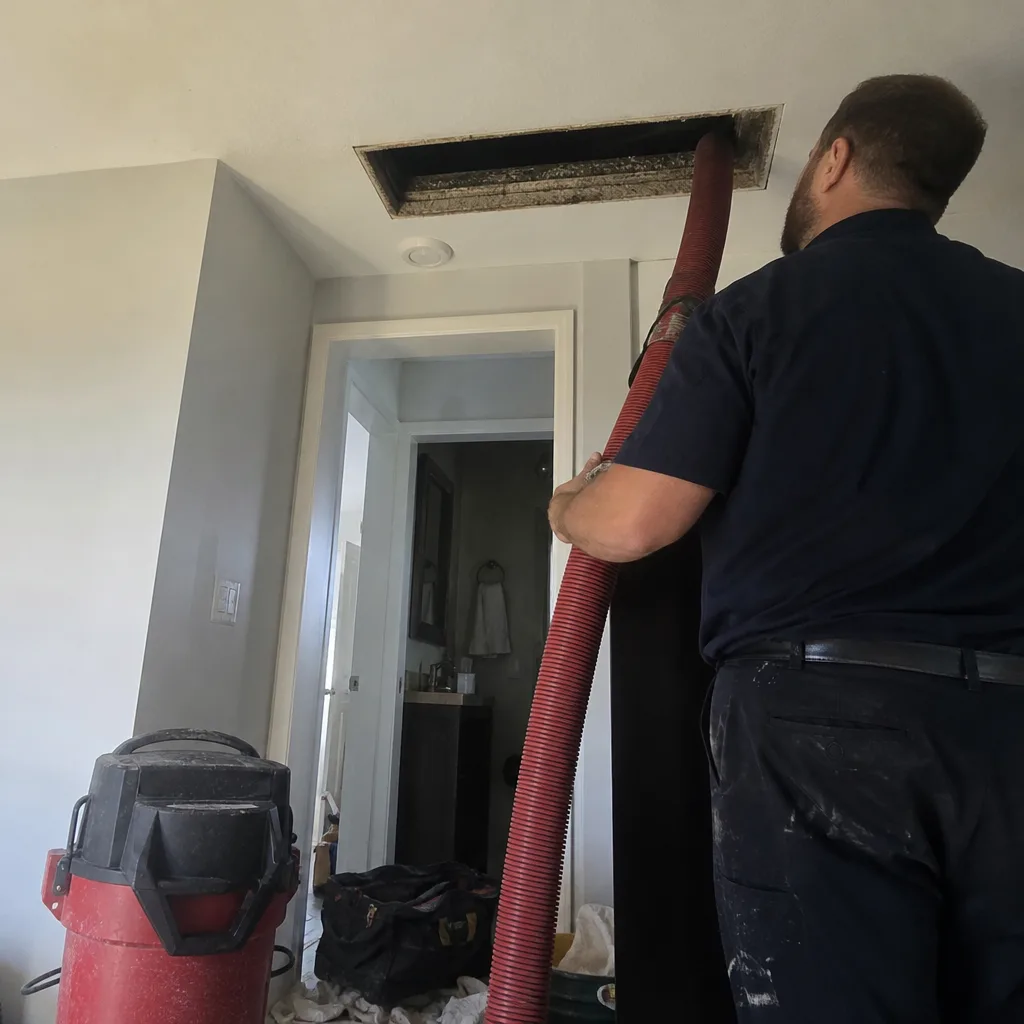
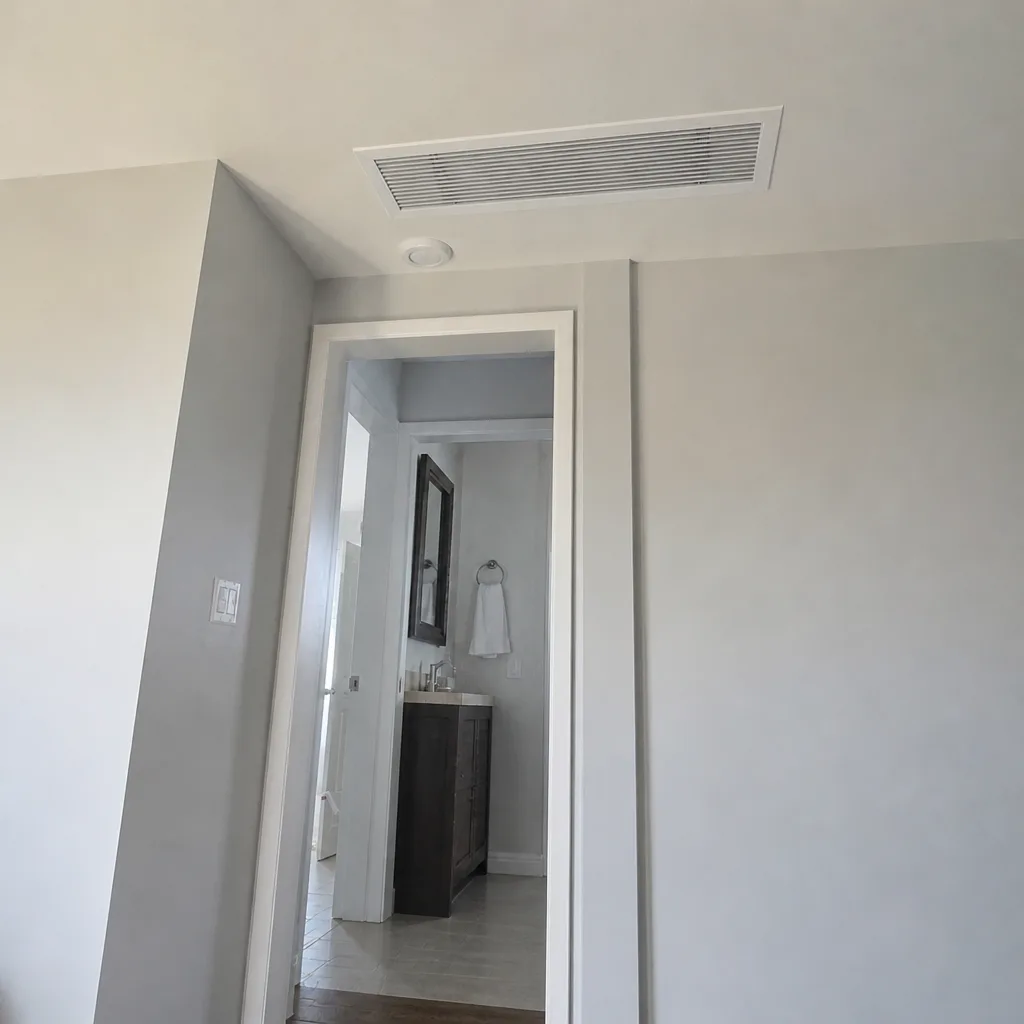
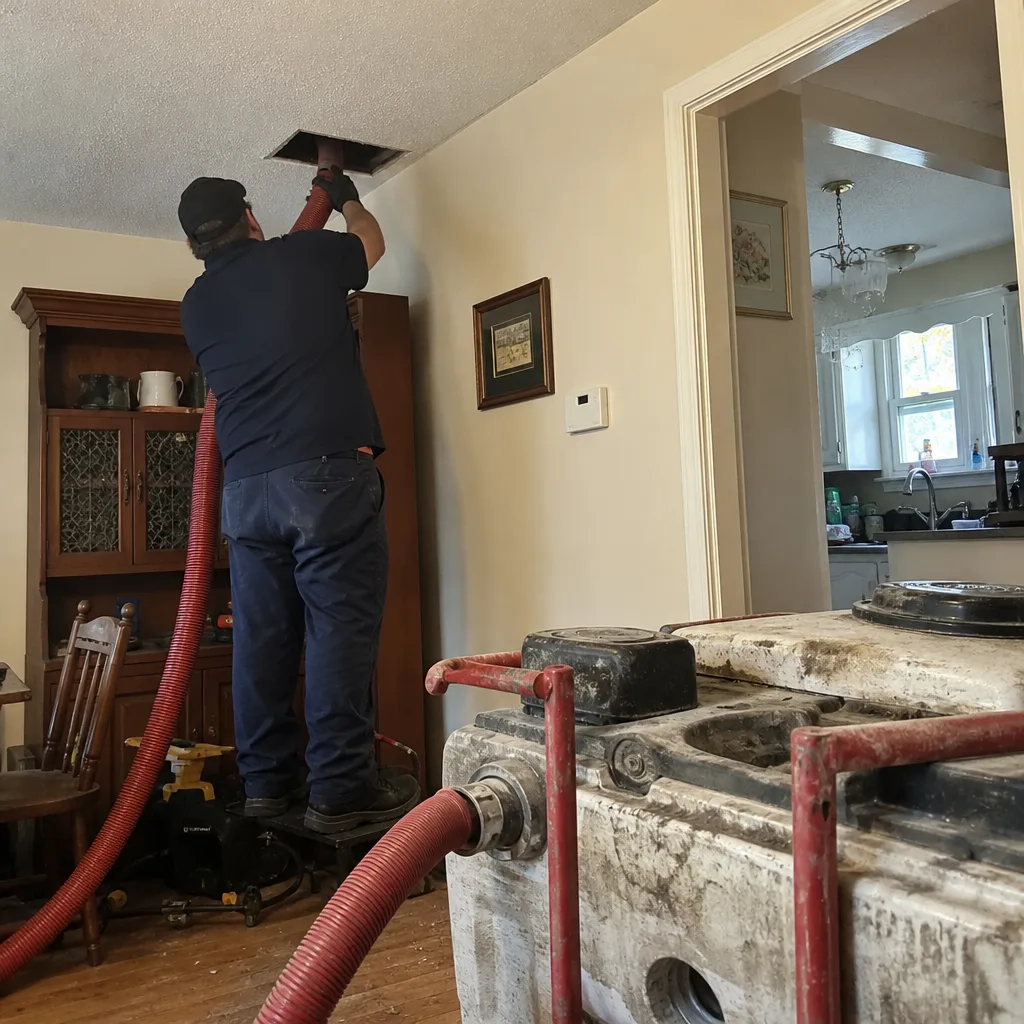
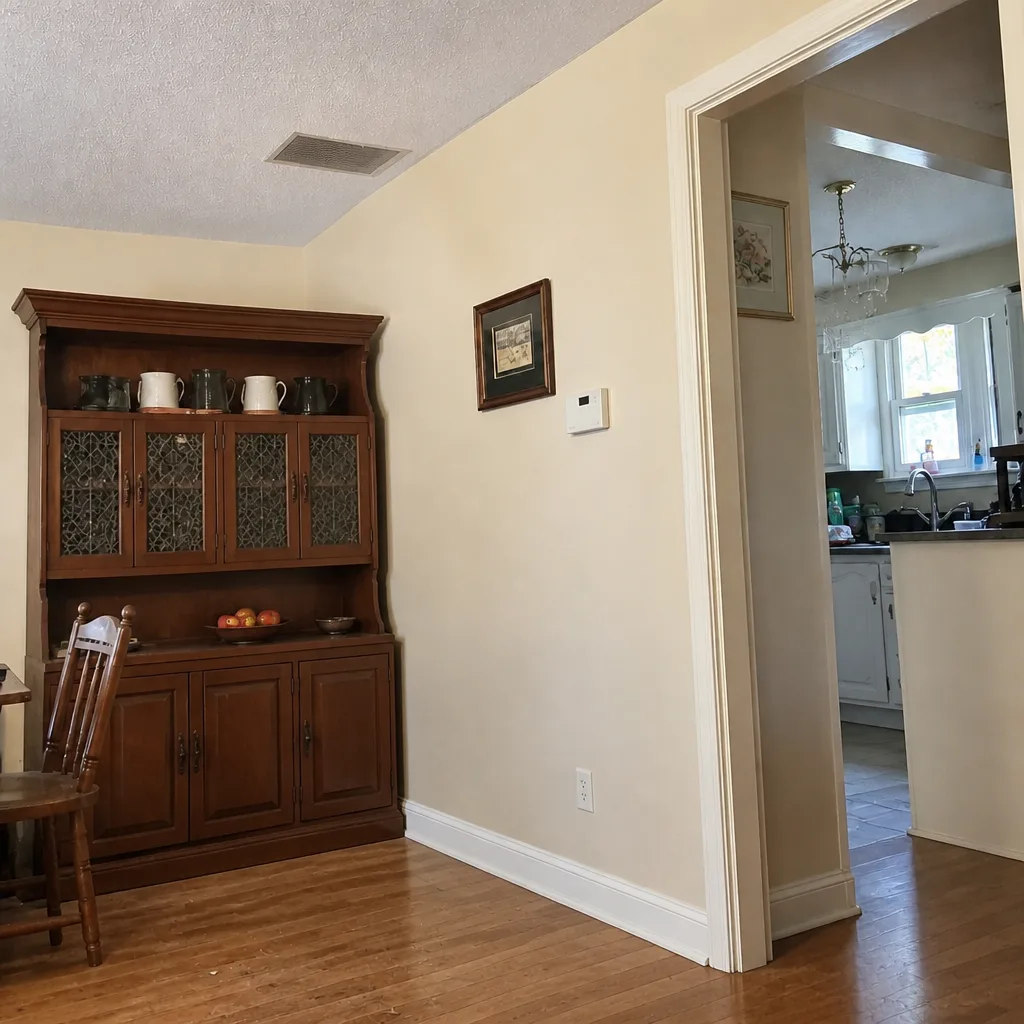
Whole-system duct and dryer vent check with before-and-after photos - you see exactly what came out of your vents
That "$99 whole-house special" is a bait ad - the real number appears once they are in your hallway, or the "clean" is a shop-vac at the register. We photograph the inside of your ducts before and after instead.
Air Duct Cleaning Warning Signs: A Five Points Homeowner’s Reference Guide
Most homeowners in Five Points wait for dramatic evidence before they think about their ducts: a puff of dust from a register, a dark stain on the ceiling, a smell they can’t place. The truth is quieter than that. The real warning signs are performance changes you feel before you see anything. A bedroom that used to warm up in ten minutes now takes thirty. The return grille hums a little differently. One side of the house never quite catches up. In this guide we’ll walk through the subtle signals a duct system sends, what mechanical problem each one usually points to, and how to tell a monitoring situation from a call-a-professional-this-week situation.
Quick Answer
The main warning signs of a duct problem are uneven heating and cooling between rooms, musty or stale odors when the system starts, visible dust returning within days of cleaning, a whistling or thumping sound from returns, short cycling, and a seasonal energy bill that climbs without a matching change in weather. Most of these point to a specific cause inside the airflow pathway, not to a failing furnace or air conditioner.
Styles & brands we work with
- Whole-home duct cleaning
- Dryer vent cleaning
- Camera inspection
- Sanitizing & deodorizing
Table of Contents
- Symptom-to-Cause Map: What Your System Is Telling You
- Uneven Heating and Cooling Between Rooms
- Musty Odors and What They Reveal
- Excess Dust, Return Leaks, and Filter Seating
- Short Cycling and Airflow Restriction
- What the Registers Show You
- Using Your Energy Bill as a Diagnostic Tool
- Monitor vs. Call This Week: A Decision Framework
Symptom-to-Cause Map: What Your System Is Telling You
Here’s the single most useful thing to understand about duct problems: nearly every symptom you notice in a living space maps back to a physical condition inside the ductwork or at the air handler. If you can match the symptom to the likely cause, you stop guessing. And in Five Points, where a lot of homes were built decades apart with very different duct layouts, that mapping saves real money.
Use this map as your first pass. None of it replaces a proper inspection, but it gives you a vocabulary for what’s actually happening when you call.
- One room always hotter or colder than the rest: a blocked, kinked, or disconnected supply run feeding that room. Could also be a closed damper or a register that’s been covered by furniture.
- Musty smell when the fan kicks on: moisture somewhere in the airflow path, usually the drain pan, the evaporator coil, or insulated duct lining that’s held water.
- Dust settling quickly after cleaning: leaks on the return side pulling attic or crawl-space air in, or a filter that isn’t seated properly against its frame.
- Whistling or thumping from a return: undersized return grille, a partially collapsed flex duct behind it, or a clogged filter restricting the whole system.
- Frequent on-off cycles: restricted airflow making the system think it hasn’t reached temperature yet, or the reverse, a blockage forcing it to work harder and hit a safety limit.
- Higher bill, same weather: airflow restriction causing longer runtimes, or conditioned air leaking into unconditioned space before it reaches a room.
Keep that map in mind as we go through each one. Our goal in this guide is to help you read your system, not to sell you a cleaning. If your ducts are fine, we’ll say so. If they’re not, we’ll show you exactly what we’re looking at. Our work is professional-grade, not portable shop vacuums, and that starts with spelling out what a diagnosis actually looks like.
Uneven Heating and Cooling Between Rooms
A room that takes ten or twenty minutes longer to reach temperature than it did last year is usually a sign of a partially obstructed supply run. Not a thermostat problem. Not a furnace problem. The equipment is doing its job; the air isn’t getting where it needs to go. Where homeowners get this wrong is they call an HVAC tech to chase the furnace, and the tech confirms the furnace is fine, and the mystery stays a mystery.
In a Five Points home the culprit is almost always one of five things:
- A crushed or kinked flex duct. Flexible runs in tight attic or crawl spaces get pinned when someone steps on them or stores boxes on top of them. The run still passes some air, which is why the room stays “kind of” warm rather than cold.
- A disconnected supply joint. A duct that’s come apart at a fitting dumps its air into the space above the ceiling instead of into the room. The room gets less, the attic gets more, and nobody notices until the bill shows up.
- A closed or stuck balancing damper. Dampers on branch runs get moved (or never fully opened after installation) and the room they feed loses its share of airflow.
- A blocked register. Furniture, a rug, a curtain, or a piece of décor over the grille can cut airflow a surprising amount.
- Build-up inside the run. Heavy dust, drywall debris from a past renovation, or pest activity can coat the interior and narrow the effective diameter of the duct.
Of those five, only the first two are visible without a proper look inside the duct. That’s why uneven airflow is one of the more reliable signs that air duct cleaning combined with a real inspection is worth the call. Cleaning alone doesn’t fix a crushed run; finding and repairing it does.
If you’re in Five Points and only one or two rooms are affected, note them before you call. “The back bedroom and the office take forever” gives the technician a starting point and saves diagnostic time.
Musty Odors and What They Reveal
A musty smell that shows up only when the system first starts is almost never caused by “dirty ducts” in the way people imagine. Duct dust doesn’t smell musty. Moisture does. When the fan kicks on and pushes air through a damp surface, the smell travels up every run and lands in every room. Get rid of the moisture source and the smell is gone. Vacuum the ducts and ignore the source, and the smell comes back within a week.
Two places to look first:
- The drain pan and condensate line. In the cooling season a pan that isn’t draining cleanly (clogged line, standing water, or a pan pitched wrong) becomes a moisture reservoir right next to the air handler. Every cubic foot of air the blower pulls past it picks up the smell.
- The evaporator coil and interior duct lining. A coil that’s dirty with biological growth, or insulated duct lining that’s been wet (from a leak above the duct, or condensation in a humid attic), holds moisture long after the source is gone.
Here in Five Points we get warm, humid summers and mild, damp winters, which is exactly the combination that lets a small moisture issue linger. If the smell appears specifically when the AC has been running hard, that’s a strong clue toward the pan or coil. If it appears year-round, including in heat mode, the source is more likely the coil, lining, or a return pulling from crawl space.
A proper diagnosis means looking at the air handler, not just cleaning the ducts. That’s part of why we treat the whole airflow path as the job – from the register to the air handler – and why our HVAC cleaning work covers the equipment side, not just the runs.
If the smell is accompanied by a visible stain, wet insulation, or water pooling anywhere near the unit, that’s a same-week call. Moisture issues grow.
Excess Dust, Return Leaks, and Filter Seating
Dust returning five to seven days after you vacuum is one of the most misread signs there is. Homeowners assume the ducts are filthy and need cleaning. Sometimes they are. But more often the problem is that the return side of the system is pulling unfiltered air in through a leak. That leak might be at a joint, a fitting, a disconnected flex run, or a filter that doesn’t sit flush against its frame.
Here’s the mechanism, in plain terms. The return duct is under negative pressure. It’s pulling. Any gap in that duct becomes a doorway for air from wherever the duct runs. If the return crosses an attic, a crawl space, a garage ceiling, or a utility chase, that “outside” air enters the living space along with the dust, fiberglass particles, and whatever else lives in that space. You clean the ducts, the leak remains, and the dust is back before the end of the week.
Filter seating gets underestimated constantly. A filter that’s slightly undersized, or that’s been shoved in at an angle and doesn’t seal against the frame, lets air bypass around it entirely. Air takes the path of least resistance and every filter gap becomes a bypass channel. The filter looks dirty (so it must be working, right?) but a meaningful share of the air isn’t going through it at all.
Both problems get caught during a real inspection. We use HEPA-rated Nikro extraction to capture what we dislodge, and we inspect joints and filter frames before we clean, so we’re not just re-dirtying a system we haven’t fixed. If we find a leak, we seal it. If we find a disconnected run, we reconnect it. That in-house repair is why the same visit can address both sides of the problem. You can read more about the full process on our Air Duct Cleaning Five Points page.
One quick check before you call: pull the filter and look at the frame around it. If there’s a visible gap where air can slip past, that’s a filter-seating issue you can flag.
Short Cycling and Airflow Restriction
Short cycling sounds like the system running for a few minutes, shutting off, and coming back on again well before the house has actually reached the set temperature. You’ll hear it as a rhythm: hum, stop, hum, stop, hum. And it’s tempting to blame the thermostat or the control board, because both are “electrical” and seem like the obvious suspects.
Restricted airflow is more often the underlying cause. Here’s why. When the blower can’t move the air the system expects, the equipment responds in one of two ways. In heating, a furnace that can’t push enough air past the heat exchanger trips its high-limit switch and shuts down before the thermostat is satisfied. In cooling, low airflow lets the coil get too cold and freeze, and the system stops calling for cool either on a pressure limit or on the resulting temperature reading. Either way, you get short cycles that look electrical but are duct-shaped.
What to listen for:
- Cycles of a few minutes: much shorter than the run time you remember from past seasons.
- More frequent starts: you notice the system kicking on more often than it did a year ago.
- Room stays uncomfortable even when running: the system cycles off while the room is still not where you set it.
- Combination of whistling and short cycling: a strong indicator of return-side restriction, since the return pulls harder when supply is blocked.
If your system is doing this, don’t open up the air handler or try to diagnose the control board yourself. The blower and heat exchanger are not homeowner-service items, and a technician with proper tools will check static pressure across the system in a way no handheld gauge at the thermostat can. Short cycling that continues through a full day is a same-week inspection sign, not a monitor sign.
What the Registers Show You
Registers are the only part of the duct system you can see without tools. That makes them worth reading carefully. Three things you’re looking for: staining patterns, airflow direction, and debris type.
Staining Patterns
A dark streak running out from the register at one edge, or a smudge pattern on the ceiling nearby, is usually the fingerprint of a leak at that joint. Air with dust in it escapes at the fitting and stains whatever surface it lands on. In cooling season, condensation can form at a cold joint and leave a faint water mark that then collects dust. Either pattern is worth flagging. A register that’s stained but whose room feels fine is a monitor sign. A register with a wet mark or a stain that’s grown in the last month is a same-week sign.
Airflow Direction
Hold a tissue or a sheet of paper near the grille and watch how it moves. Air should push out from a supply register with steady force. If you have to hold the tissue right up against the grille to feel anything, or if the flow feels noticeably weaker than at other registers in the house, that’s a supply block or a starved run. Returns should pull the tissue toward them. If a return isn’t pulling, the return side is restricted somewhere behind the grille.
Debris Type
The kind of debris you see clinging at the register tells you about upstream conditions. Dark, sticky dust suggests moisture somewhere in the run. Light, fluffy dust suggests dry build-up. Fibrous debris (anything that looks like insulation) is a strong sign that a duct has failed internally or is pulling from a space where insulation is exposed. Insects or pest droppings at a register mean a breach in the duct somewhere behind it.
Take a phone photo of anything that looks off before you call. It gives the technician an honest starting point and puts you in a better position to understand the diagnosis. Five Points homeowners who walk us through what they’ve seen tend to see the job go smoother – not because we need the help, but because a shared observation closes the gap between what’s visible and what’s in the walls.
Using Your Energy Bill as a Diagnostic Tool
Your bill is data. Not a perfect diagnostic, but a useful one, if you know what a meaningful change looks like versus normal seasonal variation. The mistake homeowners make is either ignoring a steady climb (“energy prices went up”) or panicking at every seasonal bump.
Here’s a practical rule set:
- Compare the same month against the same month. A July bill against a March bill tells you about weather. A July bill against last July tells you about your system.
- Twenty percent is the threshold for “look at this.” A sustained seasonal increase of around 20% or more, year over year, with similar weather and similar usage, is worth investigation. Below that, treat it as noise unless something else in this guide is also pointing at your ducts.
- Look for the shape of the increase. A one-month spike is usually weather or a rate change. A gradual climb across three or four comparable months is a system problem.
- Cross-reference with comfort. If the bill is up 20% and the house feels fine, that’s a monitor sign. If the bill is up and the house feels uneven, that’s a same-week check.
One more thing about bills in Five Points: homes here span a range of ages and construction styles, so comparing your bill to your neighbor’s is a distraction. Compare your home to your home. That’s the only benchmark that means anything.
An airflow restriction costing you runtime shows up as extra energy use in every month you’re running the system. A return leak that’s pulling from the attic or crawl space shows up the same way, and it also puts the equipment under additional strain. If you’ve already had a duct cleaning that didn’t lower the bill, the next step isn’t another cleaning. It’s a real inspection of the airflow path.
Monitor vs. Call This Week: A Decision Framework
Not every sign is urgent. Sorting signs into “monitor” and “call this week” saves you money and, honestly, our time. Here’s how we think about it.
Monitor at home
- A single room is a little cooler than the rest, airflow feels reasonable at its register, and there’s no staining.
- Dust returns a little faster than you’d like, but vacuuming weekly keeps it manageable and there’s nothing on the registers.
- Your bill is up less than 20% year over year and the house still feels even.
- One cycling incident in a month.
Call this week
- Two or more rooms have become noticeably uneven or slow to reach temperature.
- A musty smell has appeared and stuck around through at least one full cooling cycle.
- Short cycling that continues through a full day of normal operation.
- A wet stain, condensation, or standing water near any register, joint, or the air handler.
- Visible pest activity or insulation fiber blowing from a register.
- A bill increase over 20% year over year, especially paired with any comfort change.
When in between, call for a free estimate. Our inspection answers the question in minutes rather than asking you to guess. Some jobs land on the monitor side and we say so; others turn up a disconnected run we can seal on the same visit. That’s why we do duct repair and sealing in-house. You don’t get handed off to a second contractor when the inspection finds something.
Common Mistakes to Avoid
- Assuming musty smell means “dirty ducts.” Duct build-up doesn’t smell musty. Moisture does. Chasing duct cleaning when the real source is a drain pan or coil means the smell returns in a week. Get the air handler inspected alongside the ducts.
- Hiring a low-coupon “whole-house cleaning” without a scope. A per-vent coupon price that becomes a much larger invoice once the technician is on site is the sign of a shop that’s priced the visit, not the job. Ask for one flat price per system before anyone starts work.
- Skipping the return side of the system. A cleaning that focuses on supply registers leaves the return leaks – the actual dust source – untouched. Return-side inspection and sealing is where the results live.
- Ignoring short cycling because the equipment still “kind of works.” Cycles that shorten over a season usually mean the restriction is getting worse. Heat exchangers and compressors don’t enjoy operating under restriction.
- Treating a filter as “close enough.” A filter that doesn’t sit flush is barely filtering. Seating it properly against the frame (or having the frame corrected) is a two-minute job with an outsized effect on indoor dust.
- Comparing energy bills to neighbors instead of to your own past. Local homes differ enough in age and construction that cross-house comparisons are noise. Same-home, same-month comparisons are signal.
- Calling a duct cleaning company when the sign is really an airflow problem. Cleaning doesn’t fix a crushed run or a disconnected joint. Ask whether repair and sealing are in scope before you book.
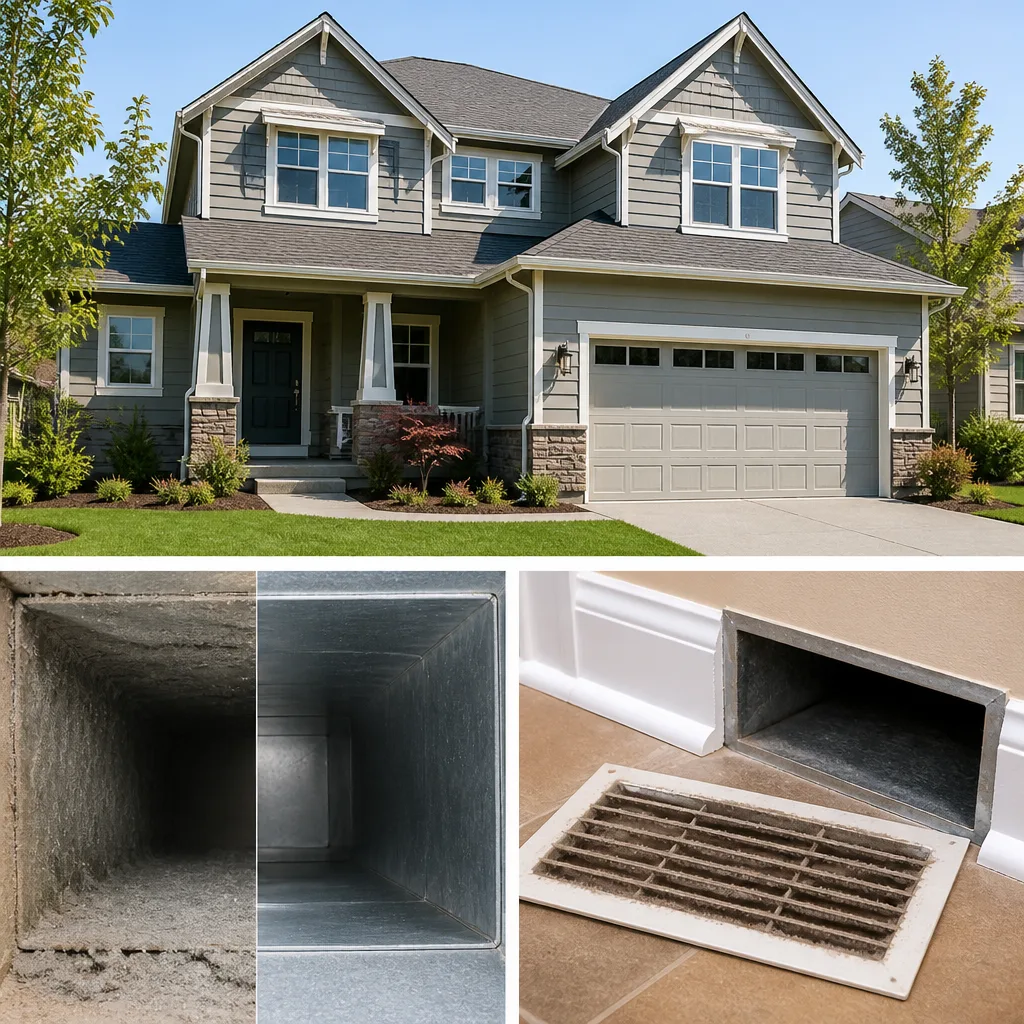
See the difference
 Before
 After
 Before
 After
 Before
 After
When to Call a Professional
Call a professional when you can’t trace a symptom to its cause by looking. Specifically: when two or more rooms have gone uneven, when a musty smell shows up on the first cycle, when short cycling persists through a full day, when there’s any moisture stain near a register or joint, or when the bill is up 20%+ without a matching weather change. These are the signs that point to a condition inside the ductwork you can’t see without equipment. Small symptoms caught early are cheap to handle. The same symptoms six months in usually mean repair work, not just cleaning.
Air Duct Cleaning Five Points offers free estimates in Five Points – call (877) 523-6180. We answer 24/7. Fast dispatch from 7am to 7pm, Sunday through Friday. One flat price per system is agreed before work starts, and you get before-and-after photos of your own ducts every time. The local pro we connect you with is licensed and insured as their state requires.
Frequently Asked Questions
The earliest signs are performance changes you feel, not see: uneven heating and cooling between rooms, a slight musty smell when the system starts, dust returning fast, and lower airflow at some registers than others. If any of those have appeared in the past year, an inspection is worth the call. Call (877) 523-6180 for a free estimate.
We price per system, not per vent, because that’s the only quote that reflects the actual job. A small home with a simple layout sits at the lower end of a typical range, a larger home with multiple systems at the upper end, and any repair or sealing we find during inspection is quoted separately before we start. The written estimate sets the final price. Call (877) 523-6180 and we’ll give you an exact number for your home.
Because a per-vent coupon is priced to get a truck to your door, not to complete a full job. The lower number usually comes from a shop that will focus on supply registers, skip return-side inspection, and find “problems” once they’re inside that inflate the bill. We quote one flat price per system up front, agree to it in writing, and hand you before-and-after photos of your own ducts at the end. That’s the honest comparison point. Call (877) 523-6180 to schedule an estimate.
Ask for before-and-after photos of the inside of your own ductwork, not stock images. We capture the registers and the air handler connection before we start and after we finish, so you can see what changed. If a company can’t produce photos of your ducts, that’s the answer to your question.
For most Five Points homes, duct cleaning isn’t a calendar event. It’s a response to a condition – moisture, visible build-up, pest intrusion, or a renovation that dumped drywall dust into the runs. Homes with pets, heavy dust load, or ongoing moisture issues benefit from a check more often. If you’re noticing any of the warning signs in this guide, that’s your cue, not a date on the calendar.
Yes, if only because older layouts are more likely to have flex duct joints, dampers, and insulated runs that have shifted over time. The inspection we do at the start of every job is what catches those. Homes built in different eras fail differently, and a proper look at the actual runs in your house beats any general assumption. Call (877) 523-6180 and we’ll walk through what we’re seeing before we quote.
The Bottom Line
Your duct system sends signals before it sends drama. Uneven rooms, musty smells at start-up, dust returning fast, short cycling, stained registers, and a bill that’s up without a weather reason are the real warning signs. Match each one to its likely cause, decide whether it’s a monitor sign or a same-week sign, and don’t mistake a cleaning for a repair. Mechanical agitation plus HEPA extraction, first-class air containment, and in-house repair and sealing on the same visit are what actually fix the problem. Better airflow starts with what’s inside the walls – and knowing how to read it is half the work.
Ready to have your system looked at? Call (877) 523-6180 for a free estimate. We answer 24/7. Fast dispatch from 7am to 7pm, Sunday through Friday.
Written by the team at Air Duct Cleaning Five Points.