
Last updated November 24, 2026
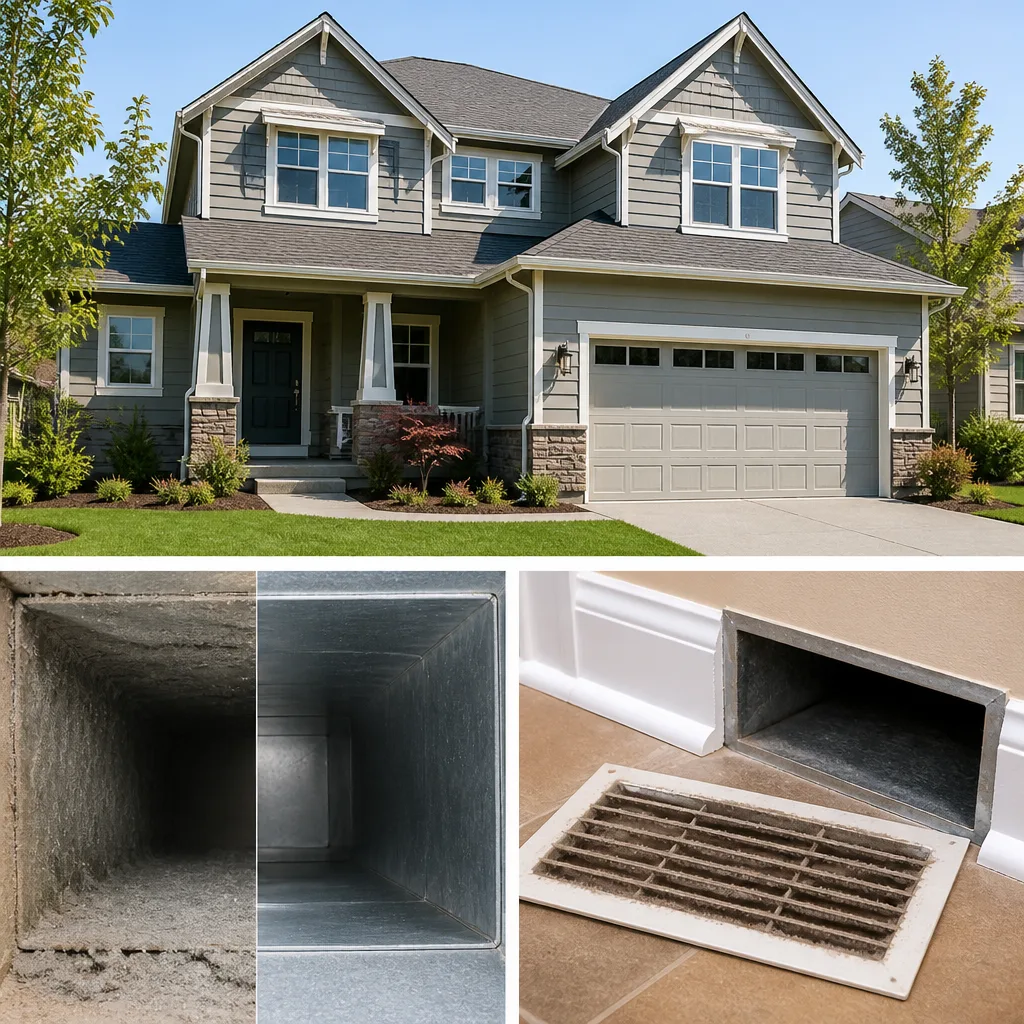 Whole-home duct cleaning
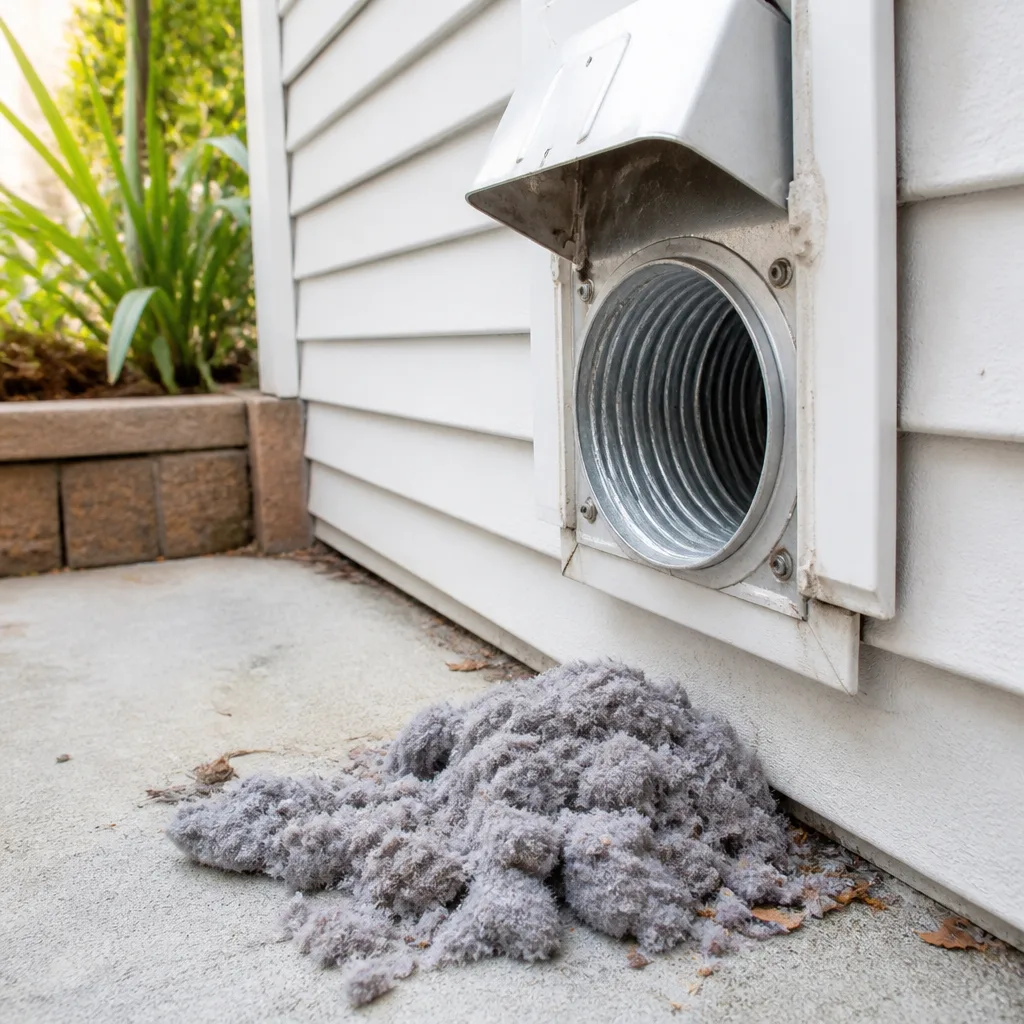 Dryer vent cleaning
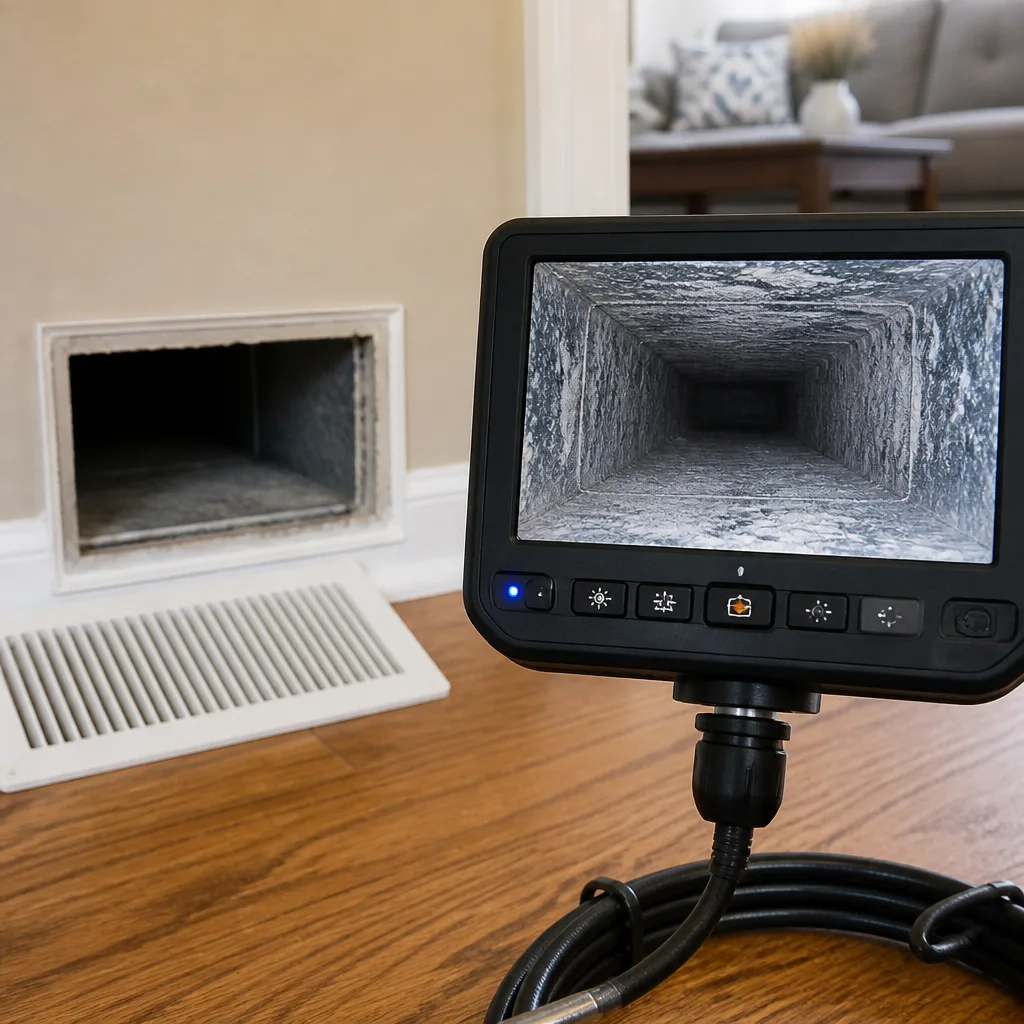 Camera inspection
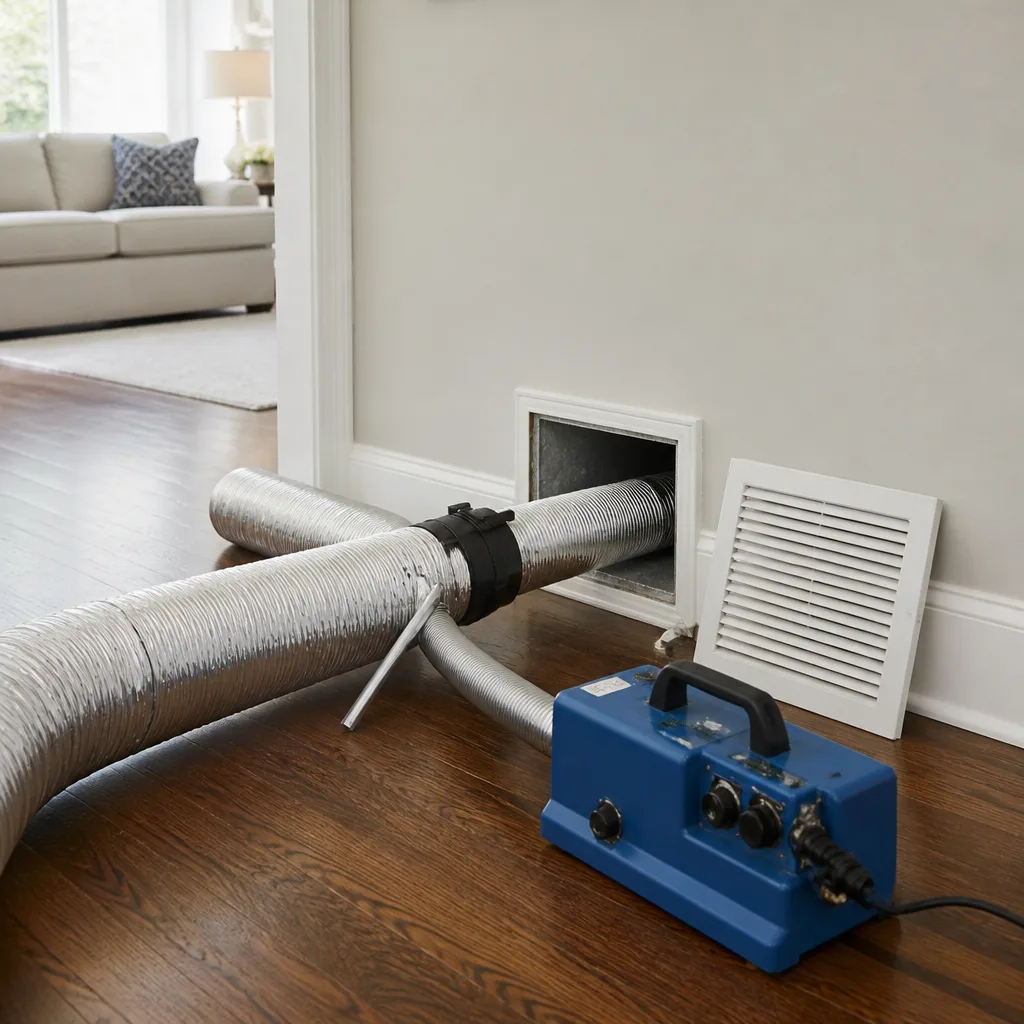 Sanitizing & deodorizing
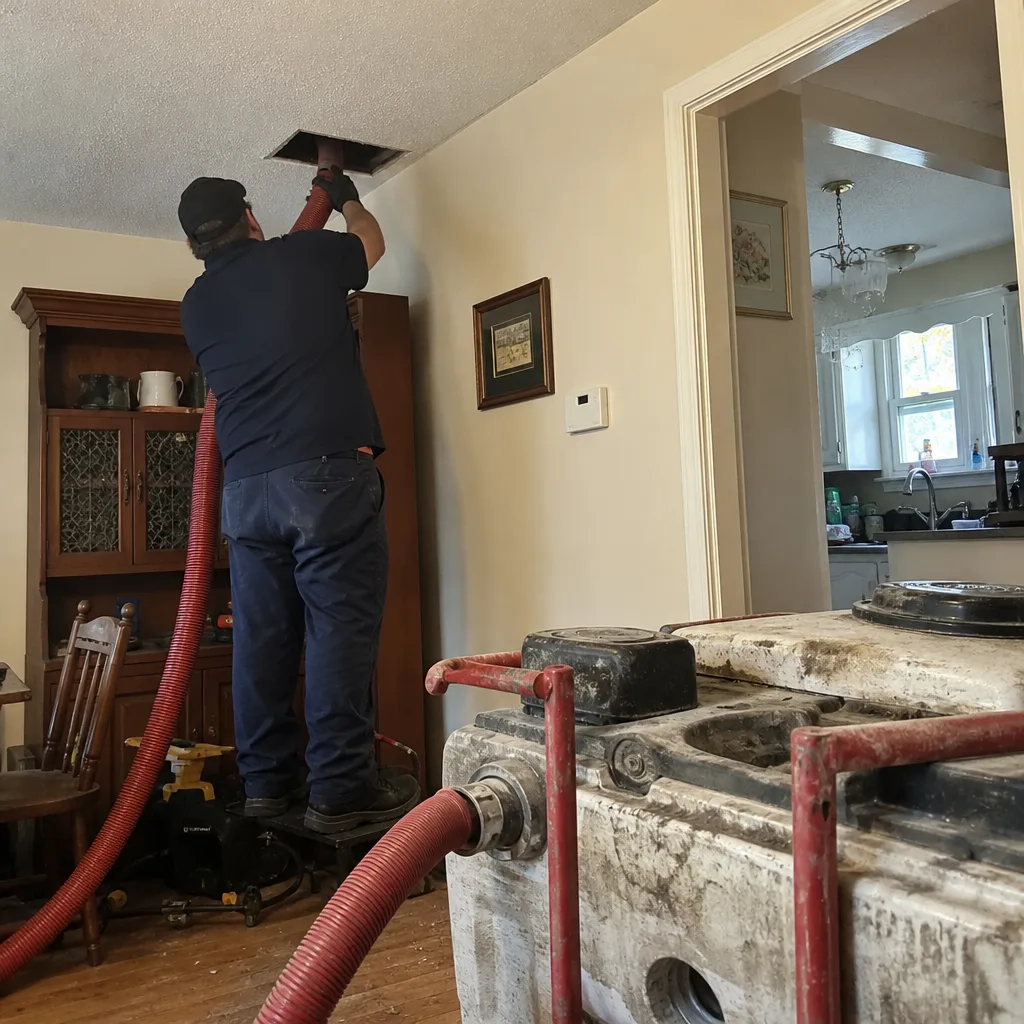
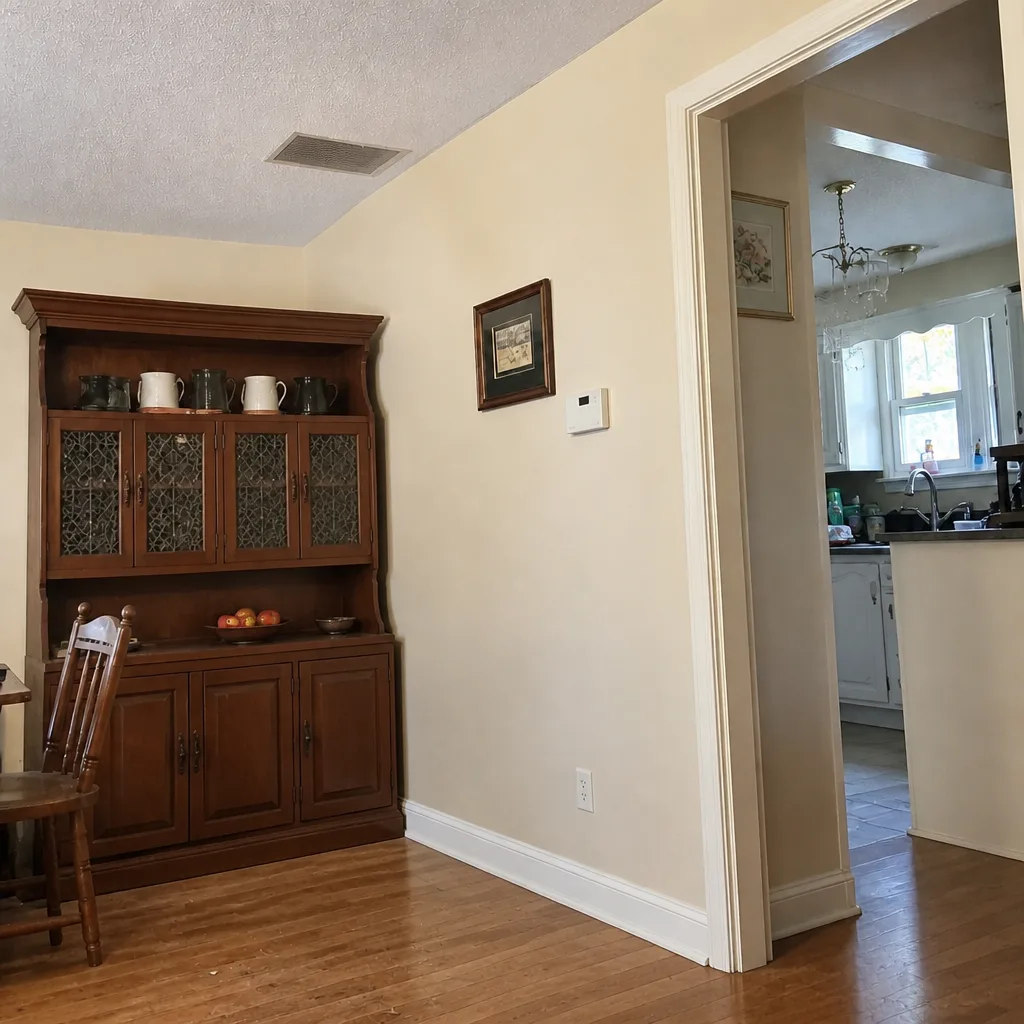
Whole-system duct and dryer vent check with before-and-after photos - you see exactly what came out of your vents
That "$99 whole-house special" is a bait ad - the real number appears once they are in your hallway, or the "clean" is a shop-vac at the register. We photograph the inside of your ducts before and after instead.
Air Duct Cleaning Permits, Codes & Inspections in Five Points, NC: What You Need to Know
Here’s the part most homeowners never hear: air duct cleaning itself almost never requires a permit in North Carolina, but the repairs that often ride along with it can. When a technician finds a disconnected run, a crushed flex section, or a gap at the air handler and patches it on the spot, that patch can fall under mechanical code. And if nobody pulled a permit for it, you’ve got a gap in your home improvement record that can surface years later during a sale, an appraisal, or an insurance review. This guide walks through where the regulatory line actually sits for Five Points homeowners, what the North Carolina Residential Code says about this kind of work, and how to tell the difference between cleaning and modifying a system.
Quick Answer
Air duct cleaning on its own is maintenance and generally does not require a permit in North Carolina. Duct repair, replacement, modification, or new access panels typically fall under the NC Residential Code as mechanical work, and in most cases that means a mechanical permit through Wake County or Durham County before work begins. Cleaning that turns into mold remediation crosses another line entirely and usually needs a licensed contractor. The simplest test: if the work only cleans an existing component, no permit; if it changes or replaces one, ask about permits before anyone starts.
Styles & brands we work with
- Whole-home duct cleaning
- Dryer vent cleaning
- Camera inspection
- Sanitizing & deodorizing
Table of Contents
- Cleaning vs. Repair: Where the Permit Line Sits
- When Wake County or Durham County Mechanical Permits Apply
- What Duct Sealing Means Under NC Energy Code
- Mold Remediation Scope: When Cleaning Crosses the Line
- A Simple Decision Tree for Five Points Homeowners
- What an Inspection Actually Looks At
- What Paperwork to Ask For
Cleaning vs. Repair: Where the Permit Line Sits
North Carolina draws a fairly clean distinction between maintenance and construction, and duct work straddles both. Cleaning the inside of a duct run, replacing a filter, sanitizing a plenum, or clearing a dryer vent all sit on the maintenance side. Repairing, replacing, or altering a duct system sits on the construction side, and construction work in a home is what the NC Residential Code governs.
The confusing part is that a cleaning job can turn into a repair job in about ten minutes. A technician opens a register, runs a camera down the line, and finds a section of flex duct that’s torn, sagging, or completely separated from its boot. Or a return plenum with gaps at the seams that are pulling attic air into the system. Those aren’t cleanliness problems, they’re mechanical integrity problems, and fixing them changes the system.
In our experience across Five Points, the jobs that cross into permit territory usually involve at least one of these:
- Replacing a section of rigid or flex duct rather than cleaning it
- Cutting a new access panel into the trunk line or a plenum
- Reconnecting a boot to a register that’s been pulled loose
- Rerouting a run to serve a renovated room
- Sealing a plenum with mastic where it was never sealed before
- Replacing the duct connection at the air handler
Notice that cleaning appears nowhere on that list. Agitating debris with a rotary brush and pulling it out under HEPA negative pressure doesn’t alter the system’s shape or function. It restores the system to what it was supposed to be. That’s the dividing line.
Five Points has a lot of older housing stock, and much of it has ductwork that was retrofitted decades after the house was built. Those systems tend to have more disconnections and more improvised transitions than newer construction, which is why the repair question comes up more often here than people expect.
When Wake County or Durham County Mechanical Permits Apply
Five Points sits in a part of the Triangle where the county line matters. If your home is in Wake County, permit applications for mechanical work go through Wake County’s permitting office. If you’re on the Durham County side, it goes through Durham County. Either way, the governing document is the same: the North Carolina Residential Code, which adopts the state mechanical code by reference.
So when does a mechanical permit apply to work that started as a cleaning job? The general answer, and you should confirm the specifics with the county before any work begins:
- The work replaces a component. Swapping out a duct run, plenum, or boot is a replacement, and replacements are permitted work.
- The work adds something new. A new access panel, a new register, a new run to a room that didn’t have one before, all additions.
- The work alters the system’s layout or capacity. Rerouting, resizing, or changing how many CFM a branch carries.
- The work is part of a larger permitted renovation. If you’re already pulling permits for a kitchen or an addition, the duct work tied to that project gets folded into the mechanical permit.
Repairs that restore a component to its original condition, like re-securing a boot or sealing a joint that was always meant to be sealed, are a grayer area. Some jurisdictions treat small repairs as maintenance; others want to see them on a permit. The safe move is to call the county’s permitting line and describe the specific work in plain terms. They’ll tell you quickly whether it needs a permit.
The one thing you should never accept is a contractor who says permits don’t apply to any duct work at all. That’s wrong, and it puts the risk on you as the homeowner, not them. Unpermitted mechanical work can complicate a future sale in Five Points, where buyers and inspectors tend to look closely at older homes.
What Duct Sealing Means Under NC Energy Code
Duct sealing gets complicated because it means two different things depending on context, and the energy code only cares about one of them.
Standalone maintenance sealing is what most homeowners picture: a technician finds gaps at the seams, joints, and connections, and closes them with mastic, tape rated for the application, or aerosol sealing. That work improves efficiency and comfort. It doesn’t trigger energy code review on its own, because it’s not part of a permitted project.
Permitted renovation sealing is different. When a home is undergoing a permitted renovation or a new HVAC installation, the NC energy code applies to the duct system as part of that project. That means duct leakage is measured and duct sealing has to meet the code’s requirements, not just look sealed. The testing happens as part of the permit inspection.
This distinction matters for Five Points homeowners planning a renovation. If you’re tearing into walls for a kitchen remodel or an addition, your HVAC contractor will have to meet energy code requirements for the duct work in that scope, and cleaning won’t substitute for that. If you’re just tired of dust and cold rooms, sealing is maintenance and doesn’t require any of that.
We do duct repair and sealing in-house, which means when we find gaps during a cleaning, we can close them on the same visit. For the maintenance level of sealing, that’s a same-day fix. For anything that needs a permit and inspection, we’ll tell you plainly that it needs to go through the county first, and we won’t paper over that.
The equipment matters here too. Mechanical agitation with a rotary brush loosens what’s stuck to the duct walls, and HEPA-rated extraction pulls it out under negative pressure. That’s a very different method from a shop vac, and it’s what makes the before-and-after meaningful.
Mold Remediation Scope: When Cleaning Crosses the Line
Cleaning removes accumulated dust, debris, and biological growth from a duct system. Remediation removes a mold problem from a building and verifies it’s gone. Those are not the same job, and North Carolina treats them differently.
If a technician finds visible mold growth inside the duct system, the honest answer is that the scope has changed. Mold inside HVAC components typically means there’s a moisture source feeding it, and cleaning without addressing that source means it comes back. Remediation involves containment, source correction, removal of affected materials, and often clearance testing. Some of that work falls under rules that require a licensed contractor, depending on the extent and the materials involved.
What we look at during a Five Points inspection:
- Visible growth on duct liners, plenum interiors, or the air handler coil
- Musty odor that returns within days of cleaning
- Standing water or damp insulation near the air handler
- Condensate line issues that keep the cabinet wet
- Humidity levels high enough to support growth on cool surfaces
Five Points homes with crawlspaces and basements see this more than slab-on-grade homes, because damp air finds its way into return ductwork. If we find growth, we say so, we explain what the source likely is, and we tell you if the work has moved beyond cleaning into remediation. That’s a different contractor and a different scope, and pretending otherwise helps nobody.
For routine cleaning without a mold finding, sanitizing after the mechanical cleaning is a normal part of the job. For an active mold problem, sanitizing alone is not a fix.
A Simple Decision Tree for Five Points Homeowners
If you remember nothing else from this guide, remember this question: does the work change, replace, or only clean an existing component? Walk through these steps before you approve any work beyond a cleaning.
- Is the work only removing debris from existing ducts? No permit needed. This is maintenance.
- Is the work replacing a duct, plenum, or boot? Permit territory. Ask about a mechanical permit through your county.
- Is the work adding an access panel, register, or run? Permit territory, same as above.
- Is the work part of a larger permitted renovation? It rolls into that project’s mechanical permit and inspection.
- Is the work addressing a mold problem? It may need a licensed remediation contractor, and it definitely needs the moisture source addressed.
- Is the work resealing joints and seams as maintenance? Usually no permit, but ask the county if you’re unsure.
Run any proposed scope through those six questions and you’ll know which bucket you’re in. We’ve used this same test on Five Points jobs for years, and it’s never led us wrong. If a contractor can’t tell you which bucket your job falls into, that’s your signal to slow down.
What an Inspection Actually Looks At
A duct inspection and a duct cleaning are two different services, and it’s worth knowing what each produces.
A cleaning produces a cleaned system and, with a company that documents its work, before-and-after photos of your ducts. That documentation matters. It’s how you know the work was actually done and how you can show it to a future buyer.
A mechanical inspection, when one is required as part of a permit, is done by the county. The inspector looks at what the permit covers: whether the duct work was installed per the approved plan, whether materials meet code, whether connections are secure, and whether the system moves air the way it’s supposed to. For energy code duct sealing under a renovation, the inspector reviews the leakage testing results.
Two things homeowners often confuse:
- An HVAC company’s inspection is a service call. It tells you the condition of your system. It is not a code inspection.
- A county inspection is a regulatory step tied to a permit. It only happens if there’s a permit and a scheduled inspection.
In Five Points, where many homes have original or retrofitted duct work that was never inspected, a cleaning is often the first time anyone has looked inside the system. That’s exactly why the repair question comes up so often during a routine job. Finding a problem doesn’t mean you did something wrong. It means nobody had opened it up before.
What Paperwork to Ask For
The paperwork trail is your protection, especially in an older Five Points home where the next owner will ask questions. Before any work starts, ask for three things.
- A written scope. Exactly what’s being cleaned or repaired, in plain language, with the price for each.
- Permit confirmation if applicable. If work needs a permit, get the permit number and confirm it was pulled under the correct address.
- Documentation at the end. Before-and-after photos and a written record of what was found and fixed.
We put the price per system in writing before work begins, not per vent, and we photograph the ducts before and after. That’s not because we’re trying to be impressive. It’s because it’s the only way you can verify the work was done, and the only way the next owner of your home can see the record.
If a contractor can’t show you a written scope or won’t discuss permits, that’s your cue to keep looking. The low quote that becomes a big invoice once the technician is on site starts with a missing piece of paper. Getting the scope in writing up front prevents it.
Common Mistakes to Avoid
- Assuming no permit is ever needed for duct work. Cleaning doesn’t need one, but repairs and replacements usually do. Confirm with Wake County or Durham County before the work, not after.
- Letting a cleaning company do repairs without asking about permits. An on-the-spot patch that changes the system can create an unpermitted record gap. Ask who’s pulling the permit and who’s responsible for the inspection.
- Skipping the written scope. A verbal estimate on a duct job gives you nothing to hold anyone to. Get the scope and price per system in writing.
- Treating mold like a dust problem. Cleaning over an active mold issue without fixing the moisture source means the problem comes back. Get an honest assessment of whether the work has crossed into remediation.
- Not documenting the work. Without before-and-after photos and a written record, you have no proof the work was done, and neither does the next owner. In Five Points, where homes change hands and inspectors look closely, that record is worth keeping.
- Hiring whoever quote-teases the lowest price. A per-vent teaser price that becomes a bigger invoice during the visit is the industry’s oldest trick. Ask what a whole-system price covers and get it in writing.
- Ignoring disconnected runs because the system “works.” A duct that’s pulled loose at a boot in the attic is pulling attic air into your home. Cleaning alone doesn’t fix that. The repair does.
See the difference
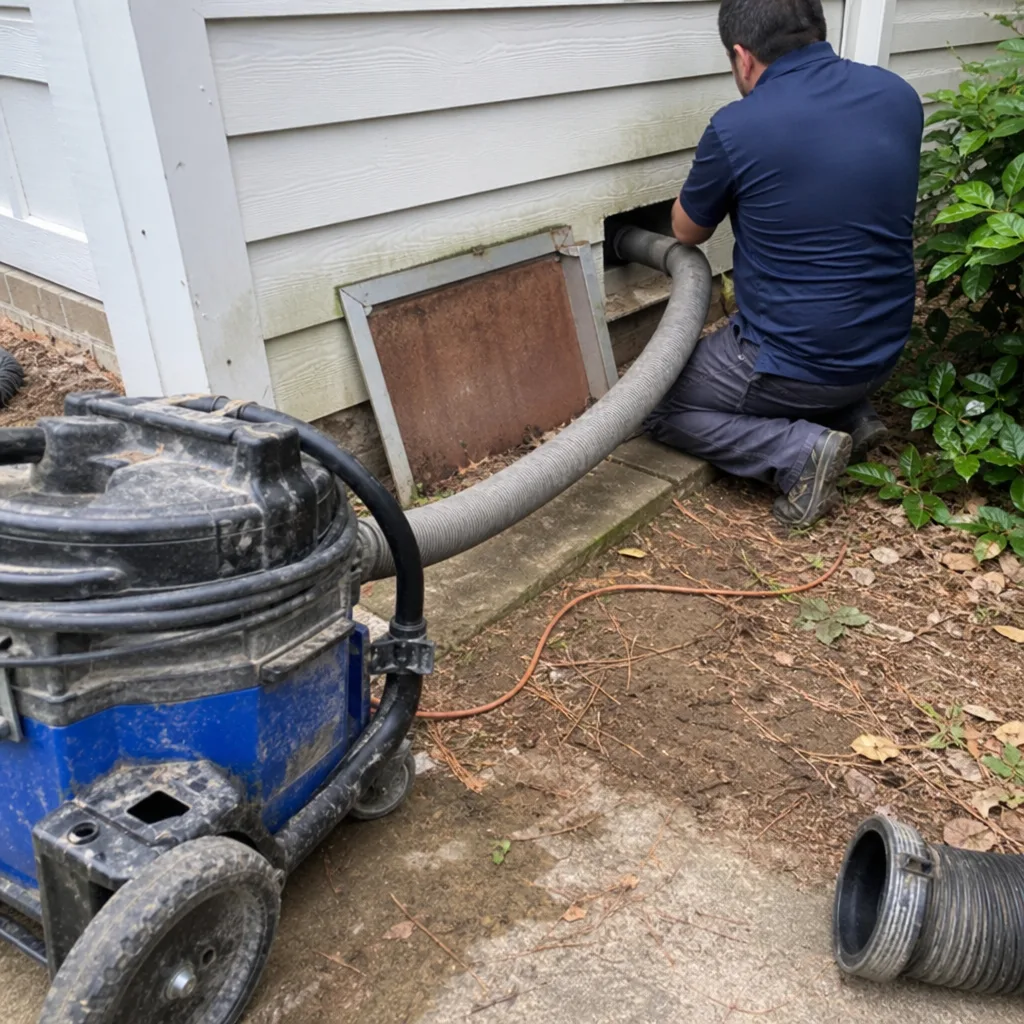 Before
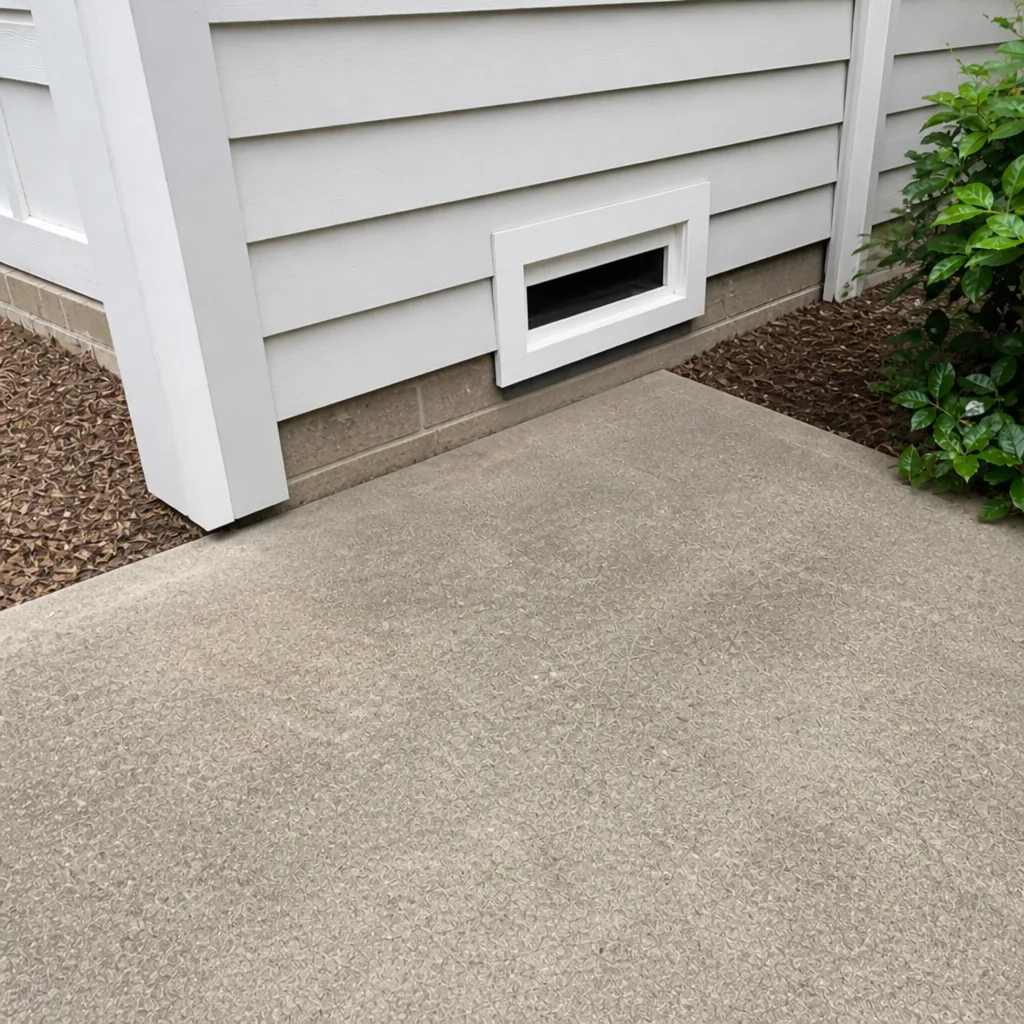 After
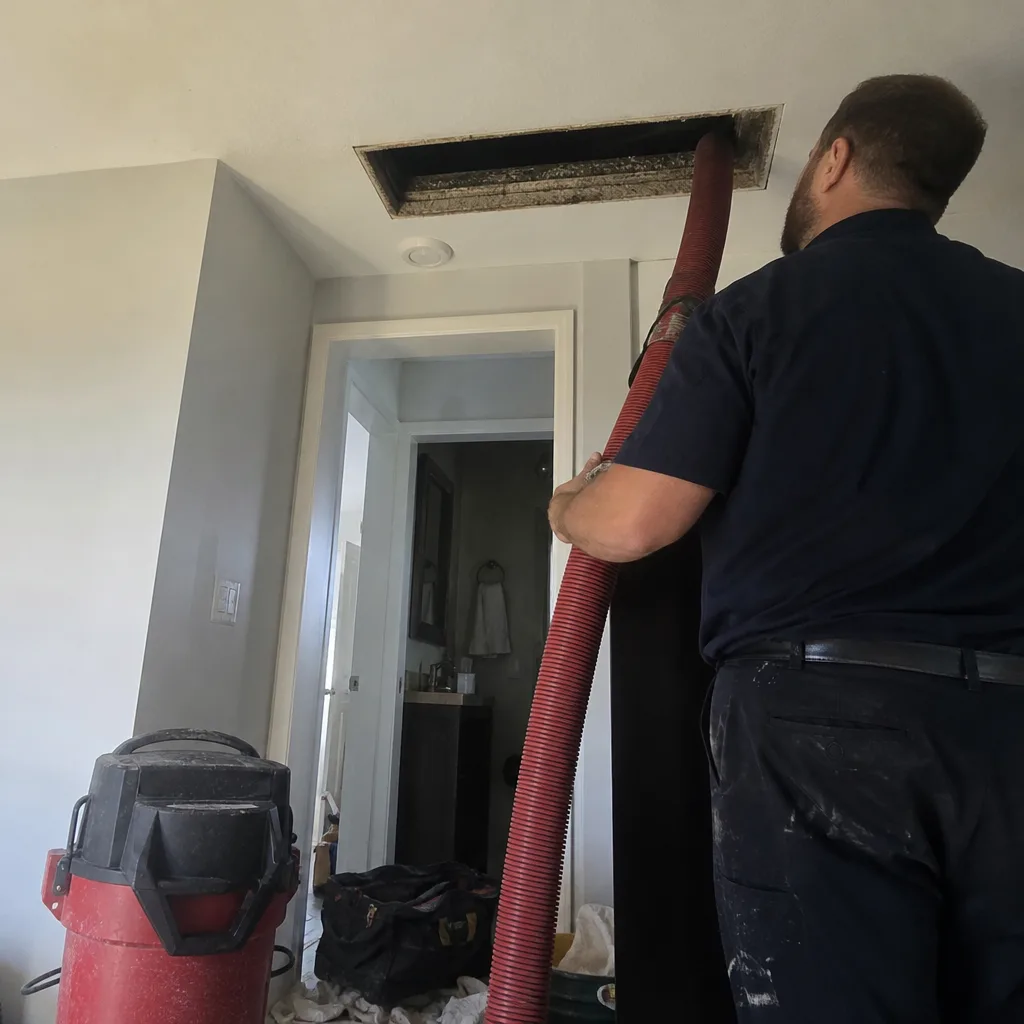 Before
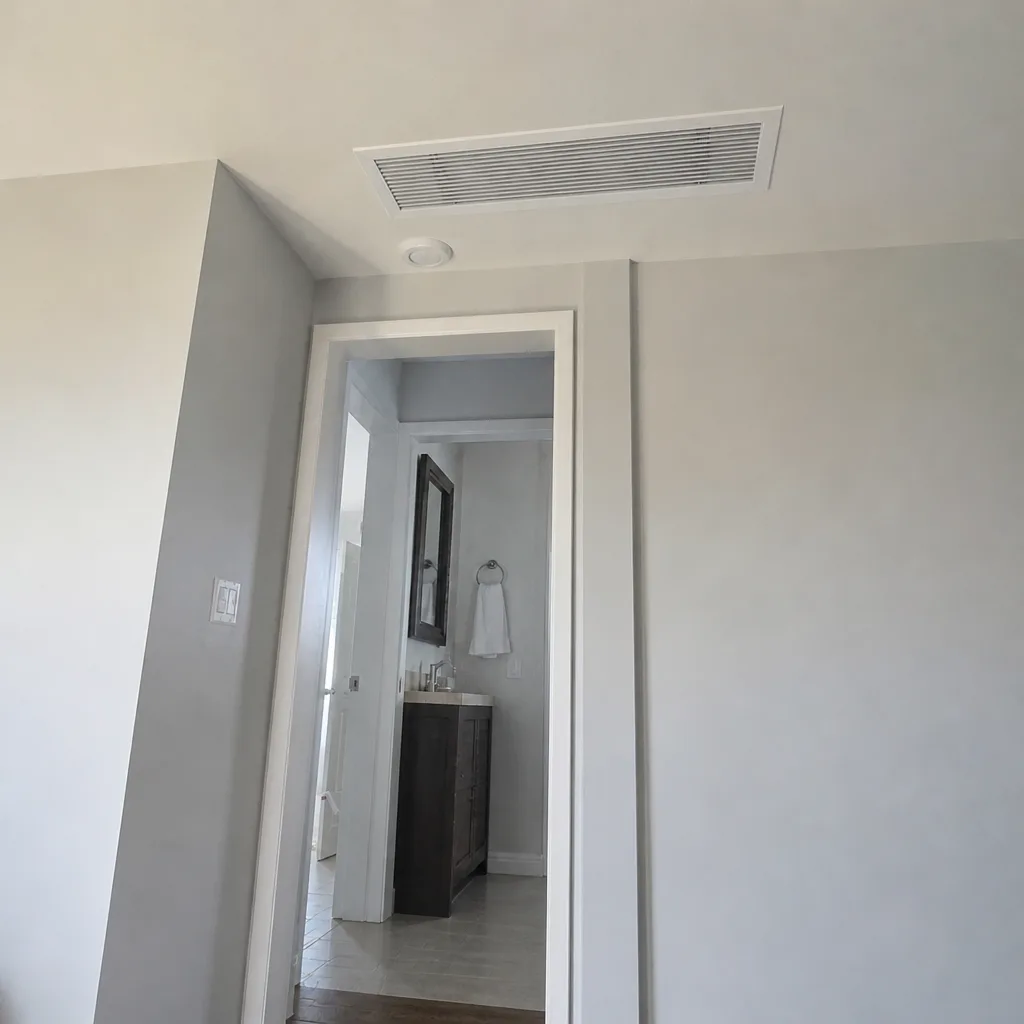 After
 Before
 After
When to Call a Professional
Some duct work is a homeowner call; the rest isn’t. Call a professional when you smell mustiness that returns after cleaning, when one room is consistently warmer or colder than the rest of the house, when you can see dust trails at the registers, or when a renovation is about to open walls where ducts run. Any mold finding, gas-adjacent work near the air handler, or electrical work at the furnace needs a trained technician, not a DIY attempt. The same is true for anything involving the air handler’s wiring or the plenum connections. For those, we’ll tell you plainly what needs a permit and who needs to do the work.
Air Duct Cleaning Five Points offers free estimates in Five Points. Call (877) 523-6180. We answer 24/7. Fast dispatch from 7am to 7pm, Sunday through Friday. Air Duct Cleaning Five Points covers the whole system, from the register to the air handler.
Frequently Asked Questions
No. Air duct cleaning on its own is maintenance and does not require a permit in North Carolina. Permits come into play when the work involves repair, replacement, or modification of the duct system, not cleaning. If you’re unsure which bucket your job falls into, ask your county’s permitting office before work begins.
Often yes. Duct repair that replaces or alters a component generally falls under the NC Residential Code as mechanical work, and that typically means a permit through Wake County or Durham County. Small repairs that restore a component to its original condition are a grayer area. Call the county with a plain description of the work and they’ll tell you quickly. Call (877) 523-6180 for a free estimate on the cleaning side, and we’ll flag any repair that needs a permit.
Standalone duct sealing as maintenance doesn’t trigger energy code review, but sealing that’s part of a permitted renovation or new HVAC installation does. In a permitted project, duct leakage is measured and sealing has to meet the code’s requirements, with testing as part of the inspection. If you’re planning a renovation in Five Points, ask your contractor how the energy code applies to the duct scope.
Clean it and see if the musty smell returns within days. If it does, or if you can see growth on duct liners or the air handler, the problem has likely crossed into remediation territory. Remediation needs the moisture source addressed, and depending on scope, may need a licensed contractor. Call (877) 523-6180 and we’ll tell you honestly which side of the line your job is on.
Pricing is per system, set by a written estimate after an inspection, not per vent. A whole-system price depends on the size and condition of the system, how many runs it has, and whether repairs are needed. We put the price in writing before any work starts, and estimates are free. Call (877) 523-6180 for an exact quote.
Because they’re often per-vent teaser prices that grow into a much larger invoice once the technician is on site, or they cover a quick vacuum and nothing more. Ask what a whole-system price includes, whether repairs and permits are part of the scope, and whether you’ll get before-and-after photos. A quote that can’t answer those questions isn’t a real quote. Call (877) 523-6180 for a written per-system estimate instead.
Most homes don’t need it on a fixed schedule. Some Five Points homes with pets, recent renovations, or long intervals since the last cleaning benefit from a cleaning every few years; others can go much longer. The real signal is what you’re seeing: dust trails at registers, musty odors, uneven airflow. Get an inspection and let the condition of the system tell you, not a calendar.
The Bottom Line
Cleaning is maintenance and rarely needs a permit in North Carolina. Repairs, replacements, additions, and any work that comes with a renovation almost always do. The single question that sorts every job: does the work change, replace, or only clean an existing component? Get the scope in writing, confirm with Wake County or Durham County when permits apply, and get before-and-after documentation when the work is done. For Five Points homeowners, following those three steps is what separates a clean, documented system from an unpermitted patch that surfaces years later. Cleaning has its place, and so does dryer vent cleaning if you’re already scheduling a whole-system visit.
From the register to the air handler, our air duct cleaning work is built around mechanical agitation and HEPA-rated extraction, with professional-grade equipment rather than a shop vac. For homeowners who want the whole pathway addressed, HVAC cleaning covers the air handler end of the system as part of the same visit. Our technicians have up to 10 years of experience, and we use Rotobrush rotary-brush systems and Nikro HEPA extraction on every job.
Contact Us
If your ducts haven’t been opened up in a while, a free estimate is the right first step. Call Air Duct Cleaning Five Points at (877) 523-6180. We answer 24/7. Fast dispatch from 7am to 7pm, Sunday through Friday. We’ll give you a written price per system, before-and-after photos of your own ducts, and a straight answer on whether anything you need requires a permit. Estimates are free and there’s no obligation.
Written by the team at Air Duct Cleaning Five Points.