
Last updated November 24, 2026
 Whole-home duct cleaning
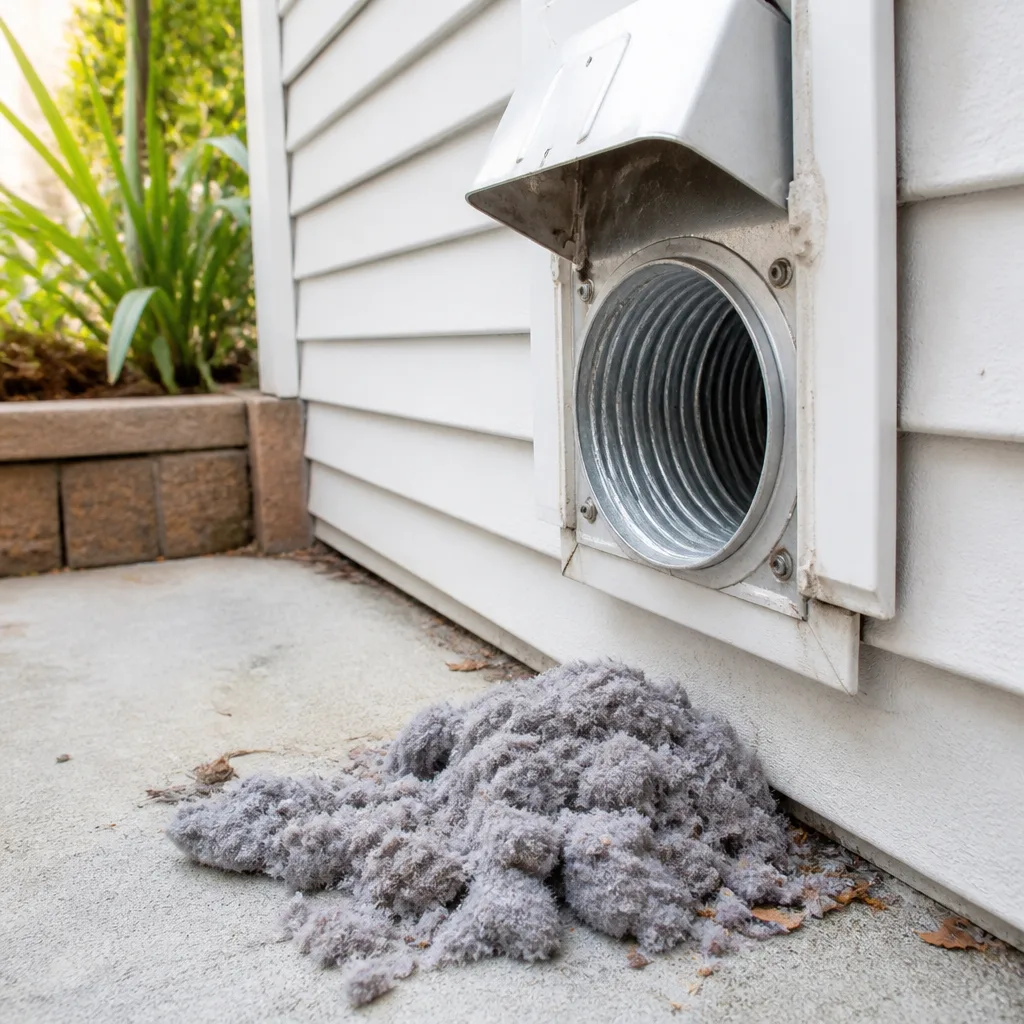 Dryer vent cleaning
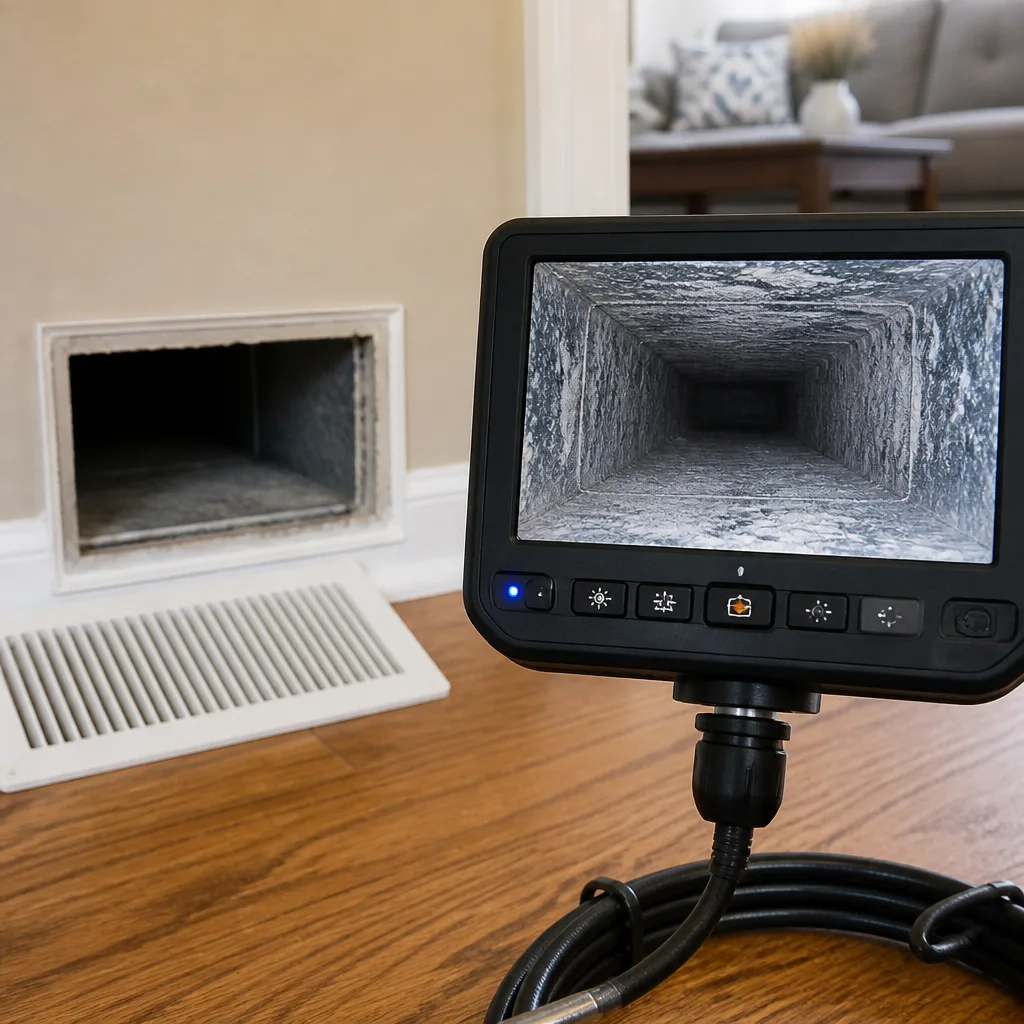 Camera inspection
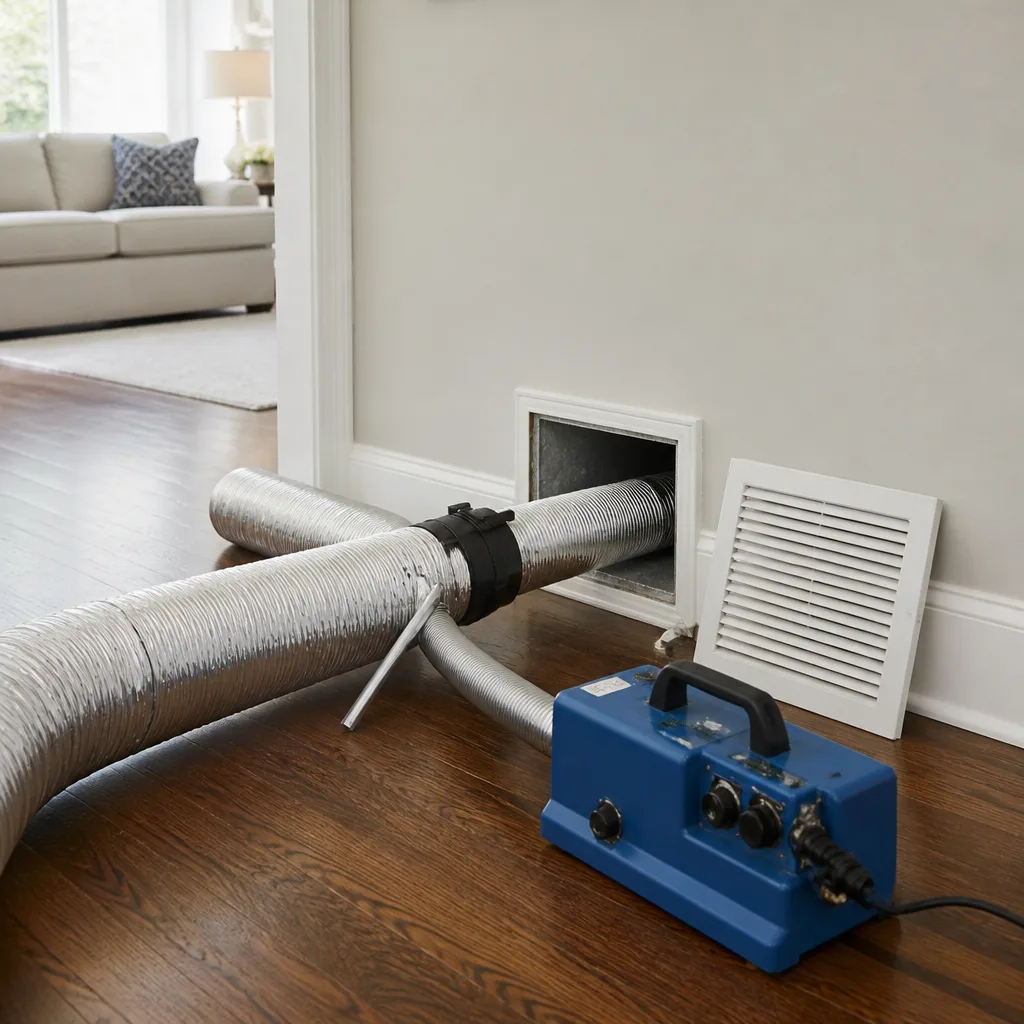 Sanitizing & deodorizing
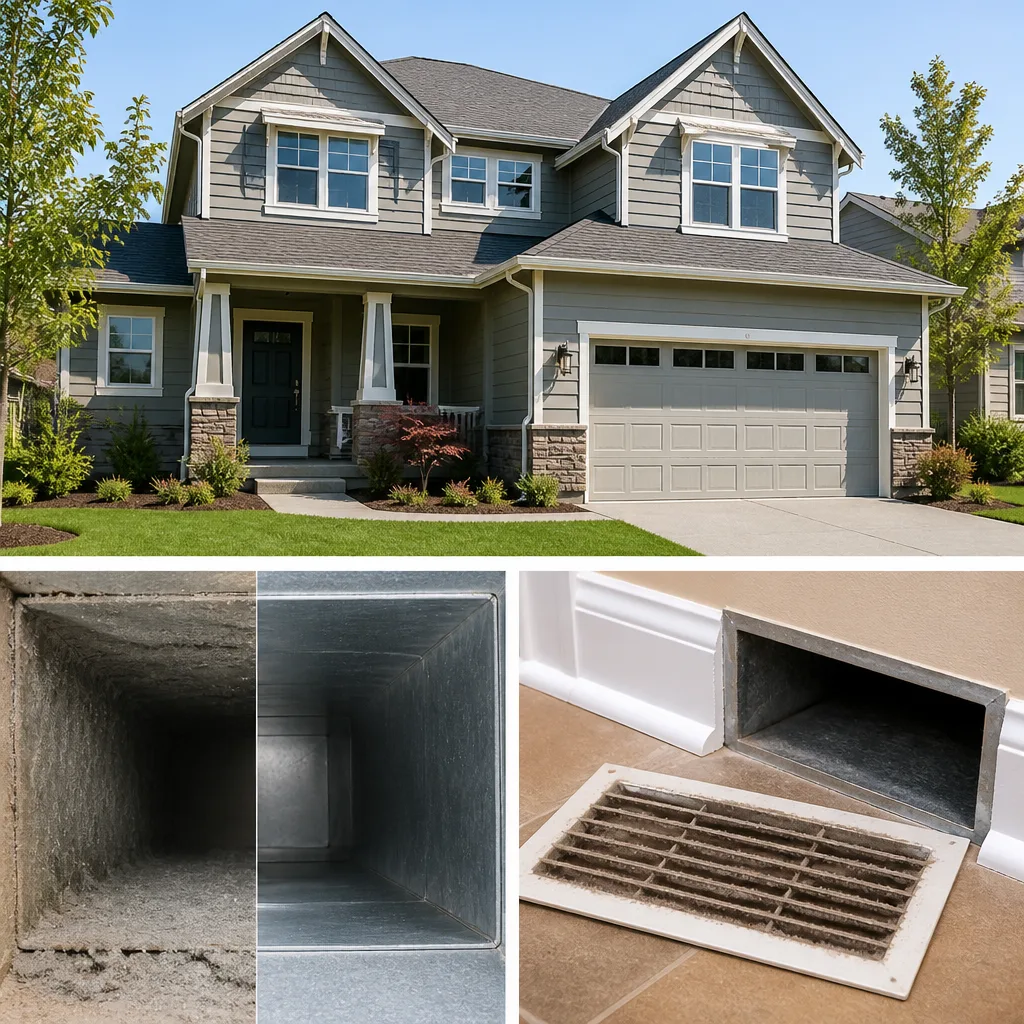
Whole-system duct and dryer vent check with before-and-after photos - you see exactly what came out of your vents
That "$99 whole-house special" is a bait ad - the real number appears once they are in your hallway, or the "clean" is a shop-vac at the register. We photograph the inside of your ducts before and after instead.
How to Hire an Air Duct Cleaning Contractor in Five Points: A Step-by-Step Guide
A $99 duct cleaning coupon isn’t a deal. It’s a business model. The low number gets a technician through the door, and the real invoice gets built on the spot from treatments you didn’t ask for and can’t easily verify. The trick isn’t finding the cheapest quote in Five Points. It’s knowing which questions expose whether a company’s process is real or just a shop vac with a logo on the side. This guide gives you a scripted vetting framework: the exact questions to ask, what a credible answer sounds like, and the red flags that should end the call. By the end you’ll know how to compare contractors on equipment, scope, and deliverables instead of price alone.
Quick Answer
To hire an air duct cleaning contractor in Five Points, ask three things before you book: what vacuum and brush equipment they use (brands and configuration, not just “professional equipment”), what the written scope of work covers (every access point, every component, and what you receive afterward), and whether they follow a recognized standard like the NADCA ACR. A company that answers all three specifically and puts them in writing is worth a quote. A company that dodges, quotes a flat teaser price, or pushes add-ons before seeing your system is not.
Styles & brands we work with
- Whole-home duct cleaning
- Dryer vent cleaning
- Camera inspection
- Sanitizing & deodorizing
Table of Contents
- Why the Cheapest Quote Is Usually the Most Expensive
- The Quote Call: Exact Questions and What Good Answers Sound Like
- What Equipment a Legitimate Contractor Should Be Able to Name
- What a Written Scope of Work Must Include Before You Sign
- The NADCA ACR Standard as a Contractor Benchmark
- Add-On Services: What Has Real Value and What’s an Upsell
- Five Points Specifics: Climate, Housing, and What That Means for Your Ducts
- What Should Happen On the Day of the Job
Why the Cheapest Quote Is Usually the Most Expensive
A teaser price works because it changes the conversation. Instead of asking what the full job involves, the homeowner asks whether the number on the coupon is real. It usually isn’t, and the correction happens after the technician is standing in your hallway with equipment already staged. That’s when the upsell conversation starts: sanitizing treatments, coil sprays, “sealing packages,” and products priced far above what the service is worth.
A duct cleaning job in Five Points has real costs attached. Professional equipment isn’t cheap to buy or maintain. A technician who knows what they’re looking at takes longer than one running a vacuum through the registers. Proper containment takes setup time. None of that fits inside a rock-bottom teaser, which means something in the job is being skipped or the price is being recovered elsewhere.
The better approach is to ask for a whole-system price based on the size and layout of your home, agreed before any work starts. That number should come from a written estimate, not a phone guess and not a coupon. Ask directly: is this a flat price for the full system, or a starting price that moves once you’re on site? A straight answer tells you a lot.
Cheapness also hides a second problem: scope. A cut-rate job often means a single pass with a portable unit and no mechanical agitation, which loosens surface dust without dislodging the debris stuck to the duct walls. You get a cleaner-looking register and a system that clogs back up. Value in this trade comes from doing the whole pathway properly, from the register back to the air handler, not from spending the least.
The Quote Call: Exact Questions and What Good Answers Sound Like
The quote call is where the vetting happens. You don’t need to know the trade to run it. You just need to ask the same questions of every company and compare how specific the answers are. Vague answers are a signal. So is a contractor who talks about price before they talk about process.
- “What vacuum unit do you use, and how many CFM does it pull?” A credible contractor names the equipment and roughly how much air it moves. A HEPA-rated unit with meaningful airflow tells you they’re capturing what they loosen. “A really strong industrial vacuum” tells you nothing.
- “Do you use a rotary brush or just a vacuum?” Mechanical agitation is the difference between real cleaning and surface dusting. A contractor who describes a rotary brush system and negative-pressure extraction is describing a process. One who says “we vacuum everything out” is describing a shop vac.
- “How do you keep dust from spreading through the house while you work?” The answer should be containment and negative air pressure. A filtration unit holding the work area under negative pressure keeps dislodged particulates from settling into your living room. If the answer is “we’re careful,” keep calling.
- “What exactly is covered for the price?” You want a list: how many supply and return runs, the trunk lines, the air handler, the registers. Not “the whole system,” but the actual components. A contractor who scopes in writing before arriving knows their job.
- “Do you clean the air handler and blower, or just the ducts?” Ducts and the air handler are one pathway. A company that stops at the ducts is leaving the biggest debris source untouched.
- “What do I get after the job?” Before-and-after photos of your own system, not stock images. A written summary. Anything less makes the work impossible to verify once they’re gone.
- “Are you equipped to repair leaks or disconnected ducts if you find them?” Older Five Points homes often have gaps at joints and connections. A contractor who refers that work out means a second appointment and a second invoice.
Compare answers side by side. The contractor who names equipment, describes a process, and scopes the work in writing is the one worth scheduling. If two companies give equally specific answers, compare scope and price on the written estimate, not the phone number. For a service overview before you start calling, our air duct cleaning page lays out what a full-system job involves.
What Equipment a Legitimate Contractor Should Be Able to Name
Equipment is the clearest test of whether a company does real work. Anyone can describe being thorough. Naming the actual gear is harder to fake, and it tells you the method behind the job. Here’s what to listen for.
- The vacuum unit and its airflow. A legitimate contractor uses a HEPA-rated extraction unit, not a portable shop vac. HEPA filtration matters because it traps the fine particulate that otherwise blows back into the room. We run Nikro HEPA units for exactly that reason, and a contractor should be able to tell you the brand and general capability of theirs.
- The brush system. Rotary brush systems physically dislodge the debris bonded to duct walls, which is what a vacuum alone can’t do. We use Rotobrush rotary-brush equipment, an industry-recognized mechanical method. Ask what brush system they run and how it reaches the full length of each run.
- The containment equipment. Negative air pressure during a job is the standard in professional remediation work, and it should be standard in duct cleaning too. We deploy Abatement Technologies air filtration units to hold the work area under negative pressure. A contractor who can’t name their containment setup is probably working without one.
- Access tools. Duct runs need proper access points to be cleaned fully. Ask how they create access and whether they restore it afterward.
- The post-job inspection tools. A camera or documented before-and-after photos let you see the inside of your own ducts. Ask what deliverable proves the work was done.
If a contractor can name their vacuum brand, their brush type, and their containment method, you’re talking to someone who does this properly. If the answer to “what equipment do you use” is “all professional-grade,” ask them to be specific. The Air Duct Cleaning Five Points page describes the full pathway we clean, from register to air handler, so you can see how equipment ties into scope.
What a Written Scope of Work Must Include Before You Sign
A quote isn’t a scope. A number with no detail behind it is the easiest thing in the world to argue about once the work is done. Before you sign anything, insist on a written scope that spells out the following. If a contractor can’t produce one, that’s your answer.
- The access points. Where will they open the system, and how many access points will be created or used? This is also where you confirm they’ll seal access points back up when finished.
- The components covered. Supply runs, return runs, trunk lines, the air handler, the blower, the registers. List them by number if the count differs by home. “The whole system” is not a component list.
- What’s excluded. A good scope says what isn’t covered, too. If a section is inaccessible or in poor condition, that should be noted up front, not discovered later.
- Any repair work. If leaks or disconnected sections are found, is repair included, quoted separately, or referred out? Get that in writing before the cleaning starts.
- The flat price for the system. Whole-system pricing, agreed before work starts, with no per-vent charges or teaser add-ons. The written estimate sets the final price.
- Post-job deliverables. Before-and-after photos of your own ducts, a written summary of what was found and done, and confirmation of any repairs made.
- The satisfaction guarantee. What happens if you’re not satisfied with the result? Get the answer in the scope, not in a verbal promise on the phone.
A scope that covers all seven makes the job accountable. It also makes it easy to compare two contractors on equal footing, since both are quoting the same defined work. When the local pro arrives, they’re working to a document, not a verbal understanding.
The NADCA ACR Standard as a Contractor Benchmark
The NADCA ACR is the assessment, cleaning, and restoration standard for HVAC systems published by the National Air Duct Cleaners Association. It’s the reference point most of the trade uses to define what a proper duct cleaning job involves, from how a system is assessed before cleaning to how components are restored afterward. Asking whether a contractor works to it is one of the most useful vetting questions you can ask.
Here’s the nuance. Certification and standard-adherence are not the same thing, and neither is a guarantee of quality on its own. A company can hold a certification and still upsell aggressively once they’re inside. A company without one can still do thorough work to a recognized standard. What the ACR gives you is a benchmark to hold a conversation against. Ask: do you assess the system before cleaning, do you follow a documented cleaning process, do you restore what you access? A contractor who can speak to those steps is likely following a standard even if they don’t lead with the acronym.
For Five Points homeowners, that means using NADCA ACR as a checklist, not a badge. If a company advertises certification, ask how their process maps to the standard. If they don’t, ask them to describe their assessment and restoration steps. Either way, you’re comparing process, not acronyms. A contractor who can’t explain the standard they claim to follow hasn’t really answered the question.
Add-On Services: What Has Real Value and What’s an Upsell
Add-ons are where the teaser business model lives. A price that starts low gets rebuilt once a technician is inside, and the pressure to add services is highest when you can’t independently evaluate whether you need them. The way out is to know in advance which services have documented value and which are largely upsells, then decide before anyone arrives.
Services with real value:
- Coil cleaning. The evaporator coil sits in the air handler and collects debris, and a fouled coil restricts airflow and hurts efficiency. Cleaning it alongside the ducts is a genuine part of a full-system job.
- Duct repair and sealing. Leaks, gaps, and disconnected sections found during cleaning waste airflow and pull unfiltered air into the system. Fixing them in the same visit, in-house, is real value.
- Mold remediation when warranted. If the assessment finds actual mold growth on duct surfaces or the air handler, remediation is a legitimate need, not a routine add-on. Ask how they determined it’s needed.
- Whole-home air quality upgrades. Where the root cause is filtration or humidity, a purifier, humidifier, or filtration system addresses the source rather than the symptom.
Services that are mostly upsells: most fogger treatments fall into this category. A fogging treatment applied as a routine add-on to a job that didn’t need it is largely a revenue line. The same goes for sanitizing a system that isn’t showing a documented problem. Ask what specifically was found that justifies the treatment, and have them show you. If the answer is “it’s a good idea anyway,” you have your answer.
For anyone dealing with humidity, dust, or airflow concerns, our HVAC cleaning page covers the air-handler side of the job, which is where a lot of the real improvement happens.
Five Points Specifics: Climate, Housing, and What That Means for Your Ducts
Duct cleaning is a local job in ways that matter to what you’ll actually find inside your system. Five Points is in North Carolina’s coastal plain, a humid, warm climate for much of the year. That matters for ducts because humidity drives moisture, and moisture is what turns a little debris into a bigger problem. In a humid stretch, the interior of an air handler and its ductwork can stay damp, and debris that collects there is more likely to support growth than in a dry climate.
Older housing stock in Five Points adds a second layer. Many homes here were built decades ago, when duct systems were laid out and connected in ways that have since loosened. Flex duct in particular can sag, kink, or disconnect at the joints, which means unfiltered air from attics and crawl spaces can be pulled into the system. That shows up as more dust in the house and less airflow from the registers, and it’s something a proper assessment should catch. Repairs to those runs are part of why we handle duct repair and sealing in-house, so a disconnected section found during cleaning gets fixed on the same visit rather than triggering a second appointment.
Seasonal airflow patterns matter too. In Five Points, the system runs hard through the warm months, then the heating season puts a different load on the same ducts. Uneven airflow, a room that never gets comfortable, or a musty smell when the system kicks on are the symptoms most homeowners notice first. None of those are solved by a surface vacuum. They’re solved by cleaning the full pathway and sealing what’s leaking. Every job we scope in Five Points starts with an assessment of what’s actually in the system, because that’s what determines the scope, the equipment, and the price.
What Should Happen On the Day of the Job
A properly run job has a sequence you can follow even from the doorway. Knowing what to expect makes it easy to spot a contractor cutting corners. Here’s the order a full-system cleaning follows.
- Assessment first. The technician inspects the system, documents the layout and any problem areas, and confirms the scope against what’s actually there. Photos of the before condition are taken at this stage.
- Containment setup. Negative air pressure is established with filtration equipment before any cleaning starts. Dust stays where they’re working instead of settling into other rooms.
- Mechanical agitation. Rotating brushes work through each run, loosening the debris bonded to the duct walls. This is the cleaning step that actually does the work.
- HEPA extraction. The loosened debris is captured by the vacuum with rated HEPA filtration, and contained rather than released.
- Air handler and blower service. The air handler and blower are cleaned as part of the pathway, not left behind.
- Repair and sealing. Any leaks, gaps, or disconnected sections are repaired and the access points sealed.
- Final documentation. Before-and-after photos of your own ducts and a written summary of what was found and done are handed over. You inspect, you confirm, and the flat price agreed before work started is what you pay.
If a job starts with a coupon and a sprayer, you’re not getting this sequence. If it starts with an assessment, containment, and a written scope, you are. The day of the job is when the vetting questions from the quote call pay off. The most expensive problem in this trade is what happens below that opening, out of sight. Our technicians have up to 10 years of experience assessing exactly that.
Common Mistakes to Avoid
- Buying the coupon instead of the scope. A $99 teaser price is a starting point, not a final price. Ask for a whole-system number before anyone is booked.
- Booking without asking what equipment they use. If a contractor can’t name their vacuum, brush, or containment system, you can’t tell real cleaning from a shop vac run. Ask before, not after.
- Skipping the air handler. Cleaning the ducts while leaving the air handler and blower untouched is a partial job. The biggest debris source sits in the same pathway.
- Accepting a verbal scope. Without a written list of components, access points, and deliverables, a dispute comes down to memory. Get it in writing.
- Letting add-ons get sold on site. Decide on coil cleaning, repair, and any treatments before the job starts. If they say you need something new once they’re inside, ask to see what was found.
- Ignoring leaks and disconnected ducts. A cleaning that leaves gaps and disconnected sections in place pulls unfiltered air back into the system. Ask whether repair is handled in-house.
- Not asking for before-and-after photos. Stock images prove nothing. Photos of your own ducts are the only way to verify the work was actually done.
See the difference
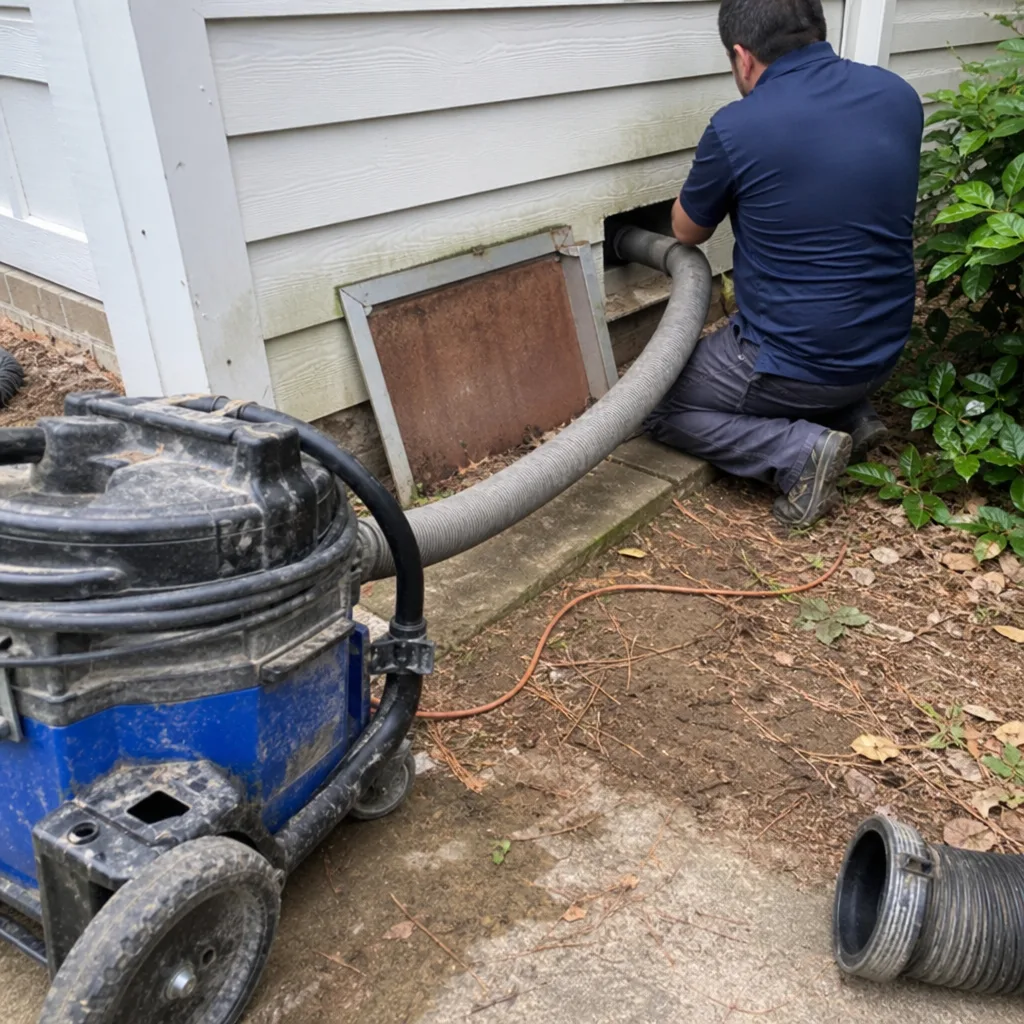 Before
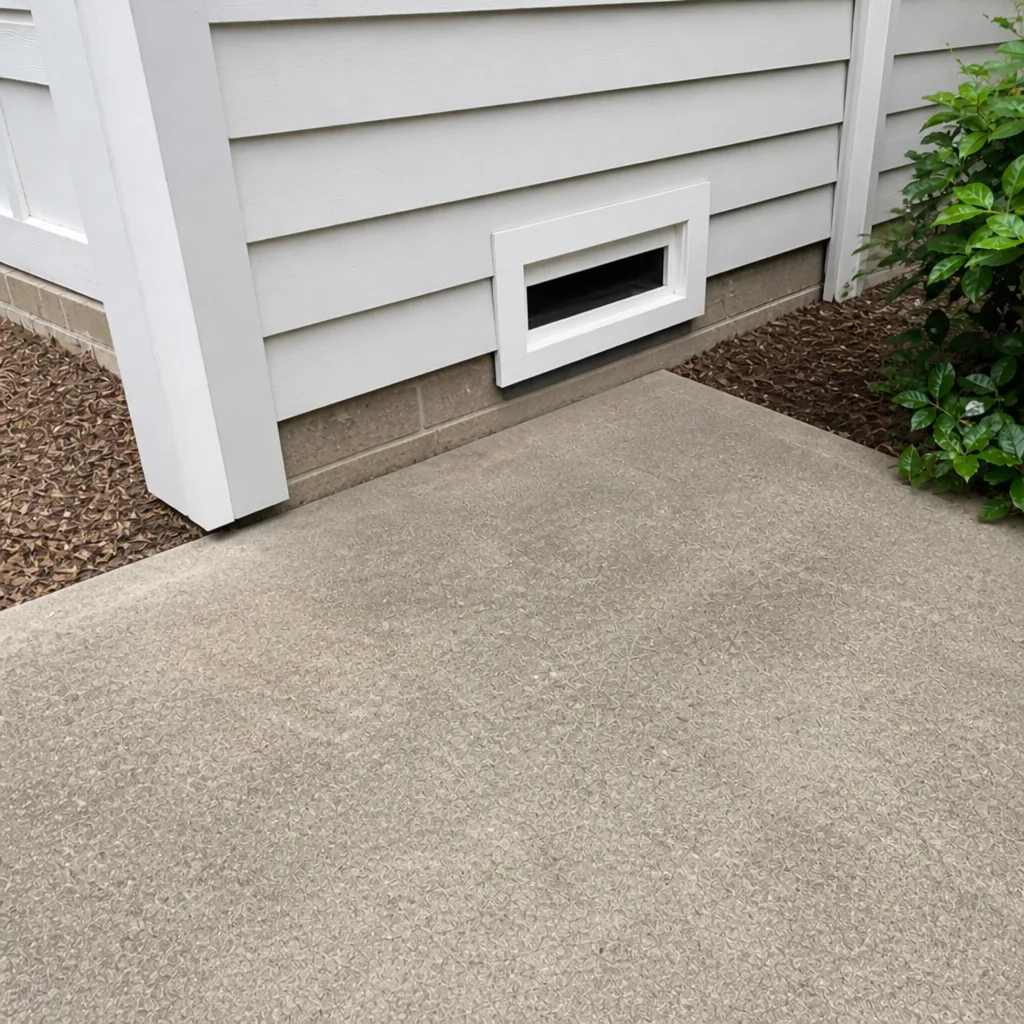 After
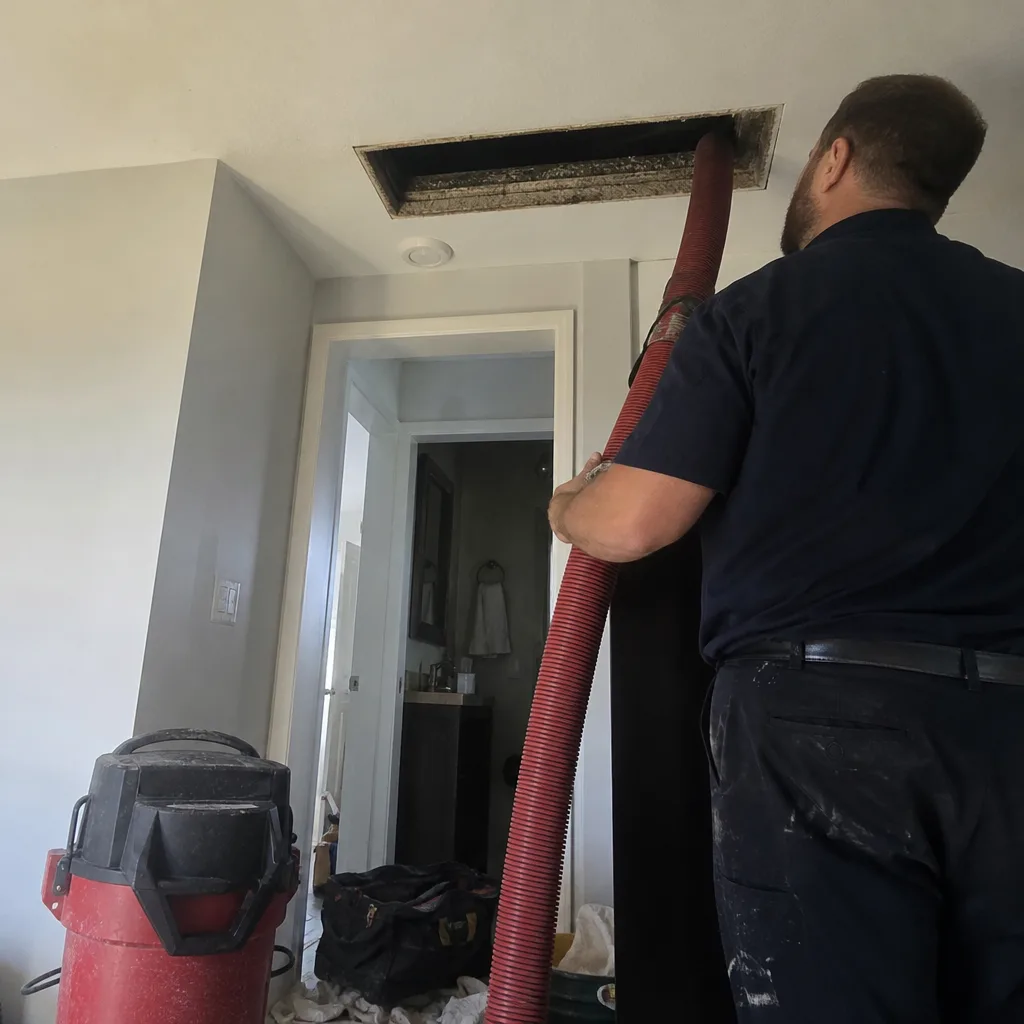 Before
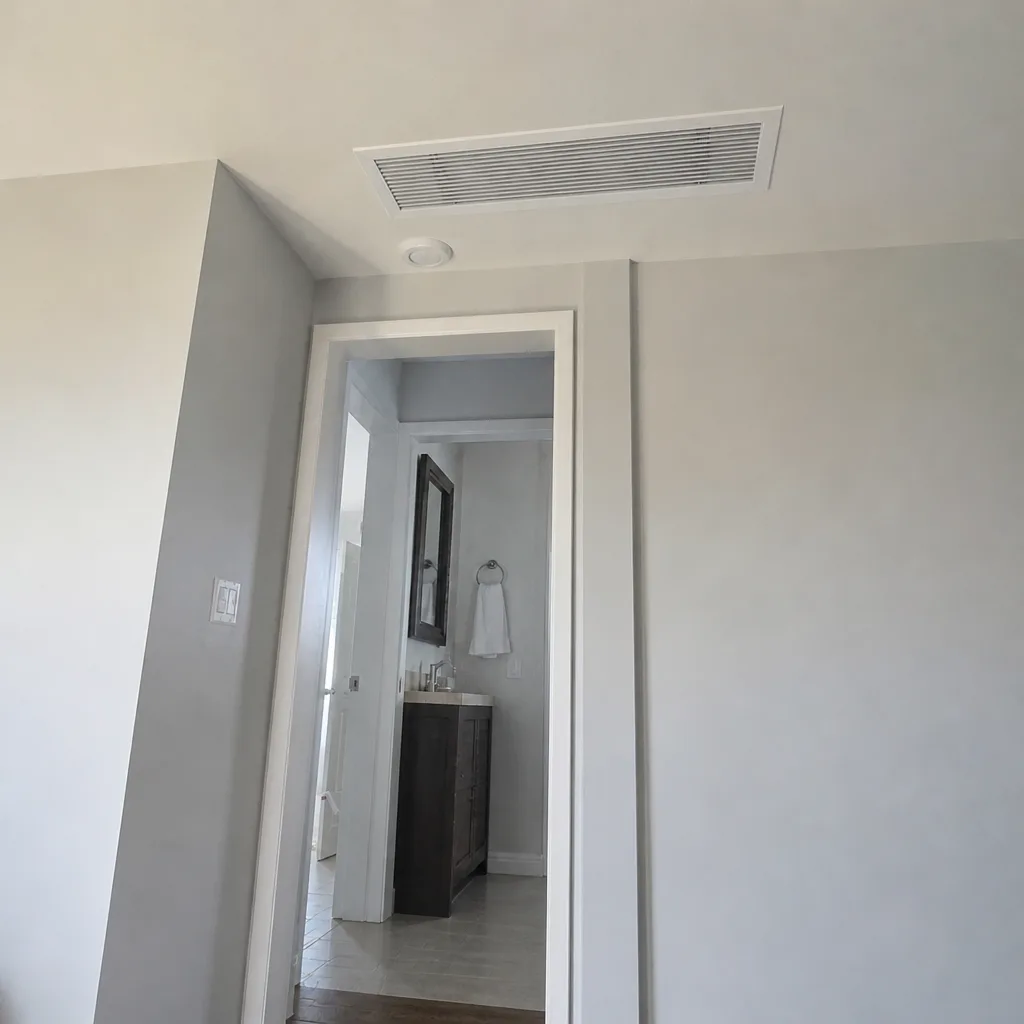 After
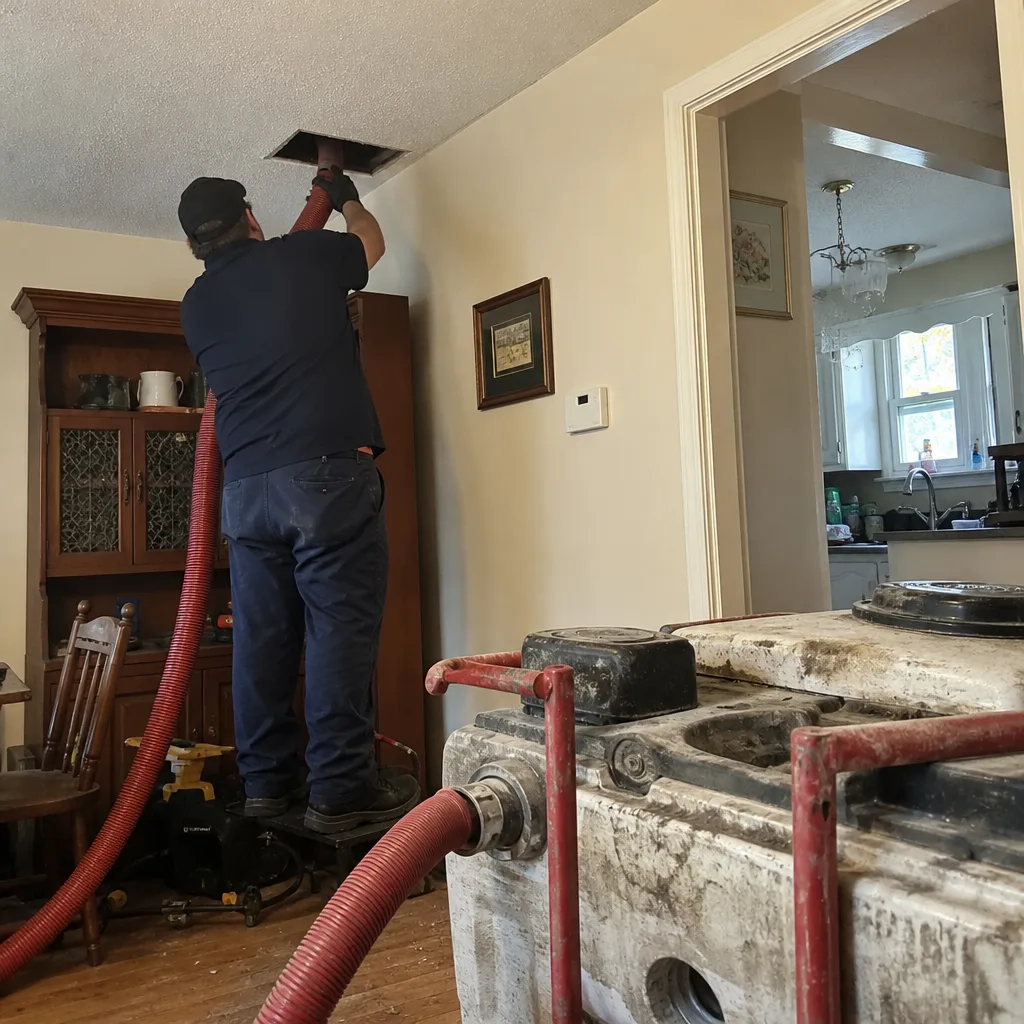 Before
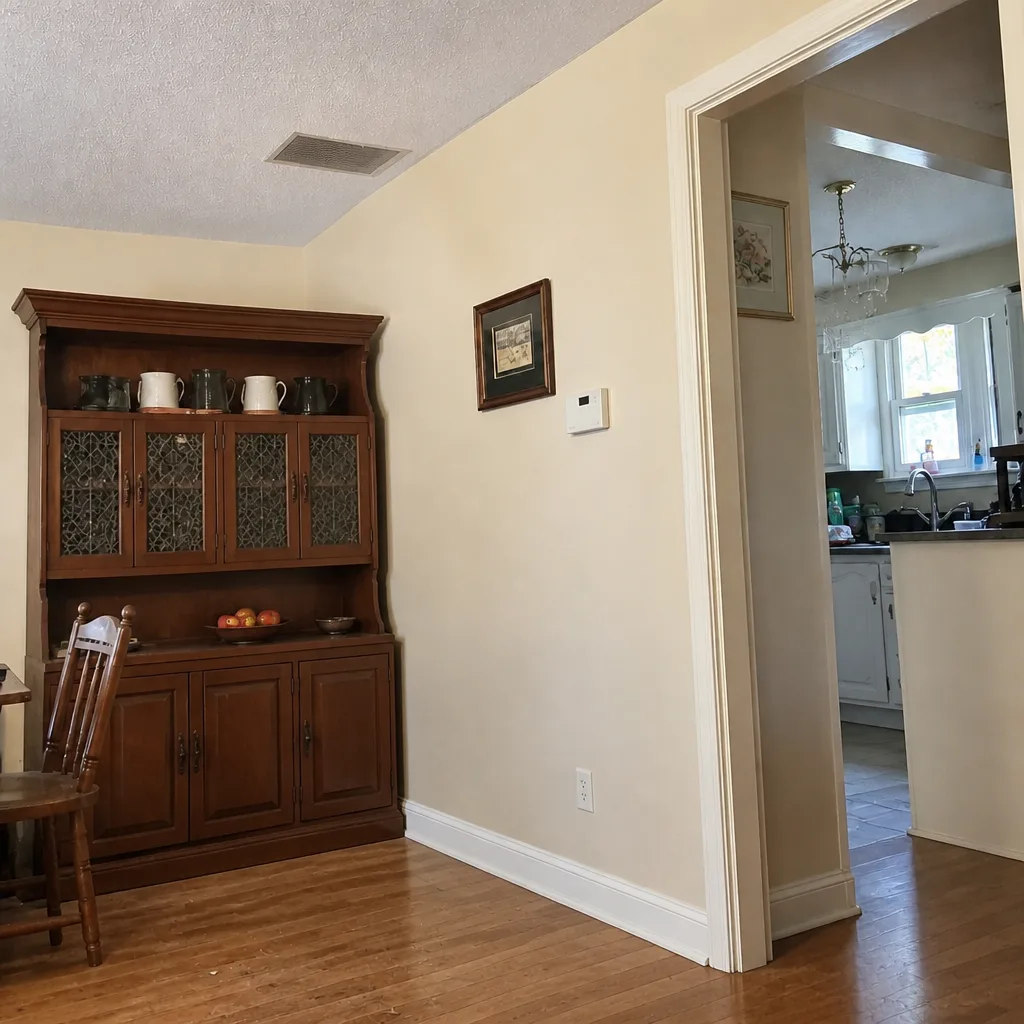 After
When to Call a Professional
Some problems are worth a call sooner than others. Call a professional if you’re seeing visible dust blowing from registers right after a filter change, a musty or stale smell when the system starts, or uneven airflow that leaves some rooms uncomfortable. These point to debris or leaks inside the ductwork that can’t be reached from the register. Call if you’ve had renovations, if the system has sat unused, or if you simply don’t know when it was last cleaned. Duct repair and sealing found during an assessment is another reason to get a professional in, since gaps and disconnected runs waste airflow and pull unfiltered air into the house. Air Duct Cleaning Five Points offers free estimates in Five Points: call (877) 523-6180. We answer 24/7. Fast dispatch from 7am to 7pm, Sunday through Friday.
Frequently Asked Questions
We price per system, not per vent. The exact number depends on the size and layout of your home, how many runs you have, and whether repairs are needed, so the written estimate is what sets the final price. Teaser prices on coupons aren’t real prices. Call (877) 523-6180 for a free estimate specific to your system.
Because they aren’t quoting the same job. A low quote often means a single pass with a portable vacuum, no mechanical agitation, no containment, and no air handler cleaning, with the rest of the price recovered through add-ons once the technician is inside. Compare quotes on equipment and written scope, not on the number alone. Call (877) 523-6180 for an estimate that spells out what’s covered.
Ask for before-and-after photos of your own ducts and a written summary of what was found and done. That’s the deliverable that makes the work verifiable. If a contractor won’t provide either, you have no way to confirm the cleaning happened. Call (877) 523-6180 and we’ll walk you through what you receive after the job.
There’s no fixed schedule that fits every home. Homes in Five Points with pets, recent renovations, smokers, or occupants with allergies tend to benefit from more frequent cleaning, while a tightly sealed system with regular filter changes can go longer. The honest answer is to assess the system rather than pick a number from a calendar. Call (877) 523-6180 to have yours assessed.
Yes. We handle duct repair and sealing in-house, so leaks, gaps, and disconnected sections found during cleaning are fixed on the same visit instead of being referred to a second contractor. That’s one reason we inspect and scope the full pathway before the cleaning starts. Call (877) 523-6180 to book an assessment.
Yes. Our service menu covers air duct cleaning, dryer vent cleaning, HVAC cleaning, air quality and sanitizing, and duct repair and sealing. That means one company can address the whole indoor airflow pathway, from the ducts to the air handling equipment to venting, rather than sending you to separate contractors. Call (877) 523-6180 to talk through what your home needs.
The Bottom Line
Hiring a duct cleaning contractor in Five Points comes down to three questions: what equipment they run, what their written scope covers, and whether they follow a recognized standard like the NADCA ACR. A contractor who answers all three specifically, prices the whole system before work starts, and delivers before-and-after photos of your own ducts is one worth booking. One who leads with a teaser coupon and builds the invoice afterward is not. The process you’re vetting is invisible from the outside, which is exactly why the questions matter. Ask them on the quote call, before anyone enters the house.
Get a Free Estimate in Five Points
If you’d rather have a straight answer than run the framework yourself, call us. Air Duct Cleaning Five Points provides a free estimate for your system, a flat price per system agreed before work starts, before-and-after photos, and a satisfaction guarantee. Our technicians have up to 10 years of experience, and the local pro who does the work is licensed and insured as their state requires. We answer 24/7. Fast dispatch from 7am to 7pm, Sunday through Friday. Call (877) 523-6180 to schedule your estimate.
Written by the team at Air Duct Cleaning Five Points.